





| IN A NUTSHELL |
|
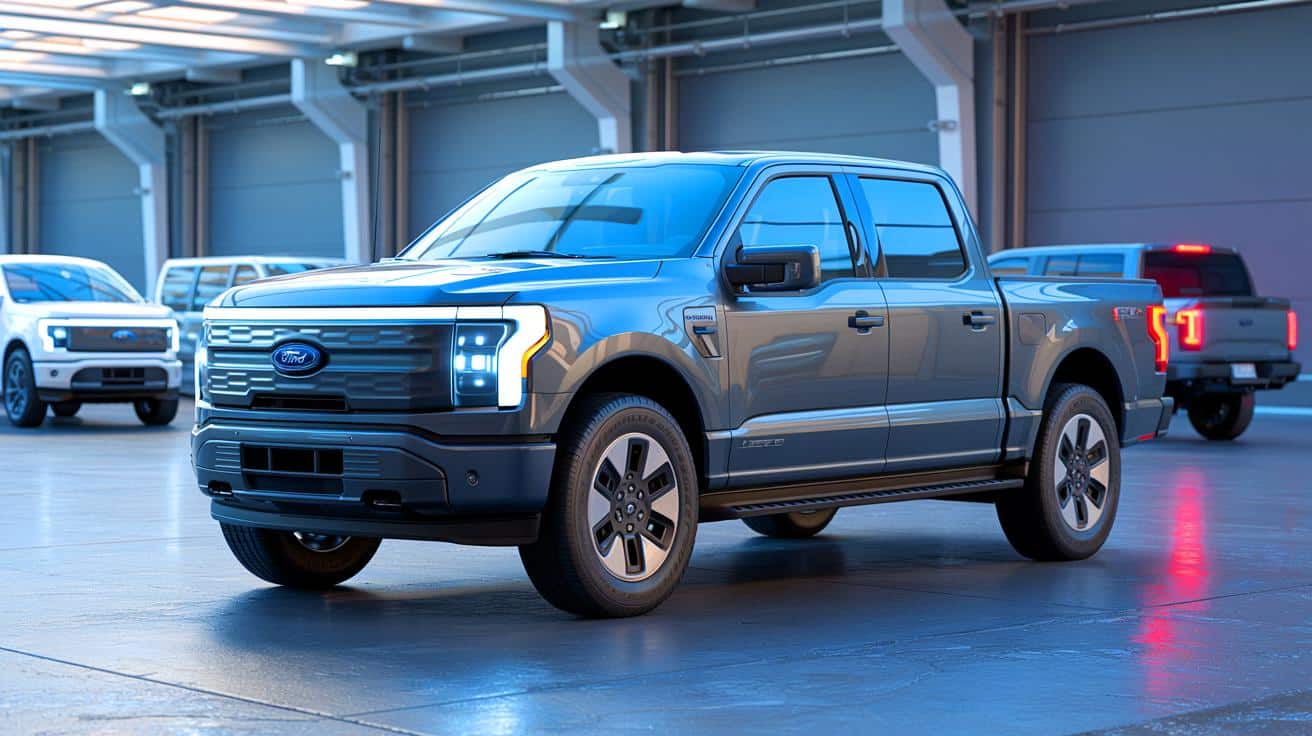
Ford Motor Company has paused production of its all-electric F-150 Lightning at the Rouge Electric Vehicle Center in Dearborn, Michigan. Instead, the company is prioritizing production of its gas and hybrid F-150 and F-Series Super Duty trucks. This shift comes as Ford aims to recover from financial losses linked to a fire at a crucial aluminum supplier’s factory. The decision underscores the ongoing importance of Ford’s traditional vehicles, which remain more profitable and less dependent on aluminum. As the company navigates this challenging period, it highlights both the potential and the hurdles faced by the burgeoning electric vehicle market.
Impact of the Aluminum Supplier Fire
The fire at the Novelis plant in Oswego, New York, has had significant repercussions for Ford’s operations and financial health. The plant, which was severely damaged, is a critical supplier of aluminum for Ford’s vehicles. This disruption has forced the automaker to rethink its production priorities, putting the more profitable gas and hybrid F-Series trucks at the forefront.
According to Ford, the fire will result in a substantial financial hit, costing the company up to $2 billion in earnings in the fourth quarter. This financial strain, coupled with challenges like tariff-related headwinds amounting to $1 billion, has led Ford to adjust its full-year profit guidance for 2025 from $6.5 billion to $6 billion. These adjustments highlight the delicate balance automakers must maintain between innovation and traditional revenue streams.
Electric Vs. Traditional: A Strategic Choice
Despite the growing sales of the F-150 Lightning, the numbers are overshadowed by Ford’s traditional F-Series trucks. In the third quarter alone, Ford sold 10,005 F-150 Lightnings, marking a 39.7% increase year-over-year. However, these numbers pale in comparison to the 207,732 gas-powered F-Series vehicles sold in the same period.
The profitability of traditional trucks remains a significant factor in Ford’s decision to prioritize their production. Gas and hybrid trucks not only require less aluminum but also contribute more significantly to Ford’s bottom line. As the company navigates the aftermath of the Novelis plant fire, this strategic choice underscores the enduring importance of Ford’s traditional vehicle lineup in its financial strategy.
Future Plans and Workforce Adjustments
In response to the production challenges, Ford has outlined plans to increase F-Series production by over 50,000 trucks in 2026. This ramp-up will involve adding a third shift at the Dearborn Truck Plant, creating up to 1,000 new jobs. Such moves are aimed at offsetting the losses incurred from the fire and maintaining the supply of Ford’s most popular vehicles.
Significantly, Ford plans to transfer all hourly employees from the Rouge Electric Vehicle Center to the Dearborn Truck Plant for this additional shift. This workforce reallocation reflects Ford’s commitment to minimizing job losses while adapting to current production needs.
“We have good inventories of the F-150 Lightning and will bring Rouge Electric Vehicle Center back up at the right time,” said Ford spokesperson Ian Thibodeau.
The Road Ahead for Ford’s Electric Vehicles
While Ford’s immediate focus is on its traditional vehicles, the future of its electric lineup remains an important consideration. The F-150 Lightning, despite its current production pause, holds a significant position in the U.S. electric pickup market. Ford’s ability to balance its traditional strengths with the demands of an evolving automotive landscape will be crucial.
As the company works to resume normal production schedules, the restart of Novelis’ hot mill is anticipated by December 2025. This timeline offers a glimpse into when Ford might resume full-scale production of its electric offerings. Meanwhile, the automaker’s strategy will likely continue to involve a mix of gas, hybrid, and electric vehicles to cater to diverse market demands.
Ford’s current production strategy reflects the broader challenges faced by automakers in transitioning to electric vehicles while maintaining profitability. As the industry continues to evolve, the interplay between traditional and electric vehicle production will remain a focal point. How will Ford and other automakers navigate the shifting landscape of consumer preferences and technological advancements in the coming years?


Oh no, not the F-150 Lightning! 😢 What will happen to my dream of owning an electric truck?
Why did Ford choose to halt production now? 🤔
Seems like a step back for electric vehicles. Disappointing! 😞
Why does it always seem like the electric vehicles get the short end of the stick?
Thank you for the insightful article! It really explains the situation well. 😊
Is this the end of the road for the F-150 Lightning?
At least they’re creating 1,000 jobs! That’s something positive, right?
Does anyone know how long this production pause is expected to last?
Does this mean electric trucks aren’t as profitable as we thought?
LOL, I’m not surprised. Gas trucks are still king. 😂
Wow, $2 billion in losses! That’s a hefty price for a fire. 🔥
This is a smart move by Ford. Profitability should come first.
How will this affect the resale value of the F-150 Lightning?
Ford really needs to step up its game in the electric market if they want to compete.
I hope this doesn’t mean job losses for the workers. 😟