





| IN A NUTSHELL |
|
Meta’s recent commitment to solar power reflects a growing trend among tech giants to embrace renewable energy. With the announcement of three new deals to secure nearly 1 gigawatt of solar capacity, Meta is taking significant steps to support its ambitious AI goals. This move raises the company’s total solar purchases to over 3 gigawatts this year alone. As the demand for data centers continues to surge, tech companies are increasingly turning to solar energy, which offers a cost-effective and rapidly deployable solution. However, the use of renewable energy certificates by companies like Meta has sparked debates over their true environmental impact.
Meta’s Strategic Solar Purchases
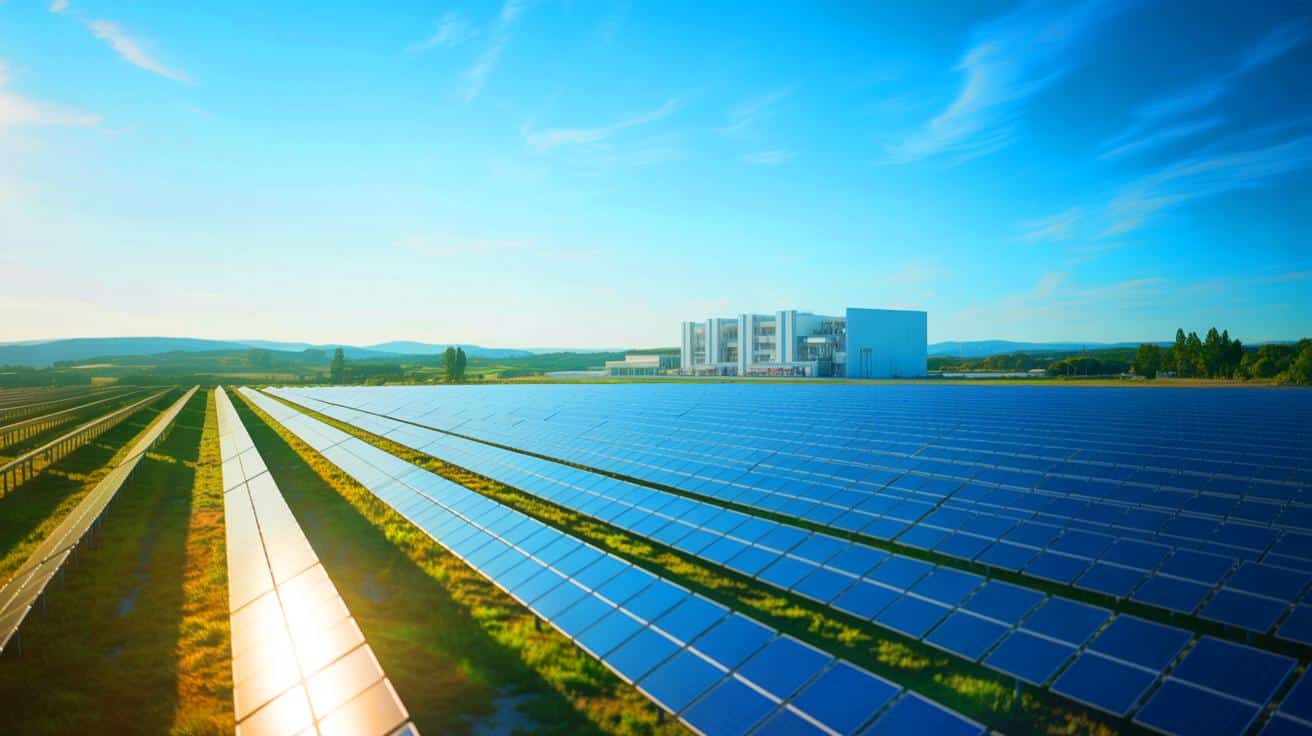
This week, Meta announced three significant agreements aimed at bolstering its renewable energy portfolio. The deals involve nearly 1 gigawatt of solar capacity, underscoring the company’s commitment to sustainable power solutions. Among these, two contracts in Louisiana will see Meta acquiring the environmental attributes of 385 megawatts of electricity. These projects are scheduled for completion in two years. Additionally, a larger agreement in Texas involves purchasing 600 megawatts from a substantial solar farm near Lubbock. This project is set to commence operations in 2027, contributing to the local grid and indirectly offsetting Meta’s data center consumption.
Meta’s strategy involves leveraging environmental attribute certificates (EACs), allowing the company to claim renewable energy use despite indirect connections to its facilities. However, this approach has drawn scrutiny from experts who question the effectiveness of EACs in genuinely reducing carbon footprints. As AI technologies drive increased electricity demands, Meta’s solar investments highlight the broader industry shift towards sustainable energy sources.
The Rise of Renewable Energy in Tech
The tech industry’s rapid expansion has brought with it an insatiable appetite for energy. As companies like Meta strive to accommodate growing data center fleets, they are increasingly turning to renewables. Solar power, in particular, has emerged as a favored solution due to its affordability and swift deployment capabilities. The falling costs of solar installations have further enhanced its appeal, often undercutting traditional fossil fuel sources. Meta’s recent agreements reflect this broader trend, as tech giants seek to align their operations with sustainability goals.
While the adoption of solar energy is commendable, the reliance on EACs has raised concerns. Initially introduced to offset the higher costs of renewables, EACs allowed companies to purchase renewable attributes separately from the actual power. However, as the cost of new solar and wind projects has plummeted, the effectiveness of EACs in driving additional renewable capacity is questioned. Industry experts argue that true sustainability requires companies to actively promote the construction of new renewable facilities rather than relying solely on certificates.
Environmental Attribute Certificates: A Double-Edged Sword
Environmental attribute certificates have been a cornerstone of corporate sustainability strategies for years. Initially, they provided a means for companies to support renewable energy projects financially. By purchasing EACs, companies could offset their carbon emissions while incentivizing developers to invest in renewables. However, the landscape has shifted dramatically since the introduction of EACs. The cost of solar and wind energy has decreased substantially, sometimes even outcompeting fossil fuels.
Despite this progress, the reliance on EACs has sparked debate. Critics argue that these certificates can mask the true environmental impact of corporate operations. As AI drives up electricity consumption, companies like Meta must consider whether their reliance on EACs is sufficient. To genuinely offset new energy demands, experts suggest that companies should prioritize investments in new renewable capacity. The challenge lies in finding a balance between financial efficiency and genuine environmental stewardship.
Future Implications for Renewable Energy Adoption
Meta’s recent solar purchases underscore a larger narrative within the tech industry: the pursuit of sustainable energy solutions is becoming increasingly urgent. As companies expand their digital infrastructures, the demand for electricity continues to rise. Solar energy offers a promising path forward, aligning with both environmental goals and economic considerations. However, the effectiveness of EACs in driving meaningful change remains a contentious issue.
Looking ahead, tech companies face a pivotal decision. Will they continue to rely on certificates to meet their sustainability targets, or will they take proactive steps to stimulate additional renewable capacity? The answer to this question will shape the industry’s environmental impact for years to come. As the world grapples with the challenges of climate change, the role of renewable energy in powering our digital future becomes ever more critical.
As Meta and other tech giants navigate the complexities of renewable energy adoption, the question remains: How can they ensure that their sustainability efforts genuinely contribute to a greener future? The answer could redefine the industry’s approach to environmental responsibility.



Wow, 1 gigawatt of solar power! Meta is really stepping up their game in renewable energy. 🌞
Bravo Meta pour cette initiative ! 🌞 J’espère que d’autres suivront cet exemple.
Est-ce que l’investissement dans l’énergie solaire est vraiment durable si on utilise des certificats environnementaux ? 🤔
Does anyone know if these projects will create local jobs in Louisiana and Texas?
Les coûts d’installation du solaire baissent, mais combien de temps avant que ça ne devienne la norme pour tous ?
Using environmental attribute certificates sounds a bit like greenwashing to me. 🤔
Merci Meta, c’est un pas dans la bonne direction. 🌍
Je suis curieux de savoir comment les EACs fonctionnent réellement. Quelqu’un peut expliquer ?
Enfin une grande entreprise qui prend le changement climatique au sérieux! Bravo Meta!
Meta investit dans le solaire, mais quid de l’impact environnemental actuel de ses data centers ?
Why wait until 2027 for the Texas project to start? Seems too long!
Est-ce que d’autres grandes entreprises technologiques suivront l’exemple de Meta ?