




| IN A NUTSHELL |
|
Nigel Morris, a pivotal figure in consumer finance, has voiced his concerns about the current economic landscape, particularly the rise of buy-now-pay-later (BNPL) services. Once targeting luxury purchases, BNPL is now used for essentials like groceries, indicating deeper financial struggles among Americans. This shift raises questions about the sustainability of this model and its impact on the broader economy. As the co-founder of Capital One and an early investor in BNPL companies, Morris’s insights carry weight. He highlights the invisibility of BNPL debts due to non-reporting to credit bureaus, creating “phantom debt” that obscures the true financial picture.
The Rise of Buy-Now-Pay-Later Services
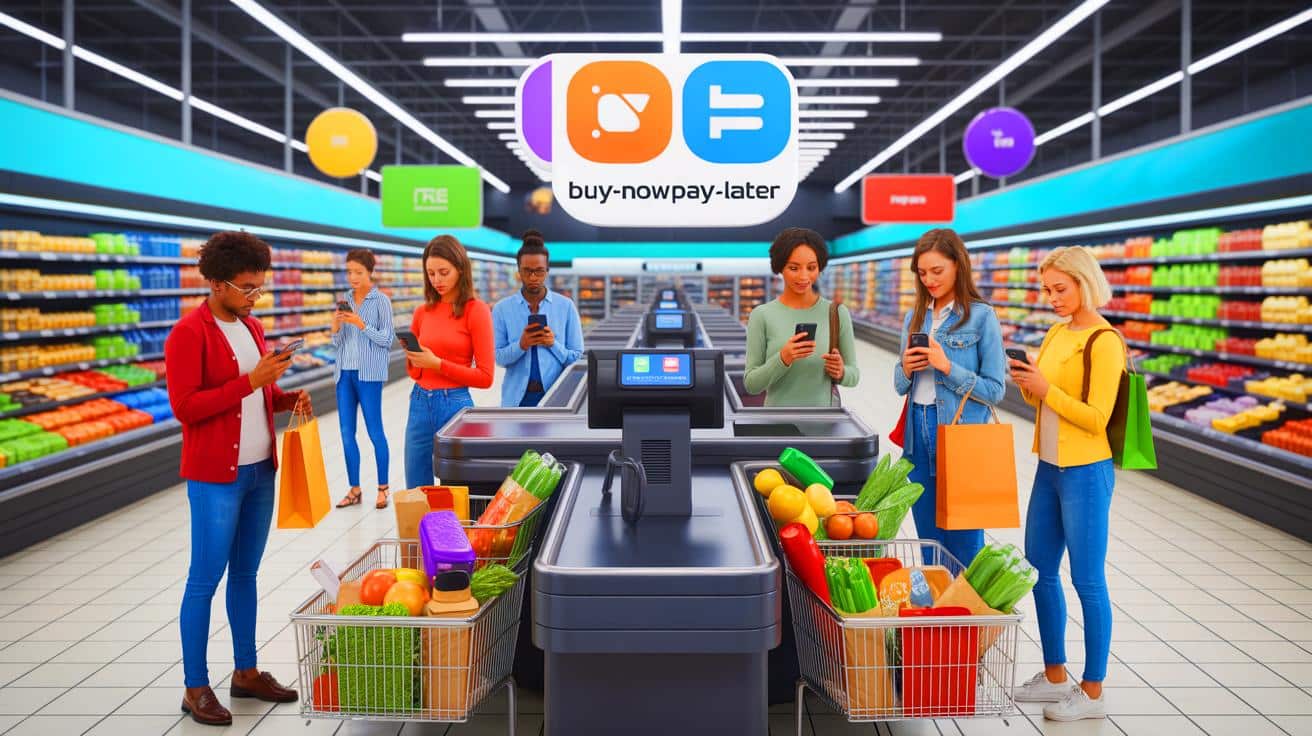
Buy-now-pay-later services have rapidly gained traction in the United States, with a staggering 91.5 million users. Initially marketed for discretionary purchases, these services are now used for everyday essentials. According to a Lending Tree survey, 25% of users finance groceries through BNPL. This trend is concerning, as it reflects financial strains among consumers.
BNPL’s popularity is partly driven by its convenience and the lack of upfront interest charges. However, the ease of obtaining multiple loans can lead to financial difficulties. In fact, default rates are rising, with 42% of BNPL users making at least one late payment in 2025, up from previous years. The growth of BNPL mirrors the conditions preceding the 2008 mortgage crisis, yet remains largely invisible due to non-reporting practices.
Regulatory Challenges and Market Impact
The BNPL market faces significant regulatory challenges. Under the Biden administration, efforts were made to regulate BNPL transactions like credit cards, but these efforts were rolled back under the Trump administration. The Consumer Financial Protection Bureau (CFPB) has struggled to enforce regulations, resulting in a patchwork of state-level rules.
This regulatory ambiguity benefits BNPL companies, allowing them to operate with minimal oversight. Additionally, the lack of reporting to credit bureaus means that successful repayment does not improve a borrower’s credit score. This dynamic keeps consumers within the BNPL ecosystem, limiting their ability to access lower-cost credit options.
The Broader Economic Implications
BNPL’s impact extends beyond individual consumers. The Federal Reserve Bank of Richmond warns of potential systemic risks from BNPL’s “spillover effects onto other consumer credit products.” As BNPL loans are typically smaller than other debts, borrowers prioritize them, risking delinquency on larger loans like credit cards and mortgages.
Moreover, the end of the student loan payment moratorium and rising unemployment contribute to financial stress. The combination of these factors creates a precarious situation. Nigel Morris, with his extensive experience in the financial sector, emphasizes the need for vigilance. He points to unemployment rising to 4.3% and the economic uncertainties surrounding tariffs and immigration as additional pressures on consumers.
Important Factors to Consider Before Opening a Live Trading Account
Consumer Responsibility and Ethical Lending
Morris raises ethical concerns regarding BNPL’s role in consumer lending. As a former pioneer of subprime lending, he questions whether BNPL companies are helping underbanked populations or enabling financial distress. He references “the mom test,” a principle from his Capital One days, to evaluate the ethics of offering financial products.
BNPL companies often do not report to credit bureaus, making it difficult for borrowers to improve their credit scores through successful repayment. This business model raises ethical questions about the long-term impact on consumers. As BNPL becomes embedded in financial systems, these concerns become more pressing.
The rapid expansion of buy-now-pay-later services reflects a shift in consumer behavior and economic conditions. While these services offer convenience, they also pose risks to both borrowers and the broader financial system. The lack of regulation and transparency creates an environment where financial distress can grow unnoticed. As the BNPL market continues to evolve, the question remains: will regulators address these challenges before they escalate into a larger crisis? The future of consumer finance may depend on the actions taken today. How will policymakers balance innovation with consumer protection in this rapidly changing landscape?

Is anyone else worried that BNPL is just another bubble waiting to burst? 😬
Isn’t it just another way to get into debt faster? 🤔
Thank you for shedding light on this issue. I’ve always wondered about the real impact of BNPL.
Thank you for highlighting the lack of regulation. It’s scary how much goes unseen. 🧐
Doesn’t this sound eerily similar to the 2008 mortgage crisis? 😬
Honestly, who uses BNPL for groceries? Seems a bit extreme to me. 😂
Wait, people are using BNPL for groceries now? That’s wild!
Great article! Can you provide more stats on default rates?
Great insights, but I’m still skeptical. Isn’t this just a modern layaway plan?
Is there any hope for regulation under the current administration?
Why isn’t the CFPB doing more about this?
BNPL needs more oversight. Who’s gonna step up and do something about it?
So tired of financial services exploiting consumers. When will it end?
This is exactly why financial literacy should be taught in schools. 📚
42% default rate?! That’s insane. How is this sustainable?
Didn’t even realize how big BNPL had become. Thanks for the info!