





| IN A NUTSHELL |
|
SpaceX, a leader in private space exploration, is facing significant challenges as it works to advance its Starship program. The ambitious goal of achieving a launch by 2025 is becoming increasingly unlikely. The development of the third version of the Starship rocket and the transition to a new launch pad have created hurdles that could delay the timeline. These factors, combined with technical and regulatory challenges, suggest that the program may not see major milestones until 2026. This article explores the current status of the Starship program, the obstacles it faces, and what the future might hold for SpaceX and its vision for space travel.
Starship Version 3 Yet to Undergo Testing
The third version of SpaceX’s Starship is poised to be a game-changer in space exploration. However, it has not yet undergone any flight tests. This version introduces a new third-generation Super Heavy booster and an updated upper stage, demanding rigorous testing. Despite the anticipation surrounding this development, no static tests have been conducted with these new components. This is a crucial step, as each hardware upgrade requires thorough engine tests, assembly checks, and system validations before proceeding to flight.
Shana Diez, the Director of Flight Reliability at SpaceX, has candidly stated that the company is aiming to make 2026 a memorable year for Starship. Her comments underscore the reality that the necessary conditions for a successful launch are not in place for 2025. The complexity and scale of Starship’s development mean that patience and precision are necessary to ensure safety and success in future missions.
Transition to a New Launch Pad Slows Progress
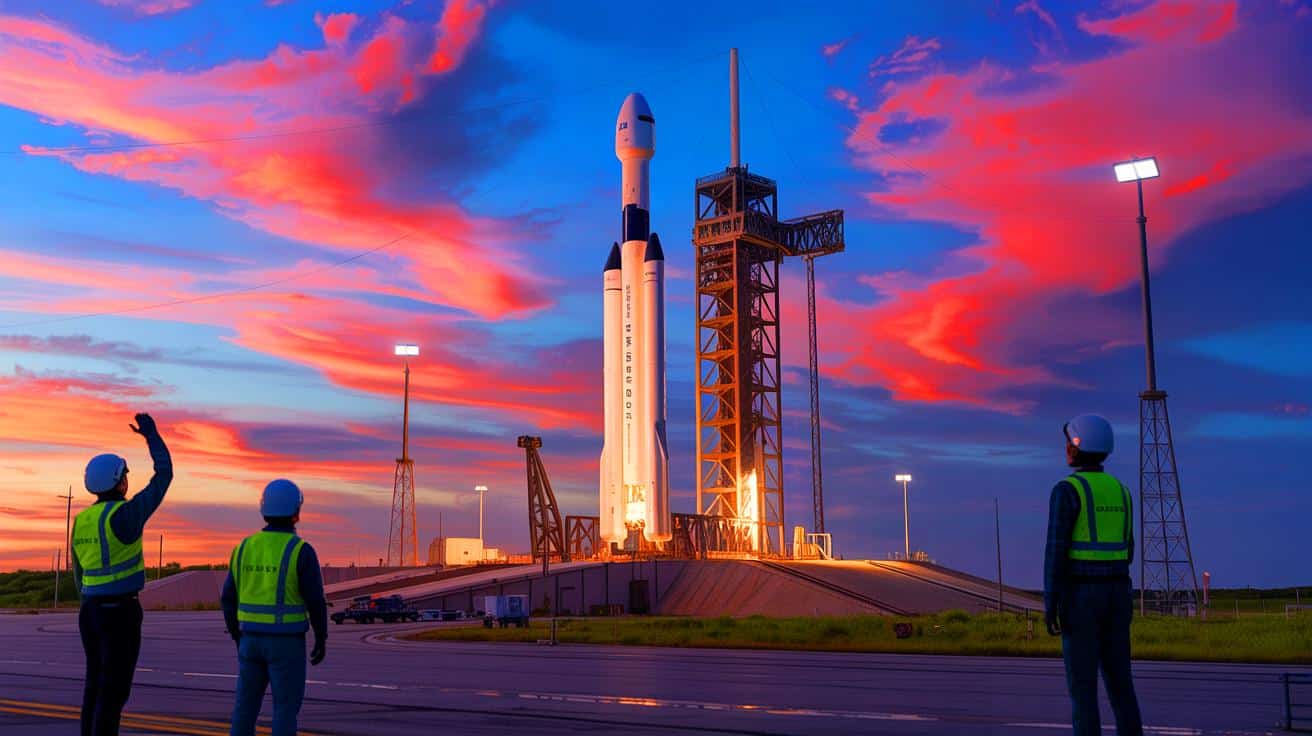
Another significant factor contributing to potential delays is the shift from the historic launch pad 1 at Boca Chica, Texas, to a new pad. The eleventh Starship flight in October marked the end of pad 1’s operational use. However, its successor, pad 2, is still under construction, as recent imagery from NASA Spaceflight shows ongoing work as of late September.
Without a fully operational launch pad, scheduling a launch becomes a daunting task. The completion of installations, safety checks, and logistical coordination, including transportation and assembly, are all critical steps. These factors indicate that the twelfth flight of Starship is more likely to occur in early 2026. The transition to pad 2 is a necessary step for the program’s future, but it also highlights the challenges of advancing space infrastructure.
Progress in 2025 Despite Setbacks
While 2025 may not see the grand achievements initially hoped for, it has been a year of progress for SpaceX’s Starship program. Five test flights over ten months demonstrate an active pursuit of advancements. The progression from failed attempts in flights seven to nine to partial successes in flights ten and eleven indicates a learning curve that is being navigated with perseverance.
The giant launcher has shown improvements in reliability, though it is still far from achieving regular service. Each launch acts as a large-scale test, and any evolution within the system introduces new risks. With the third-generation launcher, SpaceX is entering a new phase. The focus shifts from validating concepts to proving that Starship can successfully fly, return, and recover its components, setting the stage for future lunar or interplanetary missions.
The 2026 Gamble: A Pivotal Year for SpaceX
As 2025 concludes a phase of experimentation, 2026 is projected to be a significant year for the Starship program. Success hinges on the rapid completion of ground tests, the operational readiness of pad 2, and obtaining all necessary regulatory approvals. The timeline is tight, and the pressure is high, especially with NASA relying on SpaceX for the Artemis program, which aims to return humans to the Moon.
Starship is envisioned as the key vehicle for this initiative. To meet these expectations, SpaceX must transform its prototypes into operational rockets, ready for missions. This transformation will require time, but the potential rewards are immense. The coming year may be critical in determining the future trajectory of SpaceX’s space exploration efforts.
As SpaceX continues to navigate the complexities of developing its Starship program, the coming months will be crucial in determining the timeline for future launches. The challenges of testing new technology and building infrastructure are significant, but they are part of the path to groundbreaking advancements in space travel. As the company works toward its ambitious goals, the question remains: Can SpaceX overcome these obstacles to redefine the future of space exploration?
Wow, ça fait longtemps 2026 ! Espérons qu’ils y arrivent plus tôt. 🚀
Do you think SpaceX will overcome these obstacles before 2026?
Wow, that’s a bummer! I was really looking forward to seeing the launch next year. 😞
Pourquoi est-ce si difficile de construire un nouveau pad de lancement ? 🤔
Why is there such a delay in building the new launch pad? Seems like they should have planned better.
Quel impact cela aura-t-il sur les missions de la NASA ?
Space exploration isn’t easy! Keep pushing, SpaceX! 🚀
Je suis sûr que SpaceX va trouver une solution, ils l’ont toujours fait !
Is the delay going to affect funding from NASA for the Artemis program?
C’est décevant, mais je comprends que la sécurité doit passer en premier.
Patience is key in space travel. Better late and successful than early and failed!
J’ai hâte de voir Starship décoller enfin ! Ça va être épique !
I’m sure Elon Musk has a plan up his sleeve. 😉
How much will these delays cost SpaceX financially?
Sera-t-il possible de compenser ce retard par des avancées technologiques ?