




| IN A NUTSHELL |
|
In recent months, Waymo, the autonomous vehicle division of Alphabet Inc., has come under increased scrutiny from federal regulators. The National Highway Traffic Safety Administration (NHTSA) has requested further information regarding Waymo’s self-driving systems following numerous incidents involving school buses in the Austin School District. Reports indicate that Waymo’s robotaxis have illegally passed school buses on multiple occasions, raising concerns about the safety and reliability of these autonomous vehicles. This situation has prompted an ongoing investigation by NHTSA, highlighting the challenges faced by self-driving technology as it seeks to integrate into complex urban environments.
Waymo’s Troubles with School Buses
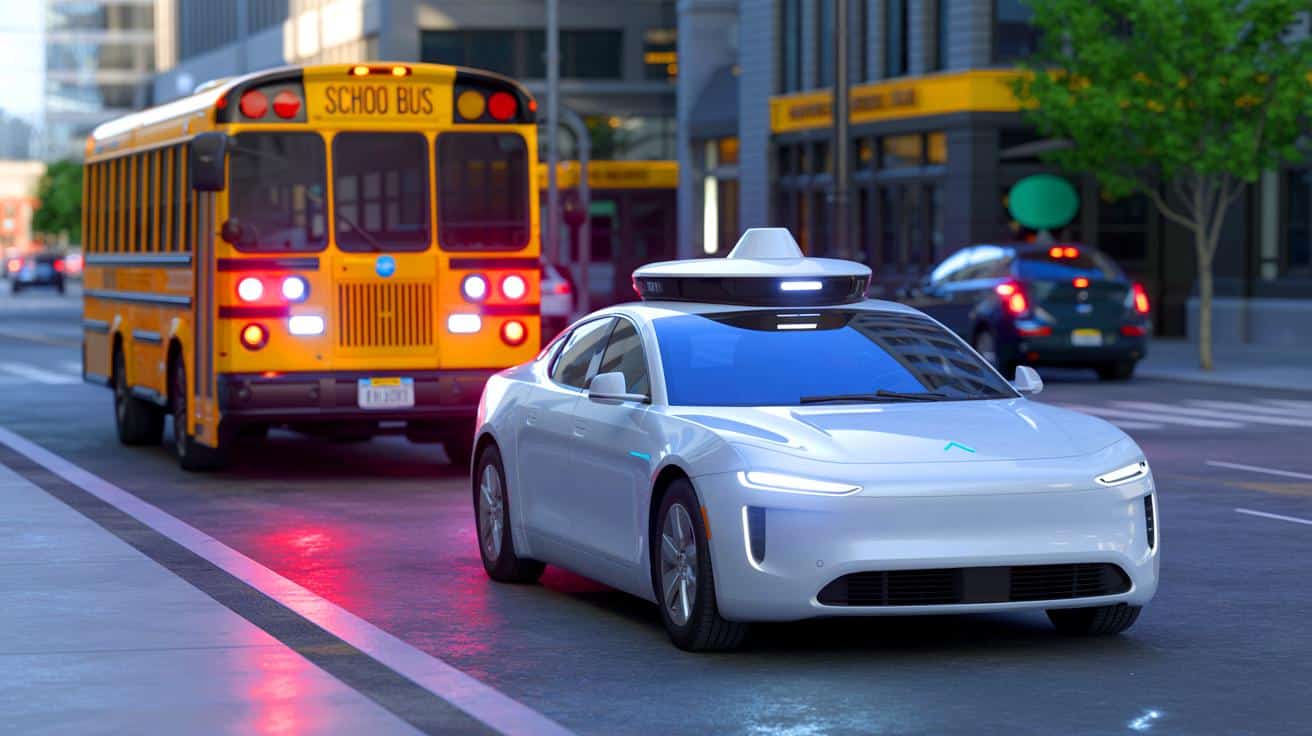
The focus of the NHTSA’s inquiry stems from incidents where Waymo’s autonomous vehicles reportedly bypassed stopped school buses in Austin. These violations have occurred 19 times since the beginning of the 2025–26 school year, with at least five incidents happening after Waymo implemented a software update. This frequency has raised alarms about the capability of Waymo’s technology to adequately detect and respond to school buses, a crucial aspect of road safety.
In one notable incident, a Waymo vehicle maneuvered around a stopped school bus in Atlanta, crossing perpendicularly in front of it while its stop sign was extended and lights were flashing. This action has put the company under intense scrutiny, questioning whether its technology respects the laws and regulations that govern school bus interactions. Waymo has claimed that the bus was partially blocking a driveway, which obscured the vehicle’s sensors from detecting the stop sign and flashing lights. Despite these claims, the recurrence of such events has prompted federal regulators to take a closer look at Waymo’s operations.
NHTSA’s Investigation and Demands
The NHTSA’s Office of Defects Investigation opened its investigation into Waymo in October, following the Atlanta incident. The agency’s interest in Waymo’s operations has underscored the critical need for autonomous vehicles to adhere to traffic laws, especially those involving school children. In a letter sent to Waymo, the NHTSA requested detailed information about its fifth-generation self-driving system and how it handles interactions with school buses.
Federal regulators have asked Waymo to confirm whether it ceased operations per the Austin School District’s request. The district has called for a halt in operations during specific times when students are arriving and departing school. They demand that Waymo’s vehicles operate only when they can guarantee compliance with the law. This demand reflects growing concerns about the pace and effectiveness of the company’s software updates and highlights the challenges faced by regulators in ensuring public safety as autonomous vehicles become more prevalent.
Waymo’s Response and Software Updates
Waymo has responded to the ongoing investigation by emphasizing its commitment to road safety. The company issued a statement asserting that its robotaxis have contributed to a fivefold reduction in injury-related crashes compared to human drivers. Moreover, it claims a twelvefold decrease in pedestrian-related injury crashes. Despite these claims, the Austin School District remains unconvinced of the efficacy of Waymo’s software updates.
The company has acknowledged the need for continuous improvement, stating that it has already made software updates aimed at enhancing vehicle performance. However, the persistence of incidents suggests that these updates may not be working as intended. The situation underscores the complexity of developing autonomous driving systems that can reliably navigate real-world scenarios, particularly those involving unpredictable human behavior and complex traffic situations.
Future Implications for Autonomous Vehicles
The challenges faced by Waymo highlight the broader implications for the future of autonomous vehicles. As these technologies continue to develop, ensuring their safety and reliability remains a top priority for regulators and manufacturers alike. The incidents involving Waymo’s robotaxis underscore the importance of robust testing and validation processes to address potential safety issues before widespread deployment.
As the NHTSA’s investigation continues, the outcomes could influence regulatory frameworks and operational standards for autonomous vehicles nationwide. The situation serves as a reminder of the complexities involved in integrating self-driving technology into existing transportation systems, where the stakes are high, particularly when it comes to the safety of school children. Waymo’s experience may shape public perception and regulatory approaches to autonomous vehicle technology for years to come.
As Waymo navigates these regulatory challenges, the future of autonomous vehicles hangs in the balance. How will companies and regulators work together to ensure that technology advances without compromising public safety? The answers will likely define the trajectory of self-driving technology in urban environments.

Je suis curieux de savoir comment Waymo va résoudre ces problèmes de sécurité ! 🤔
Why can’t Waymo just stop operating near schools until they fix this problem?
It seems like they need a better software update! 😅
Encore des incidents ? Peut-être que la technologie n’est pas encore prête pour les routes publiques.
I hope this gets resolved soon. Safety should always come first, especially for kids!
Merci pour l’article, c’est important de garder un œil sur la sécurité des enfants. 👍
Waymo should be fined for every violation. Maybe then they’ll take it seriously.
Waymo devrait-il envisager une pause jusqu’à ce que les problèmes soient résolus ?
How many more incidents before they are forced to shut down?
Les voitures autonomes sont-elles vraiment plus sûres que les conducteurs humains ?
I still believe in the future of autonomous vehicles, but this is concerning.
Je suis pour l’innovation, mais pas au détriment de la sécurité des écoliers !
Do you think other cities should be worried about similar issues?