





| IN A NUTSHELL |
|
The tech industry has been a cornerstone of economic growth and innovation, but recent developments in 2025 paint a complex picture. Layoffs have surged, affecting tens of thousands of workers across various companies, from giants like Google and Meta to smaller startups. As businesses increasingly adopt AI and automation, the human cost of these technological advancements is becoming more evident. While some argue these changes are necessary to stay competitive, others worry about the long-term impact on the workforce. Understanding the trajectory of these layoffs is crucial for grasping the broader implications for innovation and economic stability.
Wave of Layoffs in Early 2025
The year 2025 began with unsettling news for the tech workforce, as January alone saw over 2,400 layoffs. This was a precursor to a much larger wave in February, where more than 16,000 jobs were cut. Companies like HP and GrubHub were among those making significant reductions. HP, for instance, announced a restructuring plan that included cutting up to 2,000 jobs, aiming to save $300 million by the end of the fiscal year. GrubHub, on the other hand, laid off 500 employees following its acquisition by Wonder Group.
February’s layoffs were particularly notable for their scale and the diversity of companies affected. Google announced reorganizations within its People Operations and cloud teams, while Autodesk planned to reduce its workforce by 1,350 employees. These early months set a tone of uncertainty and adjustment, as companies grappling with evolving market conditions turned to workforce reductions as a strategy to streamline operations and cut costs.
Mid-Year Cuts Highlight Industry Challenges
The middle of the year saw no respite, with companies continuing to announce layoffs in response to various pressures. In May, Microsoft announced a significant reduction, cutting over 6,500 jobs, which represented about 3% of its global workforce. The layoffs were part of a larger trend affecting many well-known firms, including Amazon, which trimmed 100 positions from its devices and services division.
June brought further contractions, notably at Intel, which laid off 15% to 20% of workers in its Intel Foundry division. These cuts were significant, as they affected a key area of the company’s operations. Rivian also reduced its headcount by 140 employees, primarily impacting its manufacturing team. These moves highlight the broader industry challenges, including supply chain issues and shifts in consumer demand, prompting companies to reassess their workforce needs.
Automation and AI Drive Workforce Reductions
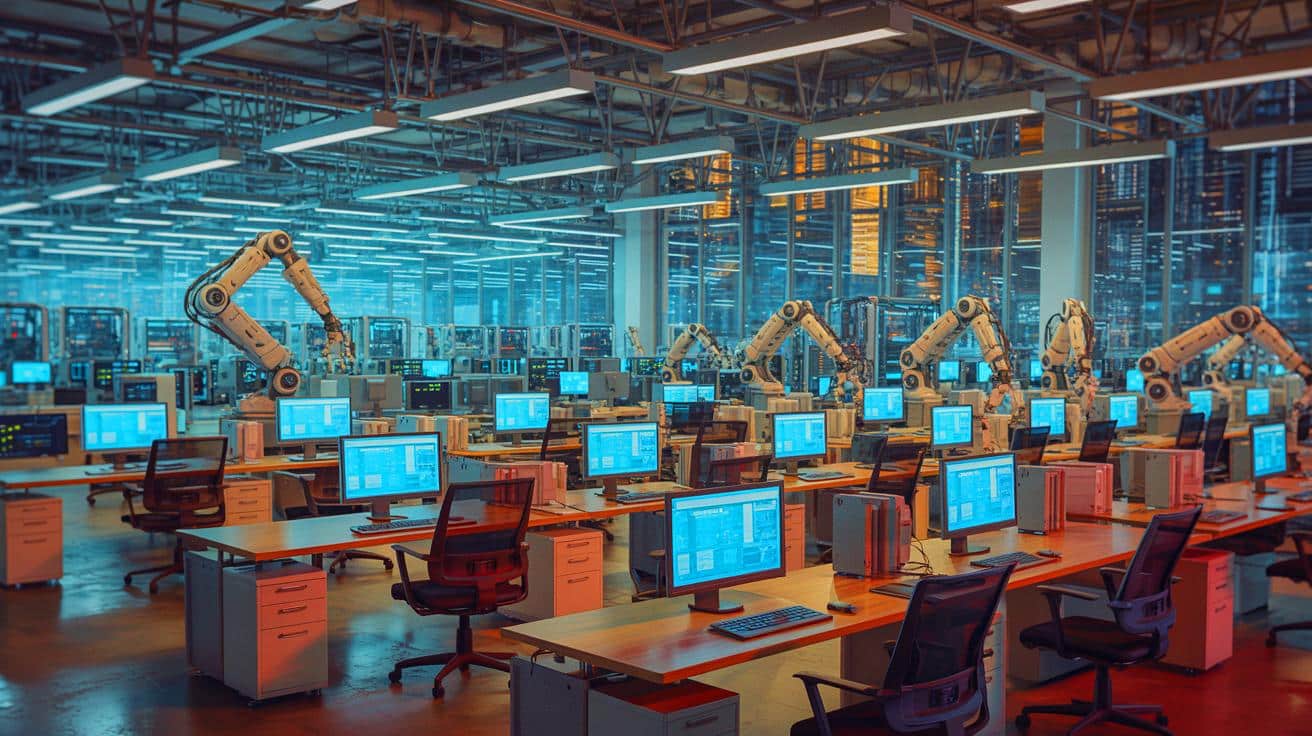
One of the underlying themes of the 2025 tech layoffs is the increasing role of automation and AI in reshaping the workforce. As companies strive for efficiency and cost-effectiveness, many are turning to emerging technologies to streamline operations. This shift has led to significant workforce reductions, as human roles are replaced or augmented by machines.
For instance, Just Eat announced layoffs affecting 450 jobs as it increasingly uses automation and AI to handle service tasks. Similarly, Fiverr cut 250 positions as it aimed to become a leaner, AI-focused company. These examples underscore a growing trend where companies, large and small, are investing in technology at the expense of traditional human roles. While this transition may enhance operational efficiency, it also raises important questions about the future of work and the societal implications of an AI-driven economy.
Impact on Innovation and Economic Stability
The wave of layoffs in 2025 not only affects the workers directly involved but also has broader implications for innovation and economic stability. As companies reduce their workforce, there is a concern about the potential loss of talent and creativity that drives technological advancements. In some cases, layoffs can lead to a brain drain, where skilled workers leave the industry or move to different sectors.
Moreover, the economic impact of such widespread layoffs is significant. With thousands of workers suddenly unemployed, consumer spending can be affected, which in turn influences economic growth. The layoffs also raise questions about the sustainability of current business models in the tech industry, especially as companies pivot towards automation and AI. This shift necessitates a reevaluation of how businesses operate and their role in contributing to a stable and innovative economy.
As we look to the future, the ongoing wave of layoffs in the tech industry presents a complex challenge. While technological advancements promise increased efficiency and growth, they also bring significant human costs. The question remains: How can we balance innovation with the need to support a robust and inclusive workforce? What strategies can businesses, policymakers, and communities adopt to ensure that technological progress does not come at the expense of societal well-being?



Wow, I can’t believe even Google is laying off workers. What’s next? 😮
C’est vraiment triste pour tous ces travailleurs. 😢 Que peut-on faire pour les aider ?
Je me demande si ces licenciements vont vraiment améliorer l’efficacité des entreprises.
Is this the end of the tech boom we’ve all gotten used to? 😕
Merci pour cet article informatif, c’est effrayant de voir comment la technologie change tout.
It’s sad to see so many talented people losing their jobs due to automation.
Pourquoi ne pas réinvestir dans la formation des employés plutôt que de les licencier ?
Je suis curieux de savoir comment l’IA va continuer à transformer le marché du travail.
Has anyone thought about how this will affect innovation in the long run?
Les entreprises doivent penser à l’impact humain, pas seulement aux bénéfices. 😡
These layoffs seem inevitable with the rise of AI. Thanks for the insightful article!
Est-ce que quelqu’un sait si d’autres secteurs sont aussi touchés par les licenciements ?
What industries are hiring these displaced tech workers?
Il est temps que les gouvernements interviennent et protègent les travailleurs !