




| IN A NUTSHELL |
|
The cybersecurity landscape is rapidly evolving, with companies navigating the challenges and opportunities presented by artificial intelligence (AI). Deepwatch, a firm specializing in AI-powered detection and response, recently laid off a significant portion of its workforce in an effort to realign its focus on AI and automation. The layoffs have sparked discussions about the impact of AI on employment within the tech industry. As companies like Deepwatch pivot towards new technologies, questions arise regarding the balance between innovation and job security. This development reflects broader trends in the cybersecurity sector, where several companies have also faced workforce reductions despite financial successes.
Deepwatch’s Strategic Shift Towards AI
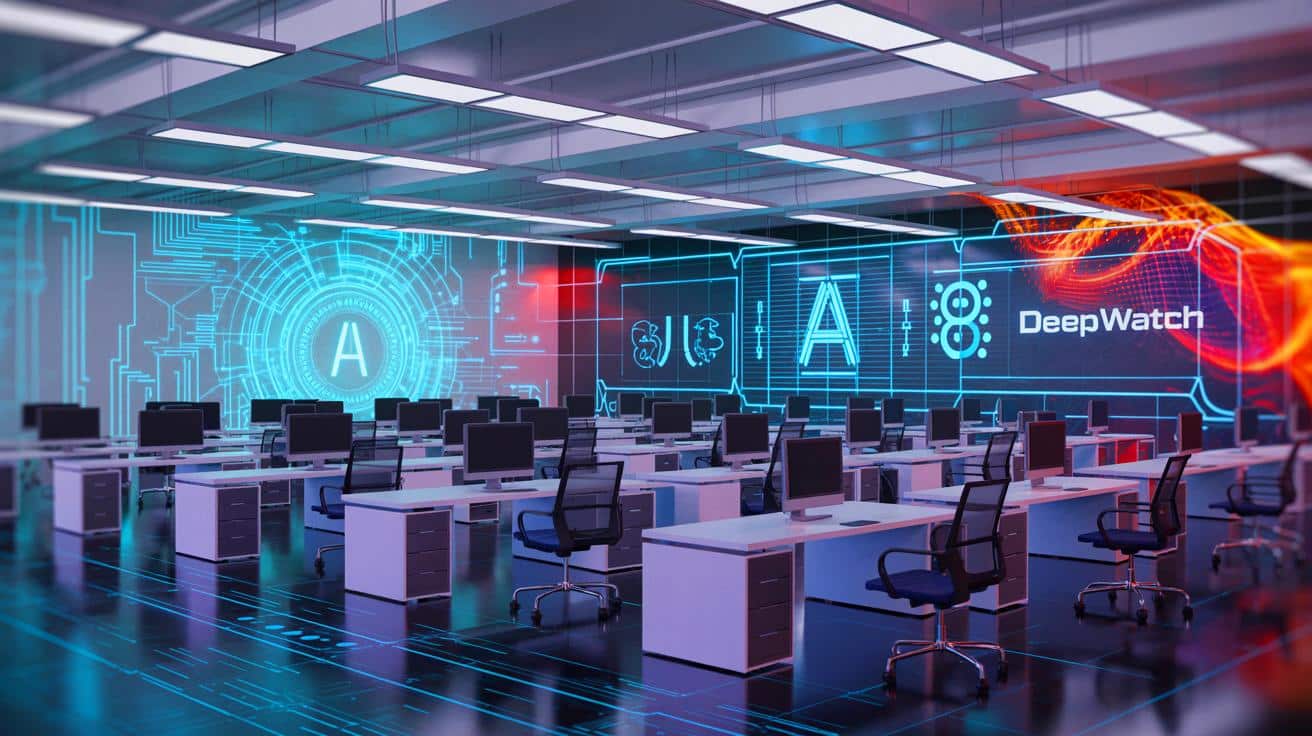
Deepwatch’s recent decision to lay off dozens of employees underscores a strategic pivot towards AI and automation. CEO John DiLullo emphasized the importance of aligning the organization to accelerate investments in these areas. The company’s AI-powered detection and response platform is central to this shift, as it seeks to enhance its cybersecurity offerings. However, the move raises questions about the implications for employees and the broader industry.
The layoffs reportedly affected between 60 and 80 staff members, representing a significant portion of Deepwatch’s 250-person workforce. This decision, while aimed at fostering innovation, highlights the potential human cost of technological advancement. For many, it underscores the tension between maintaining a skilled workforce and the pursuit of cutting-edge solutions.
Reactions and Concerns Among Employees
The layoffs have elicited mixed reactions from current and former Deepwatch employees. Some have expressed skepticism about the company’s motivations, questioning whether the emphasis on AI genuinely necessitates such drastic workforce reductions. A current employee, speaking anonymously, described the situation as somewhat unclear, suggesting that the rationale behind the decision may not be entirely transparent.
Posts from affected employees on LinkedIn further illustrate the human impact of these layoffs. For those laid off, the sudden shift represents not only a professional challenge but also a personal upheaval. The emotional and financial ramifications are significant, prompting discussions about the responsibilities of tech companies in managing such transitions.
Industry-Wide Trends in Cybersecurity
Deepwatch is not alone in its recent workforce reductions. The cybersecurity industry as a whole has seen similar trends, with major companies like CrowdStrike also implementing layoffs. In May, CrowdStrike reduced its staff by around 500 workers, despite a record year for operating cash flow. This paradox of financial success and workforce cuts is becoming increasingly common in the tech sector, reflecting a complex interplay between profitability and strategic innovation.
Other companies such as Deep Instinct, Otorio, and Sophos have also faced workforce reductions this year. These developments suggest a broader industry trend where companies are recalibrating their workforces to align with emerging technologies, particularly AI. The challenge lies in navigating these changes while minimizing the impact on employees.
The Future of Work in Cybersecurity
The intersection of AI and cybersecurity is reshaping the future of work in the industry. As companies like Deepwatch prioritize AI, new roles and skill sets are emerging, presenting opportunities for professionals to adapt and thrive. However, the transition is not without its challenges, as employees must acquire new skills to remain competitive in a rapidly changing landscape.
This evolution raises important questions about the role of companies in facilitating employee transitions. Providing training and development opportunities is crucial in ensuring that the workforce is equipped to handle new technologies. As the industry continues to evolve, maintaining a balance between innovation and job security will be key to sustaining a skilled and motivated workforce.
The recent layoffs at Deepwatch highlight the complexities of integrating AI into the cybersecurity industry. As companies strive to innovate, the impact on employees and the broader workforce cannot be overlooked. This situation prompts a critical question: How can companies effectively balance technological advancement with the need to support and retain their workforce in an era of rapid change?



Are the layoffs really necessary for AI integration, or is it just a cost-cutting measure? 🤔
Is it just me, or does “realigning focus” sound like a corporate buzzword for cutting costs? 🤔
Thanks for the detailed article. It’s a tough situation for those affected by the layoffs.
Really sad to hear about the layoffs. Hope everyone finds new opportunities soon. 🙏
Seems like AI is taking over everything! What’s next, robo-bosses? 🤖
How many more companies will follow this trend before we see a backlash?
AI is the future, but at what cost? Are companies prioritizing tech over people?
How do these layoffs impact Deepwatch’s clients? Any change in service quality?
Why do companies always lay off workers right after reporting financial success? 🤷♂️
It’s a shame that innovation often comes at the expense of jobs. 😔
Does Deepwatch offer any retraining programs for the laid-off employees?
Thnx for the article. This shift in focus is a wake-up call for employees to upskill.
Are we sure AI is the answer to all our problems?
It’s like the tech industry is playing musical chairs, but with people’s jobs. 🪑
Innovation is great, but what about the human cost? Balance is key.
This shift towards AI is exciting, but also a bit scary. Hopefully, the benefits will outweigh the costs.