




| IN A NUTSHELL |
|
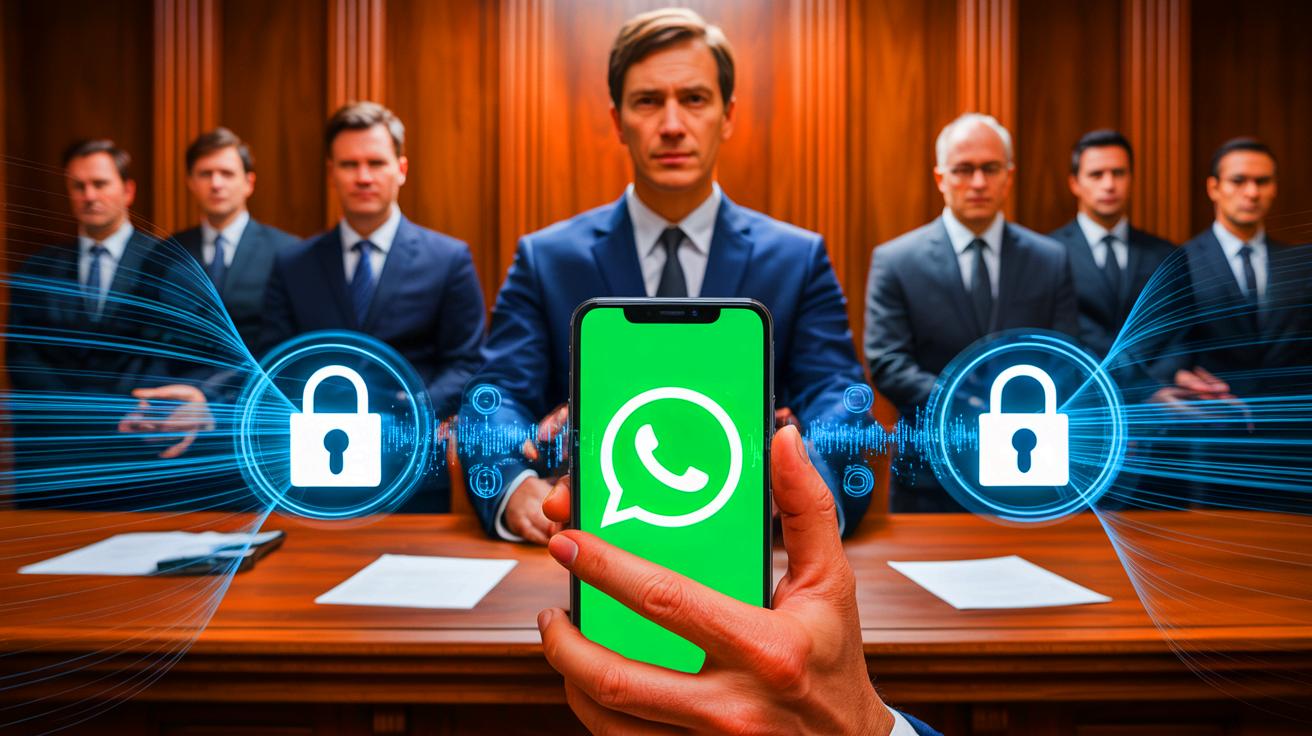
WhatsApp, the world’s leading messaging app, has long been touted for its robust end-to-end encryption, promising users a secure platform for their most intimate conversations and sensitive data. However, recent allegations have cast doubt on this assurance. Former security chief Attaullah Baig has taken legal action against Meta, WhatsApp’s parent company, unveiling what he describes as alarming security flaws within the system. This unfolding drama pits a lone whistleblower against a tech giant, raising significant questions about data privacy and corporate accountability.
Allegations of Systemic Security Failures
In 2021, Attaullah Baig assumed the role of head of security at WhatsApp, a position many would consider a career pinnacle. However, Baig’s experience quickly turned sour. Rather than fortifying a digital fortress, he claims to have uncovered what he calls “systemic cybersecurity failures.” A particularly unsettling revelation from his tenure was a test conducted with Meta’s central security team.
Baig alleges that as many as 1,500 WhatsApp engineers had unrestricted access to user data, including highly sensitive information. This access, he claims, allowed them to move or even extract data without leaving any trace. Such a practice, if true, not only betrays user trust but also potentially violates legal obligations under a 2020 confidentiality agreement with the Federal Trade Commission (FTC). The agreement mandates Meta to rigorously protect user information, and any breach could have severe financial and reputational repercussions for the company.
Despite the gravity of these findings, Baig’s warnings reportedly fell on deaf ears. Attempts to alert his superiors about regulatory risks were allegedly met with criticism and retaliation. According to his timeline, negative feedback on his performance surfaced just three days after his initial cybersecurity disclosures. Such timing, his lawyers argue, raises suspicions about the company’s motives.
Fighting Back: A Whistleblower’s Journey
Unwilling to be silenced, Baig took decisive steps to voice his concerns. In November, he filed a complaint with the U.S. Securities and Exchange Commission (SEC), highlighting the company’s deficiencies. A month later, he addressed a letter to Mark Zuckerberg, urging immediate corrective action. The situation escalated in January when Baig filed another complaint with the Occupational Safety and Health Administration (OSHA) to document alleged retaliatory actions.
These actions set the stage for a legal battle, with Baig determined to pursue justice. His journey underscores the challenges faced by whistleblowers who confront powerful corporations. Despite the personal and professional risks, Baig’s pursuit of transparency reflects a commitment to holding Meta accountable for data protection practices.
The implications of this case could have far-reaching consequences, not only for Meta but for the tech industry at large.
Disputed Dismissal: Performance or Retaliation?
In February, Attaullah Baig was dismissed, ostensibly for “poor performance” amid a broader layoff affecting 5% of the workforce. His legal team contends that the timing of his termination, so closely following his regulatory complaints, indicates a retaliatory motive.
Meta, however, presents a starkly different narrative. A company spokesperson dismissed Baig’s claims as the actions of a disgruntled former employee, stating:
Unfortunately, it’s a familiar scenario where a former employee is dismissed for poor performance and then makes distorted claims that misrepresent the hard work and ongoing efforts of our team. Security is a contentious field, and we pride ourselves on our strong track record in protecting people’s privacy.
https://www.rudebaguette.com/en/2025/07/chinese-cyberattack-on-us-nuclear-agency-ignites-political-firestorm-as-microsoft-security-hole-triggers-wave-of-accusations-and-panic/
The legal proceedings will ultimately determine the veracity of these competing narratives. For now, Baig’s decision to exhaust administrative avenues before pursuing legal action underscores his resolve.
This case has already drawn significant attention and threatens to further tarnish Meta’s image regarding data privacy.
Implications for Data Privacy and Corporate Responsibility
This legal battle raises broader questions about data privacy and corporate responsibility in the digital age. If Baig’s allegations hold true, they expose vulnerabilities in a platform used by billions worldwide. The case also highlights the potential risks of granting extensive access to user data, even within a trusted organization.
Meta’s response and subsequent actions will be closely scrutinized, as the company navigates legal, regulatory, and public relations challenges. The outcome of this case could prompt increased regulatory scrutiny and potentially lead to stricter data protection measures.
For users, the case underscores the importance of understanding how their data is managed and protected. As digital platforms continue to integrate into daily life, the balance between convenience and privacy becomes ever more critical.
As the legal proceedings unfold, key questions remain unanswered. How will this case influence future data privacy regulations? Will it prompt other tech companies to reevaluate their security practices? The answers could shape the future of digital communications and privacy standards.



Wow, 1,500 engineers with access? That’s a lot of people! 😱
Wow, 1,500 engineers having access to my data? That’s wild! 😲
Is this why WhatsApp always seems to know what I want to buy next? 🤔
Has anyone verified Baig’s claims outside of his own legal team?
Why wasn’t this bigger news? It seems like a huge deal!
Meta’s response seems very defensive. Maybe there’s some truth to Baig’s accusations?
Thank you for bringing this to light. More people need to know about these issues. 🙏
Sounds like Meta has some explaining to do… again! 🤨
This is why I stick to carrier pigeons for my communication. 😜
Meta needs to prioritize user privacy over profit. Enough is enough!
Thanks for this article! It’s eye-opening to see the potential data privacy risks we face.
Is this why I keep getting random friend requests? 🧐
1,500 engineers had access to my data? No wonder my phone keeps acting weird. 😂
Retaliation for whistleblowing or just a disgruntled employee? The truth is probably somewhere in between.
What can users do to protect their data while using WhatsApp?
Isn’t the whole point of end-to-end encryption to prevent this kind of access?
Does this mean we should all switch to a different messaging app?