




| IN A NUTSHELL |
|
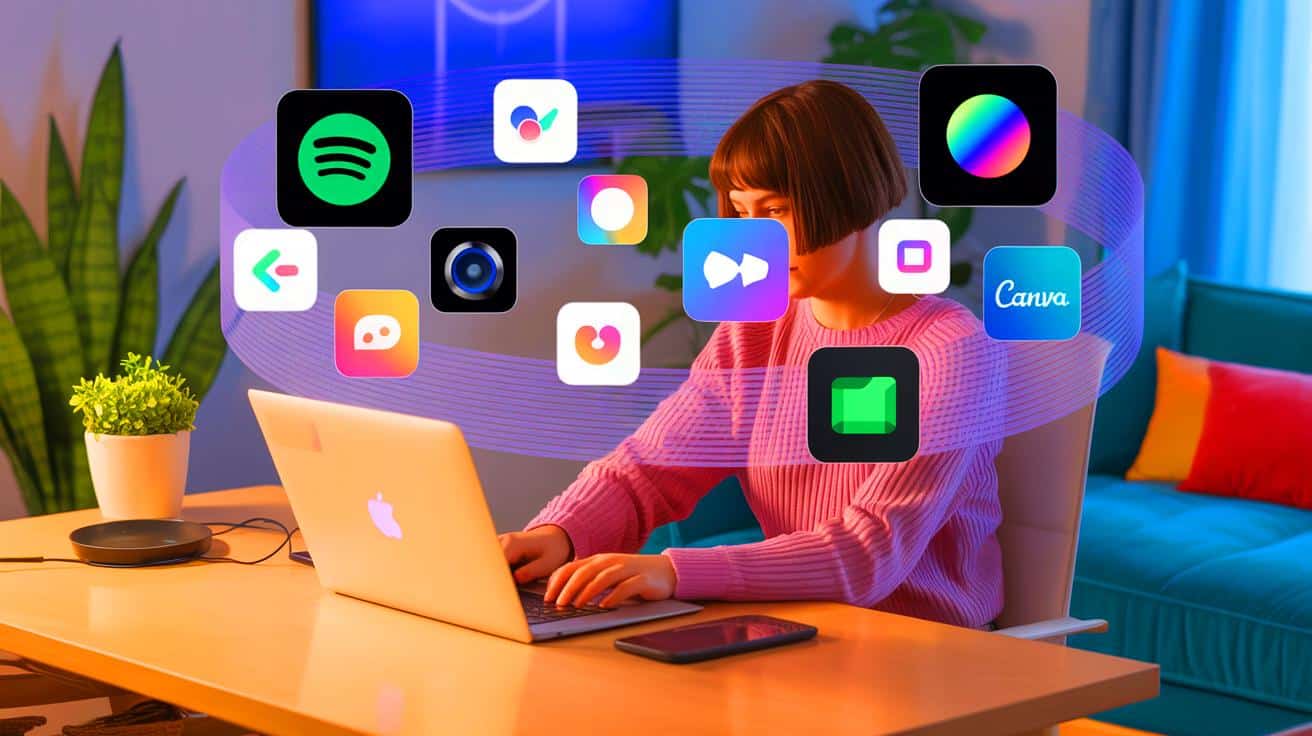
The advent of artificial intelligence in daily life has taken another significant step forward with the launch of new app integrations in ChatGPT. OpenAI’s recent update allows users to connect their accounts from popular services such as Spotify, Canva, and Expedia directly to ChatGPT. This integration provides users with enhanced functionality and convenience, making tasks like creating playlists or booking travel more intuitive and personalized. However, as with any technology that accesses personal data, users must navigate the complexities of privacy and data sharing. This development not only reshapes how we interact with digital services but also prompts a re-evaluation of our digital privacy boundaries.
Transforming Travel Planning with Booking.com
The integration of Booking.com into ChatGPT is set to revolutionize the way users plan their trips. By linking a Booking.com account, users can ask ChatGPT to find hotels based on specific criteria such as dates, budget, and proximity to public transport. This level of customization aims to streamline the process, making it more user-friendly than manually searching through the Booking.com website.
Travelers can also specify additional preferences like amenities or meal plans, allowing for a personalized experience. Once a suitable hotel is identified, users can seamlessly transition to Booking.com to complete their reservations. This integration not only saves time but also reduces the effort involved in planning travel, especially for those unfamiliar with their destination.
However, this convenience comes with the caveat of sharing personal travel preferences and history with ChatGPT, which may concern privacy-conscious users. As this integration becomes more widely adopted, it will be crucial for users to weigh the benefits of convenience against potential privacy implications.
Empowering Creativity with Canva
For creatives, the integration of Canva with ChatGPT offers a new avenue for generating visual content. Whether designing a social media post, a presentation slide deck, or a marketing poster, users can leverage ChatGPT to initiate and brainstorm design ideas. By specifying details such as preferred fonts, color schemes, and dimensions, users can receive tailored design suggestions.
While AI-generated designs may not always hit the mark, they provide a starting point that can be further refined within Canva. This feature is particularly beneficial for those who experience creative blocks or need to produce content quickly. However, users should remain aware of AI’s limitations, such as potential design imperfections or spelling errors.
As this integration matures, it could significantly impact how individuals and businesses approach graphic design, offering a blend of automation and human creativity. The balance between ease of use and creative control will be a key factor in the success of this integration.
Streamlining Online Learning with Coursera
ChatGPT’s integration with Coursera is poised to enhance the online learning experience by helping users find courses that match their skill levels and interests. Users can request recommendations for courses and even compare them based on factors like ratings, duration, and cost.
This capability allows learners to make informed decisions about their education, tailored to their personal and professional development goals. Additionally, ChatGPT can provide summaries of course content, giving users a quick overview of what they can expect to learn.
As online education continues to grow, tools that simplify course selection and enhance learning experiences will become increasingly valuable. This integration reflects a broader trend towards personalized education, where learners can curate their learning paths with greater precision.
Redefining Music Discovery with Spotify
Spotify’s integration within ChatGPT offers users a new way to interact with their music library and discover new content. By instructing ChatGPT to create playlists based on mood or artist preference, users can enjoy a personalized music experience. Beyond playlists, ChatGPT can suggest new artists, podcasts, and audiobooks.
This feature is particularly appealing to music enthusiasts who enjoy exploring new genres and artists but may not have the time to do so manually. By automating the discovery process, users can focus on enjoying the music rather than searching for it.
However, this integration requires users to share their listening habits with ChatGPT, which poses privacy considerations. As with other integrations, users must consider the trade-off between convenience and data privacy when opting to use this feature.
The introduction of app integrations in ChatGPT marks a significant shift in how users interact with digital services. By offering enhanced functionality across various domains, these integrations promise greater convenience and personalization. However, the success of this initiative will largely depend on users’ willingness to share personal data and their comfort with AI handling such information. As OpenAI plans to expand its integrations to include more partners, the question remains: how will users balance the benefits of convenience with the imperative of safeguarding their privacy?



Wow, integrating Spotify and ChatGPT sounds like a game-changer for my playlists! 🎵
La nouvelle intégration avec Spotify va-t-elle vraiment changer la façon dont nous découvrons la musique ? 🎵
J’adore l’idée de personnaliser mes playlists directement avec ChatGPT ! 😍
Does this mean ChatGPT will suggest travel destinations based on my Spotify playlist mood? 🤔
Je suis un peu inquiet concernant la vie privée avec ces nouvelles intégrations… 🤔
Est-ce que quelqu’un a déjà essayé la fonction de création de design sur Canva avec ChatGPT ?
Great job, OpenAI! This is going to make my design work so much easier. Thanks! 😊
Bravo OpenAI pour ces avancées incroyables ! Merci pour rendre notre vie numérique plus facile !
Cette intégration avec Booking.com semble vraiment pratique pour planifier les vacances ! 🌍
Privacy concerns are real. How exactly is my data being used with these integrations?
Les suggestions de design par l’IA peuvent-elles rivaliser avec celles d’un designer humain ?
Je me demande comment ces intégrations affecteront notre perception de la propriété de nos données personnelles.
I’m skeptical about AI-generated designs. Can they really match a human’s creativity?
J’espère que ces nouvelles fonctionnalités ne seront pas trop compliquées à utiliser.
Je suis sceptique sur l’efficacité de ces fonctionnalités. Quelqu’un a testé ?