




| IN A NUTSHELL |
|
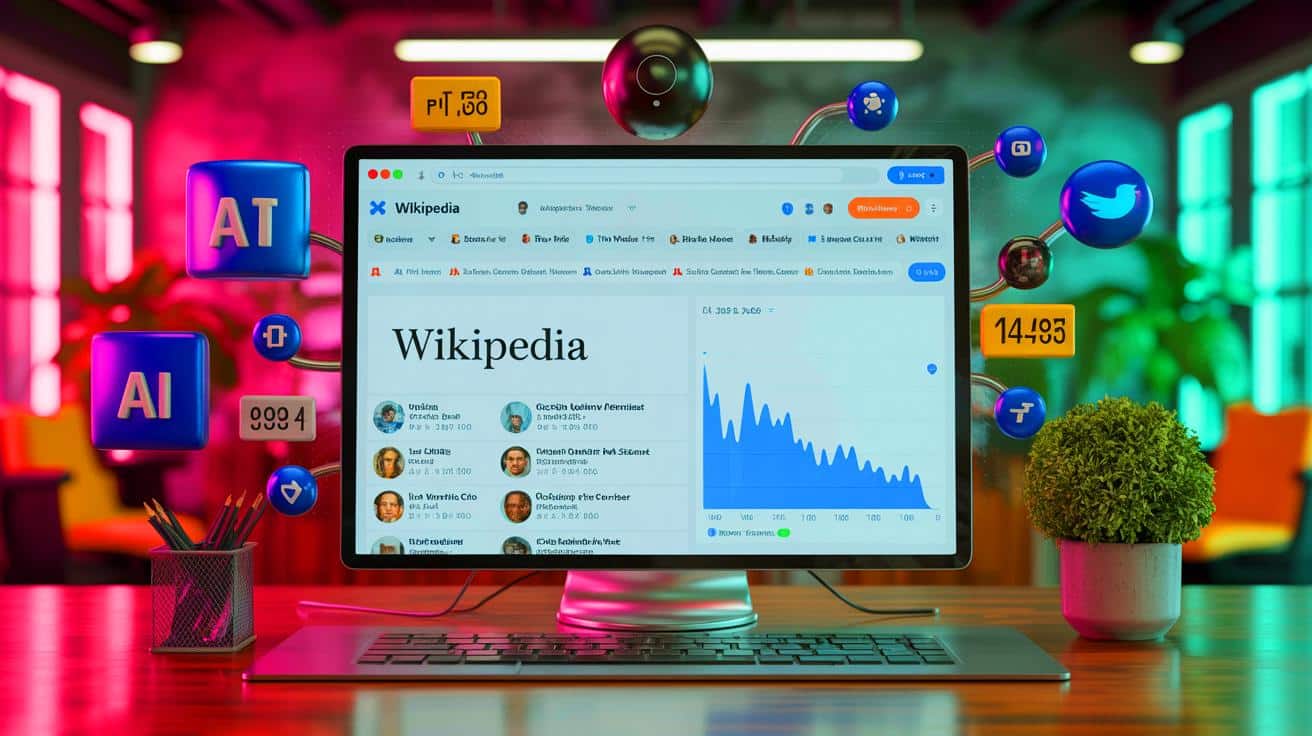
Wikipedia, often hailed as a bastion of reliable information in an increasingly chaotic digital landscape, is experiencing a decline in human pageviews. According to the Wikimedia Foundation, traffic fell by 8% year-over-year. This trend emerges amidst rising concerns over the proliferation of AI-generated content and the dominance of social media. While Wikipedia remains a crucial repository of human-curated knowledge, evolving technologies and platforms are reshaping how people access information. The implications of this shift are significant, not just for Wikipedia but for the broader landscape of information sharing and consumption.
The Challenge of Bot Detection
The Wikimedia Foundation recently updated its systems to better distinguish between human and bot traffic. This update revealed that much of the traffic surge in May and June was attributed to bots designed to evade detection. This revelation highlights the growing sophistication of automated systems that can mimic human behavior online. While bots are not new to the internet, their ability to masquerade as genuine users poses a challenge for platforms like Wikipedia, which rely on accurate traffic data to make informed decisions.
The prevalence of bots underscores the need for robust detection mechanisms. It also raises questions about the integrity of online metrics and the potential for manipulation. As digital spaces become more complex, ensuring the authenticity of user interactions becomes increasingly critical. For Wikipedia, accurate traffic data is not just a metric of success but a gauge of its relevance in the digital age.
Impact of Generative AI and Social Media
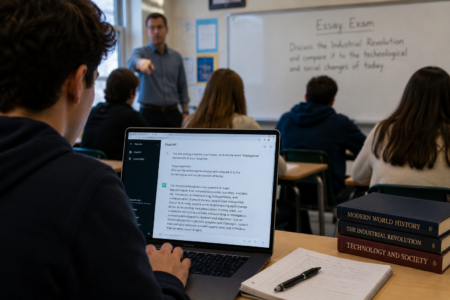
Generative AI and social media are reshaping how information is accessed and consumed. Search engines are increasingly using AI to provide direct answers, bypassing traditional links to sites like Wikipedia. This shift in information retrieval reflects a broader trend toward convenience and immediacy. Younger generations, in particular, are turning to social video platforms for quick and engaging content.
While this evolution in search behavior might seem advantageous, it poses risks to platforms that rely on direct traffic. Wikipedia’s role as a primary source of information is being challenged by AI-driven summaries and social media content. The concern is not just about declining pageviews but about the potential erosion of public awareness regarding information sources. As users become less aware of where their information originates, the value of platforms like Wikipedia could diminish.
Ensuring Content Integrity and Support
Despite these challenges, the Wikimedia Foundation is committed to maintaining Wikipedia’s role as a trusted source of knowledge. The foundation is actively developing new frameworks for attributing content, aiming to ensure that Wikipedia’s contributions are recognized and valued. Two dedicated teams are working to expand Wikipedia’s reach, seeking volunteers to help in this mission.
Miller emphasizes the importance of supporting content integrity and creation. He encourages users to seek out citations and engage with original source material. By understanding the human effort behind content creation, users can better appreciate the significance of platforms like Wikipedia. This awareness is crucial not just for Wikipedia’s sustainability but for the broader ecosystem of curated knowledge.
The Future of Digital Knowledge
As Wikipedia navigates these challenges, it remains a pivotal player in the digital information landscape. The foundation’s efforts to adapt and innovate are crucial for its continued relevance. However, the broader implications of AI and social media on knowledge dissemination cannot be ignored. These technologies offer new opportunities but also demand careful consideration of their impact on information accessibility and authenticity.
Wikipedia’s adaptability will be key to its survival. The platform must balance embracing new technologies with preserving the integrity of its content. This balance is essential for maintaining the trust and engagement of its user base. The question remains: how will Wikipedia and similar platforms evolve in an era where information is increasingly filtered through algorithms and social media feeds?
The digital landscape is evolving rapidly, and Wikipedia finds itself at a crossroads. As it adapts to changes in technology and user behavior, the platform must navigate challenges and seize opportunities to remain relevant. The question for stakeholders is this: how can Wikipedia continue to thrive in a world where AI and social media increasingly dominate the flow of information? The answer will shape the future of digital knowledge and its accessibility for generations to come.



Interesting article! Do you think Wikipedia will adapt successfully to these changes? 🤔
Wow, I had no idea Wikipedia was facing such a decline in traffic! 🤔
AI is taking over everything! Is this the end of Wikipedia as we know it?
Isn’t it ironic that the platform that democratized knowledge is now challenged by AI? 🙃
I hope Wikipedia finds a way to stay relevant. It’s such a valuable resource.
Great article! Thanks for the insights into how AI is changing our online habits. 😊
Wait, 8% decline doesn’t sound like much. Is it really a big deal? 🤷♂️
Should we be worried that bots are becoming so sophisticated? 🤖
Social media reshaping how we search? Sounds like a dystopian future! 😜
Wikipedia needs to start making TikTok videos to stay relevant. 😂
Generative AI is cool, but nothing beats a good Wikipedia deep dive!
How will Wikipedia ensure that its content remains trustworthy amidst these changes?
Thank you for highlighting this issue. It’s important to discuss! 🙌