



| IN A NUTSHELL |
|
In the rapidly evolving landscape of delivery services, RoboMart, a Los Angeles-based startup, is making waves with its innovative RM5 robot. This autonomous delivery robot is designed to transport up to 485 pounds of merchandise at a time, offering a glimpse into the future of local delivery systems in the United States. With the RM5’s potential to disrupt traditional delivery methods, companies like Uber Eats may soon face significant competition. By combining advanced technology and efficient logistics, RoboMart aims to redefine how consumers receive their daily essentials, promising affordability and convenience in a rapidly changing market.
The Technology Behind the RM5
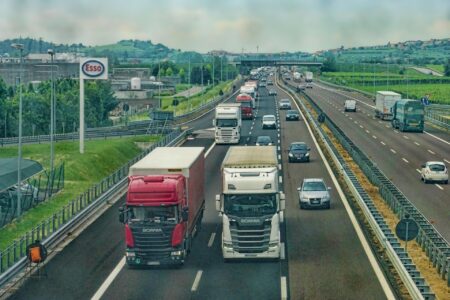
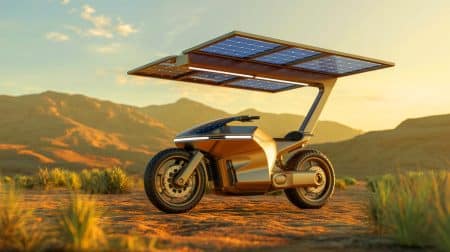
The RM5 is an impressive feat of engineering, boasting a level 4 autonomy that allows it to navigate certain areas without human supervision. With a top speed of approximately 25 miles per hour and a range of about 112 miles, this electric vehicle represents a significant advancement in autonomous delivery technology. Unlike traditional delivery vehicles, the RM5 does not require a driver, maximizing its storage capacity. It features ten compartments, each capable of holding two separate orders, enabling it to deliver up to 20 orders in a single trip.
“With RM5, retailers benefit from a cost-effective on-demand delivery channel, and consumers receive daily essentials at affordable prices. This is the future we are building—an autonomous Instacart that is truly profitable,” RoboMart stated in a press release. The RM5’s design not only maximizes efficiency but also offers a sustainable alternative to conventional delivery methods, potentially lowering carbon emissions and reducing traffic congestion in urban areas.
“Robots Threaten Jobs,” as Parcel Delivery Costs Plummet 53% with Automation in the US
Cost-Effective Deliveries
One of the RM5’s most compelling features is its promise of low-cost deliveries. Unlike services that focus on delivering ready-to-eat meals from restaurants, the RM5 targets local grocery deliveries. This positions it as a direct competitor to platforms like Uber Eats, where delivery personnel often pick up orders from supermarkets. RoboMart aims to establish its own delivery service, offering a flat delivery fee of $3 without hidden charges or mandatory tips.
This is a stark contrast to traditional services like Uber Eats or DoorDash, where costs can quickly escalate to $10 or more after including tips and taxes. Such a pricing model could significantly influence consumer choices, offering a more budget-friendly option for everyday grocery needs. Retailers and associated stores could also benefit from the RM5, potentially reducing delivery costs by up to 70% compared to traditional platforms. However, the rise of autonomous delivery systems may exacerbate the precarious situation for human delivery drivers, whose jobs are already under threat from automation.
Launching in Texas
RoboMart plans to roll out its experimental phase for the RM5 by the end of the year in Austin, Texas. Austin’s selection is strategic, as the city has become a hub for testing various mobility technologies, including autonomous taxis and delivery drones. Residents of Austin are likely accustomed to seeing cutting-edge technology on their streets, making it an ideal location for the RM5’s debut.
If the trials prove successful, it is anticipated that other U.S. cities will soon experience this innovative delivery solution. The introduction of the RM5 in Austin could set a precedent for how other metropolitan areas adopt autonomous delivery technologies. As cities continue to explore sustainable and efficient transportation solutions, the RM5 could play a crucial role in shaping the future of urban logistics.
Implications for the Delivery Industry
The emergence of the RM5 raises important questions about the future of the delivery industry. As technology continues to advance, traditional delivery services may face challenges in maintaining their market share. The RM5’s ability to offer affordable and efficient delivery options could attract a significant portion of consumers seeking convenience and lower costs.
However, this technological shift also highlights the need to address the impact on human workers within the industry. As automation becomes more prevalent, the delivery workforce may need to adapt to new roles or face diminishing job opportunities. Companies and policymakers will need to consider strategies for integrating these innovations while supporting workers affected by the changing landscape.
The introduction of RoboMart’s RM5 presents both opportunities and challenges for the delivery sector. As autonomous technology continues to evolve, how will companies balance innovation with the needs of their workforce and consumers?
Wow, 485 pounds of groceries for just $3? My wallet is ready! 🤑
Wow, 485 pounds of groceries for just $3? That’s insane! 🚀
Qu’est-ce qui se passe si le robot tombe en panne au milieu de la livraison?
At 25 mph, will it cause traffic jams in busy areas?
Am I the only one worried about robots taking over human jobs? 🤔
I can’t wait to see these robots in action in Austin. Goodbye, Uber Eats! 😄
Je me demande comment ça gère les routes encombrées en ville…
Is it safe to have driverless robots on the road? What about accidents?
This sounds like a game-changer for local businesses. Thanks, RoboMart! 😊
Sounds amazing, but what happens if it runs out of power mid-delivery?
25 MPH doesn’t sound very fast. How long would a delivery take?