



| IN A NUTSHELL |
|
In an era where convenience and efficiency drive consumer behavior, a groundbreaking study from Concordia University is set to revolutionize parcel delivery. By leveraging electric vehicles (EVs), autonomous robots, and self-service lockers, this new model promises to make deliveries faster, greener, and more cost-effective. This hybrid system is particularly aimed at priority customers, such as Amazon Prime members, offering a more flexible and sustainable solution to last-mile delivery challenges. While traditional methods rely heavily on vans, this innovative approach minimizes environmental impact and enhances customer satisfaction.
Reimagining Last-Mile Delivery
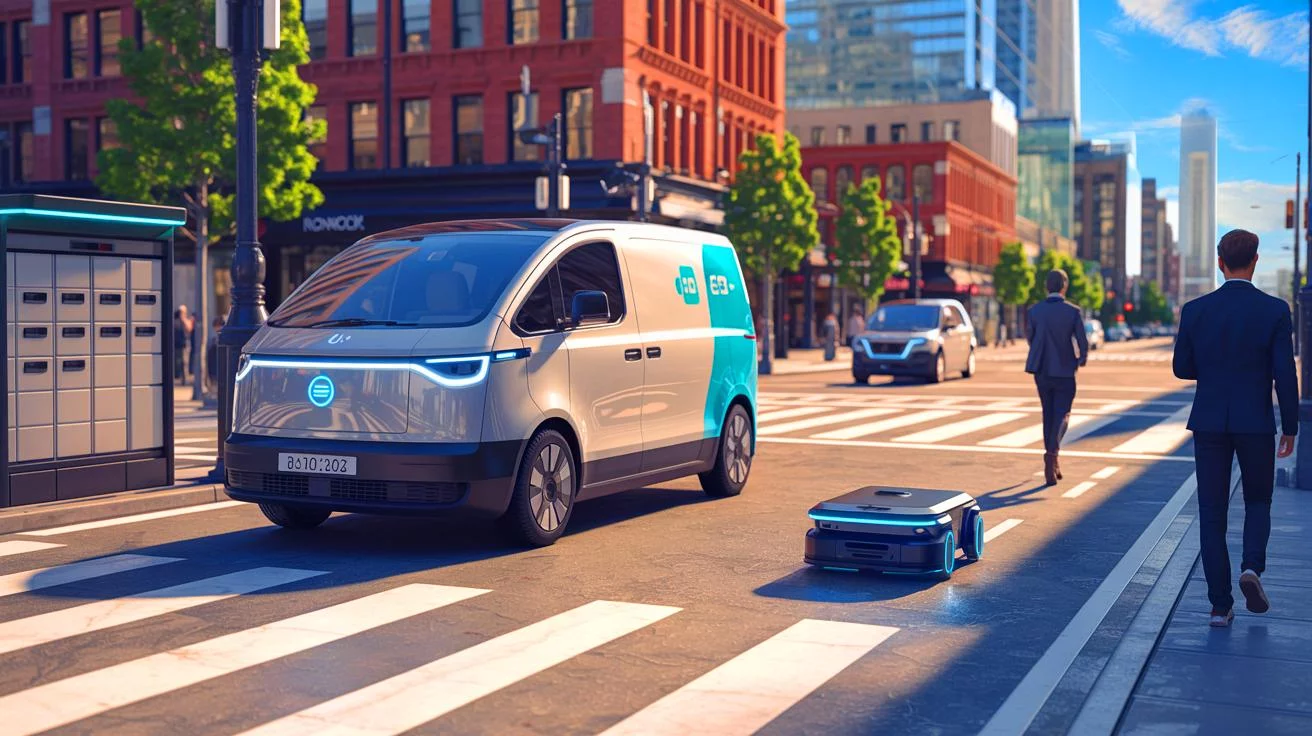
The last-mile delivery stage has long been recognized as the most challenging part of the logistics chain. It’s expensive, slow, and contributes significantly to pollution. As e-commerce giants strive to fulfill promises of one-day delivery, the need for a more efficient system has never been greater. The Concordia study presents a compelling solution by integrating EVs for main routes and autonomous robots for shorter distances. Self-service lockers strategically placed near homes and offices provide a convenient pick-up option for customers, further streamlining the delivery process.
This approach addresses several pain points in the traditional delivery model. By replacing large delivery vans with smaller, more agile robots and EVs, the system reduces congestion and emissions in urban areas. It also enhances delivery speed, enabling companies to meet the growing demand for rapid parcel delivery without compromising sustainability.
Mechanics of the Hybrid System
At the heart of this innovative model is a seamless interaction between EVs, robots, and lockers. EVs begin the delivery journey, navigating main routes efficiently. In situations where direct delivery isn’t feasible, autonomous robots take over, completing the last leg of the journey. These robots operate from designated drop-off sites, often located in parking lots, and return to the EVs for battery swaps and reloading. This “mothership” concept ensures that robots are always ready for the next delivery.
The system’s efficiency is further enhanced by a customized optimization algorithm, which has demonstrated cost reductions of up to 53% compared to traditional EV-only methods. This algorithm outperforms existing industry tools, such as Gurobi, in large-scale delivery simulations, proving its potential to transform urban logistics.
Prioritizing Premium Services
The new delivery model introduces a tiered service structure, prioritizing paid subscribers like Amazon Prime members. For these customers, the system guarantees a specific delivery timeframe, leveraging the two-pronged approach to ensure timely and efficient service. Non-priority users, while still benefiting from the improved system, may experience slightly longer delivery times, depending on demand and logistical constraints.
Advanced mathematical models determine the optimal routes for vehicles and robots, as well as the best locker locations. This ensures that each customer receives the most efficient delivery option available, balancing speed and cost-effectiveness.
Implications for the Future
Beyond immediate cost and efficiency benefits, this model has far-reaching implications for sustainability and urban planning. By reducing reliance on traditional delivery vehicles, the system cuts emissions and lessens the environmental impact of e-commerce. It also offers a flexible framework that can be adapted for other sectors, such as healthcare, grocery delivery, and municipal services.
The study, published in the European Journal of Operational Research, highlights the potential for broader application of this hybrid system. As cities continue to grapple with congestion and pollution, such innovations could play a crucial role in shaping the future of urban logistics.
As the logistics landscape evolves, the integration of technology in delivery systems raises important questions about the future of urban infrastructure and consumer expectations. How will cities adapt to these changes, and what role will innovation play in meeting the growing demands for sustainable and efficient delivery solutions?