




| IN A NUTSHELL |
|
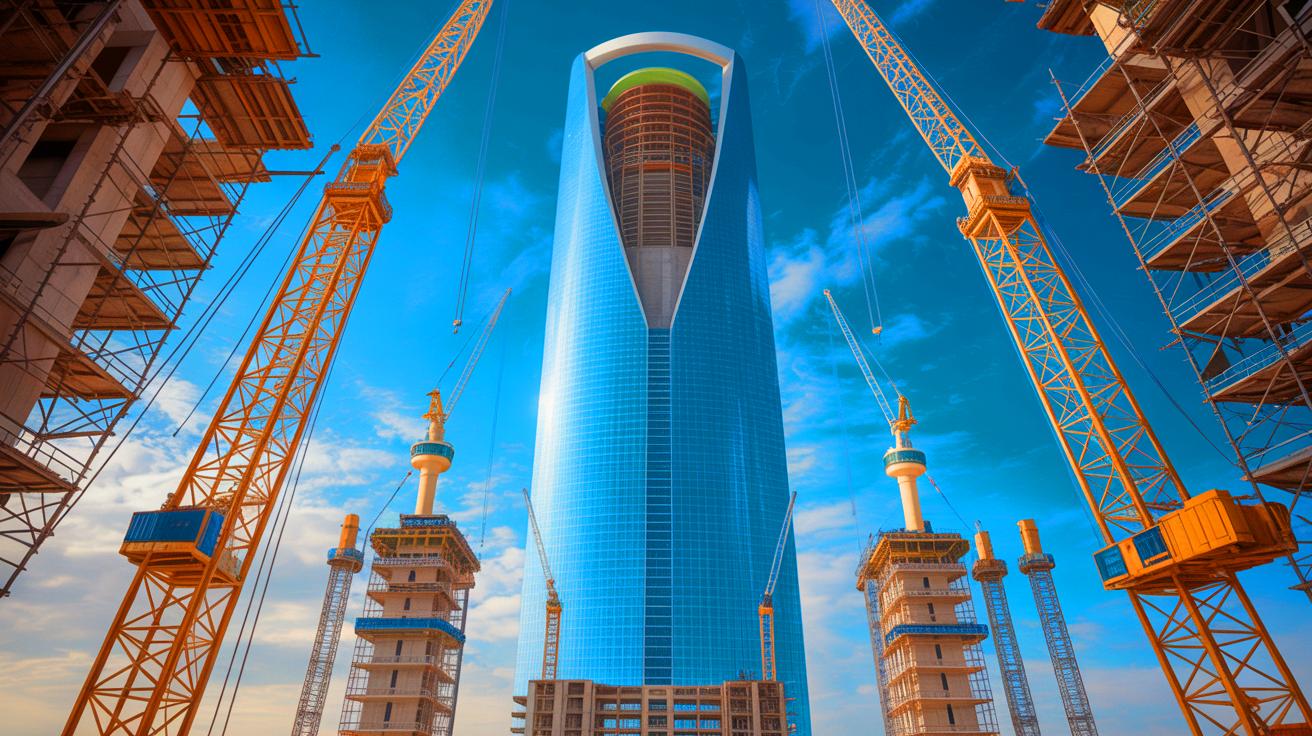
The Jeddah Tower, set to become the world’s tallest skyscraper, is once again capturing global attention. The project, which initially faced several setbacks, has resumed construction with renewed vigor. This iconic structure, located in Saudi Arabia, is projected to reach a staggering height of 3,281 feet upon completion, making it a full 564 feet taller than Dubai’s Burj Khalifa. The Jeddah Economic Company (JEC), the developer behind this ambitious endeavor, has confirmed that construction will be completed within the next four to five years. As the tower takes shape, it is poised not only to redefine the Jeddah skyline but also to serve as a symbol of architectural innovation and economic aspiration.
Projected Timeline for Completion
After a prolonged hiatus, the Jeddah Tower project has resumed with a clear timeline in sight. According to the Jeddah Economic Company, construction is expected to conclude within a span of four to five years. This resumption comes after a significant pause that left the tower at just over 40% completion. Notably, as of January 2025, approximately 60 of the planned 157 floors have been constructed. The developer has been actively engaging with multiple contractors, soliciting bids to ensure that the completion timeline is met. The selection of a new contractor is anticipated within the next two to three months, signaling a decisive step forward in bringing this architectural marvel to fruition.
The timeline is not only a commitment to the project’s investors but also a testament to the determination to overcome past challenges. These challenges have included financial hurdles and logistical complexities inherent in constructing such a monumental structure. With a renewed focus, the Jeddah Tower is once again on track to become a landmark of global significance.
Unprecedented Height and Architectural Significance
The Jeddah Tower’s planned height of 3,281 feet will set a new benchmark in the world of skyscrapers. This ambitious height will surpass that of the Burj Khalifa by 564 feet, firmly establishing it as the tallest building in the world. Designed by renowned architect Adrian Smith, who was also behind the design of the Burj Khalifa, the Jeddah Tower is expected to push the boundaries of architectural and engineering possibilities.
The structural design incorporates innovative techniques to withstand the environmental conditions of the region. The design aims not only to achieve record-breaking height but also to ensure safety and functionality. The significance of this project extends beyond its physical dimensions; it represents a bold statement of Saudi Arabia’s vision for the future, blending modernity with cultural heritage. This endeavor is a part of broader efforts to diversify the country’s economy and promote tourism.
Financial Commitment and Economic Implications
The construction of the Jeddah Tower is a massive financial undertaking, with costs projected to reach approximately $1.23 billion. This substantial investment is indicative of the project’s scale and significance. The financial commitment reflects both the challenges and the potential rewards associated with such an ambitious construction effort.
Economically, the Jeddah Tower is expected to have a transformative impact on the region. It is anticipated to attract global attention, drawing tourists and investors alike. The tower is part of a larger development plan aimed at boosting regional economic growth and diversifying revenue streams beyond oil. The anticipated influx of visitors and businesses is expected to create jobs and stimulate various sectors of the economy, thereby contributing to Saudi Arabia’s broader economic objectives.
Mixed-Use Development and Future Prospects
Envisioned as a mixed-use development, the Jeddah Tower will house residential units, commercial spaces, and office floors. The tower will also feature an observation deck, set to be the highest in the world, offering breathtaking views of the surrounding landscape. Additionally, a Four Seasons hotel is planned within the tower, providing luxury accommodations for visitors.
The tower’s design includes a 98-foot-diameter outdoor balcony, initially intended as a helipad, which will provide unique outdoor space at unprecedented heights. This element of the design highlights the innovative approach taken to maximize the utility and appeal of the tower. The mixed-use nature of the development is in line with modern urban planning trends, which emphasize integrated living and working environments. As the project progresses, it will be interesting to see how these spaces are utilized and how they contribute to the overall success of the development.
As the Jeddah Tower continues its ascent towards becoming the world’s tallest building, it raises intriguing questions about the future of urban development and architectural innovation. How will this monumental project influence the design of future skyscrapers, and what new possibilities will it unlock for cities around the world?


How could such critical structural flaws have been missed during initial inspections? 🤔
Wow, they really reached new heights with this one! 😅
Does anyone know if the tower will have a public observation deck?
Wow, what a setback! Hope they find a solution quickly.
That’s a lot of money for a building! I hope it brings the returns they’re expecting.
Is it really worth the $1.23 billion investment if there are already such major issues?
It’s amazing how they plan to surpass the Burj Khalifa. What an architectural feat!
Maybe they should’ve consulted with engineers from the Burj Khalifa project! 😅
How do they plan to fix these structural flaws?
I’m curious, will they use drones for construction at those heights?
When will they resume construction? I was looking forward to visiting this landmark.
Imagine being on the top floor. The view must be breathtaking! 😍
It’s fascinating to see how ambitious projects like this face real-world challenges. 😮
This project sounds impressive, but I wonder about its environmental impact.
Has anyone considered the potential for wind issues at such a height?
Shouldn’t they have discovered these flaws earlier? Seems like a big oversight.
Can’t wait to see it once it’s finished! Hope it doesn’t take too long.
Why not just fix the cracks and continue? Seems like a waste to halt everything!
It’s always about being the tallest, isn’t it? 🤔
They better have some innovative elevators in there!
What an ambitious project! Let’s hope it doesn’t turn into another “leaning tower.
Incredible engineering challenge! Hats off to the architects and engineers. 🎓
Do you think this will actually be completed in four years? Sounds optimistic!
Are these structural issues common in skyscraper construction?
I hope they prioritize safety over speed in this project.
Will this tower affect the local real estate market?
It’s gonna be a real eye-catcher once it’s done! 👀
Does anyone know who the new contractors will be?
Is it worth the financial risk for just being the tallest?
Hope the engineers have a solid plan to address these issues.
It’s thrilling to see such innovations in construction. Can’t wait to visit!
With flaws like these, I’d be nervous to live or work there! 😬
Can we expect any new tech advancements from this project?
Why not build wider instead of taller? More stability, I guess.
Thanks for the update. Always fascinated by mega structures!
What kind of wind resistance measures are they implementing?
Is the Jeddah Tower part of a larger urban development plan?
Another tower race? When will it stop? 🤷♂️
Will it have the world’s fastest elevators too? 😄
How will this affect tourism in Saudi Arabia?
Hope to see a documentary on its construction once it’s all done!