




| IN A NUTSHELL |
|
The architecture world is abuzz as Zaha Hadid Architects (ZHA) unveils its latest ambitious project: the Khalid Bin Sultan City in Sharjah, United Arab Emirates. Known for pushing the boundaries of design, ZHA is set to redefine urban living by integrating nature with modern architecture. The city will feature a central oasis park and innovative design elements inspired by the natural landscapes of the region. As this project progresses, it aims to set new standards for sustainable urban development and leave a lasting impact on the architectural landscape of the UAE.
Reimagining Urban Landscapes
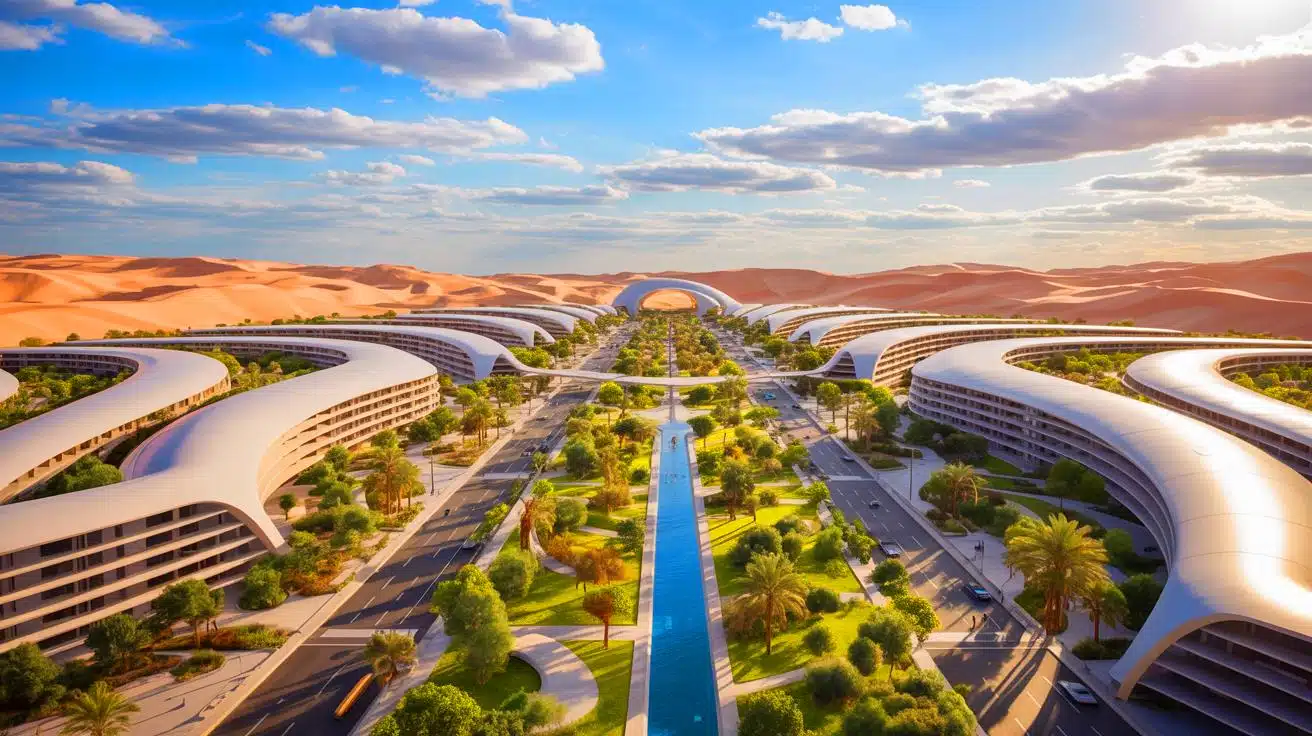
The Khalid Bin Sultan City stands as a testament to Zaha Hadid Architects’ commitment to reimagining urban landscapes. Drawing inspiration from the fluid forms of wind-swept desert dunes, the city aims to create a harmonious blend of architecture and nature. The curving buildings and fluid facades mirror the natural environment, fostering continuity between the built and natural worlds. This approach not only enhances aesthetic appeal but also promotes environmental sustainability by integrating natural elements into the urban fabric.
At the heart of the city lies a two-kilometer-long shaded linear oasis, winding through the urban landscape. This oasis serves as a green artery, offering a refreshing escape from the desert heat. The park’s design includes diverse pockets of nature, providing spaces for recreation, relaxation, and community gatherings. By emphasizing the importance of green spaces, ZHA aims to create a unique sense of place and enhance the overall quality of life for residents and visitors alike.
Designing for a Sustainable Future
In today’s rapidly changing world, sustainability is a paramount consideration in urban planning. The Khalid Bin Sultan City exemplifies this commitment by prioritizing pedestrian-focused layouts, renewable energy sources, and water conservation measures. The city’s design encourages walkability, with public transport systems seamlessly integrated into the urban fabric. This focus not only reduces the reliance on cars but also promotes a healthier and more active lifestyle for its inhabitants.
Moreover, the project incorporates renewable energy systems to power various aspects of the city, reducing its carbon footprint and contributing to a greener future. Water features and recycled water for irrigation further demonstrate the city’s dedication to conserving resources and minimizing environmental impact. By embracing innovative technologies and sustainable practices, the Khalid Bin Sultan City sets a new benchmark for eco-friendly urban development.
Creating a City of Connectivity and Diversity
The design of the Khalid Bin Sultan City reflects a multi-centered urban network comprising seven distinct residential neighborhoods interconnected by sheltered walkways and vibrant streetscapes. Each neighborhood is planned around public spaces, fostering a sense of community and encouraging social interactions. The integration of housing, offices, retail spaces, and places of worship ensures all essential amenities are within easy reach, creating a self-sustaining urban ecosystem.
Renderings of the city reveal lush green roofs, an abundance of local plants and trees, and striking water features. These elements not only enhance the city’s aesthetic appeal but also contribute to mitigating the harsh desert climate. By prioritizing connectivity and diversity, ZHA aims to create a city that caters to the needs and aspirations of its residents, offering a dynamic and inclusive urban environment.
A Visionary Addition to the Region
The Khalid Bin Sultan City is a prime example of the UAE’s ongoing efforts to push the boundaries of architectural innovation and urban design. Following in the footsteps of Dubai’s transformation into a walkable city and Saudi Arabia’s ambitious building projects like the JEC Tower and the Line, the UAE continues to lead the charge in creating forward-thinking urban environments. While the project’s completion date remains uncertain, the vision set forth by ZHA promises to captivate the imagination and inspire future developments in the region.
With its focus on sustainability, connectivity, and integration with nature, the Khalid Bin Sultan City represents a paradigm shift in how cities are conceived and built. As this visionary project progresses, one can’t help but wonder: What other groundbreaking urban innovations will emerge from this era of architectural transformation?
Wow, the two-kilometer shaded oasis sounds like a dream! How soon can we visit this urban paradise? 🌿
Wow, a shaded oasis in the desert? Sounds like a dream come true! 😊
I’m skeptical about these projects. Will it really be as sustainable as they claim? 🤔
Does anyone know when this project is expected to be completed? I’m curious!
Great concept, but how will they handle the desert heat effectively?
I’m all for sustainable cities, but how much will this cost the residents?
Merci beaucoup pour l’information! J’ai hâte de voir les résultats. 😊
Do we really need more cities in the desert? What about the environmental impact?
Finally, a city that prioritizes walkability! It’s about time! 🚶♂️
Les images des dunes de sable balayées par le vent sont superbes! Bravo ZHA!
Is it just me, or do the designs look like something out of a sci-fi movie?
Why don’t they focus on improving existing cities first? 🤷♂️
The integration of nature and architecture is impressive, but what about the maintenance of these green spaces?
Zaha Hadid Architects never ceases to amaze with their bold designs!
Is there any information on the cost of living in this city?
Looks like a futuristic oasis! Can’t wait to see it in reality. 🌞
I hope they include plenty of public transport options to reduce car dependency.
It’s ambitious, but is it realistic to expect such a project to be completed on time?
Les espaces verts dans le désert me semblent une bonne idée, mais comment ils vont gérer l’eau?
This is exactly what we need more of—sustainable and nature-focused urban planning! 🌱
I’m excited to see how they’ll integrate renewable energy sources into the city.
With all the focus on sustainability, what’s the projected carbon footprint of the city?
How do they plan to maintain the green spaces in such a harsh climate?
Une ville qui mélange architecture et nature? Ça semble incroyable! 😊
Will this project truly benefit the local community, or is it just for show?
It’s about time someone reimagined urban living like this! Bravo ZHA! 👏
What are the main challenges they anticipate in building this city?
J’espère vraiment que ce projet va inspirer d’autres villes dans le monde!
How will they ensure that the city remains walkable and not overrun with cars?
Looks like a paradise on paper, but how will it hold up in reality?
Pourquoi ne pas investir dans des villes déjà existantes au lieu de construire de nouvelles?
Such a project could set new standards for urban development worldwide! 🚀
I’m curious about the types of renewable energy they’ll use. Solar, perhaps?
La diversité des quartiers me semble être une idée très intéressante! 😊
How will they incorporate local culture and heritage into the city’s design?