





| IN A NUTSHELL |
|
Apple’s announcement of the iPhone 17 Air marks a significant shift in the smartphone industry. Known for its sleek design, this new model seeks to redefine the boundaries of mobile technology. By potentially removing traditional components such as USB-C ports, Apple aims to usher in a new era of truly wireless devices. This aligns with its ongoing strategy seen in the MacBook Air, emphasizing slimness and design over conventional features. As consumers and experts alike ponder the implications of this bold move, questions arise about the future of smartphone design and the potential challenges and opportunities it presents.
The iPhone 17 Air: A New Era of Portless Design
Apple’s iPhone 17 Air is poised to be its most revolutionary smartphone yet. The device’s ultra-slim profile is achieved by eliminating components like the SIM card slot and minimizing battery size, which might initially seem like a radical departure. However, Apple’s decision to forego the USB-C port is perhaps the most significant change, signaling a dedicated shift towards a wireless future. This strategy mirrors the MacBook Air’s design philosophy, where form triumphs over traditional functionalities.
The iPhone 17 Air strategically positions itself as a middle-ground option with a 6.6-inch display, appealing to a broad audience. The anticipated introduction of an “Ultra” variant could expand consumer choices, offering a fresh alternative to the Pro Max models. While some may view these changes as contentious, they could invigorate iPhone sales by attracting consumers who prioritize sleek design and portability. Will these radical design choices establish a new standard in smartphone innovation?
European Regulations: Navigating the USB-C Mandate
Apple’s potential exclusion of the USB-C port from the iPhone 17 Air is a calculated decision in response to European regulations. The European Union has mandated USB-C adoption as a measure to reduce electronic waste. While Apple complied with this for the iPhone 15 and 16 models, the iPhone 17 Air could mark a departure from this trend.
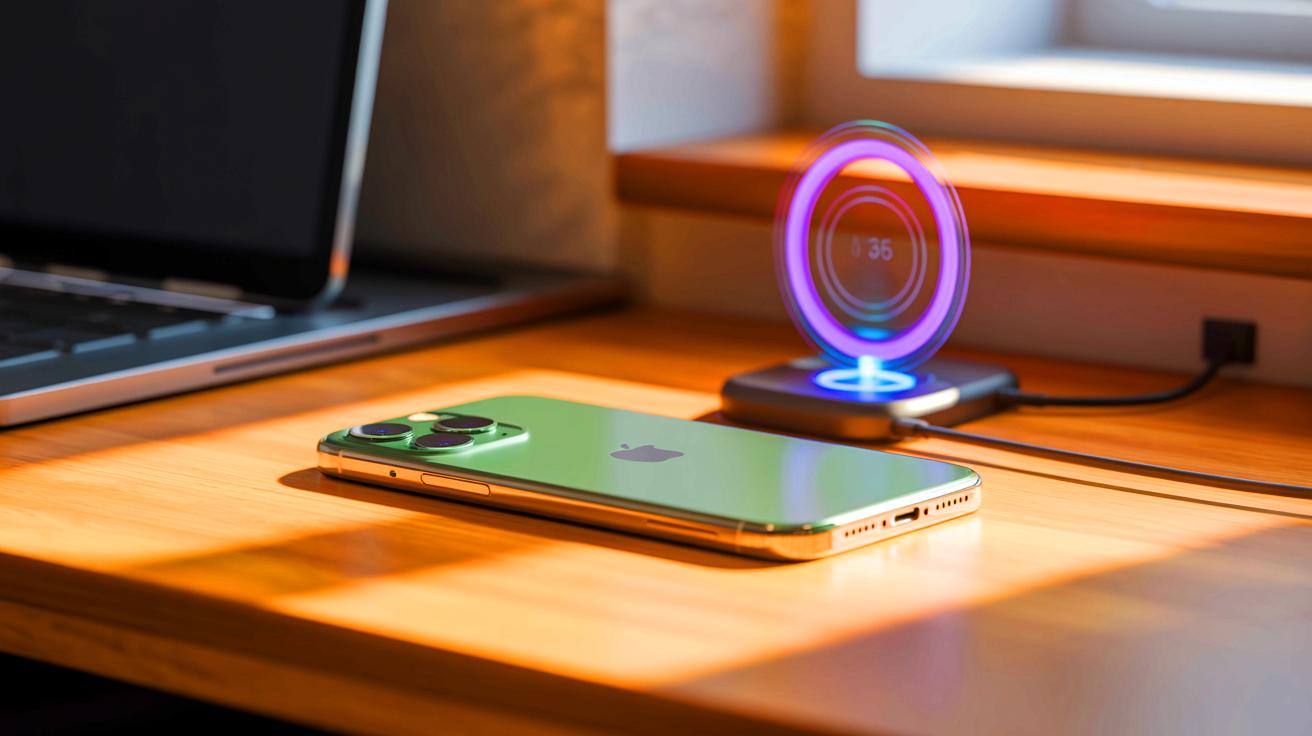
The European Commission has indicated that fully wireless charging could exempt Apple from this requirement, provided it matches or exceeds traditional port usability. To this end, Apple has been enhancing its MagSafe technology to align with the Qi2 wireless charging standard. This could allow the release of a device without any physical charging ports, potentially setting a new precedent in smartphone design. However, Apple remains cautious, likely awaiting consumer feedback before fully committing to this change. Will the iPhone 17 Air pave the way for a truly wireless smartphone future?
Choosing the Right Smartphone: Expert Buying Guides
Navigating the crowded smartphone market can be overwhelming. However, expert buying guides offer invaluable insights for consumers. Whether comparing the latest iPhones or considering alternatives like Samsung’s Galaxy series, these guides simplify the decision-making process by covering a range of categories.
| Category | Description |
|---|---|
| The Best Smartphones | Comprehensive analysis of top-performing devices. |
| The Best iPhones | Focus on Apple’s latest innovations and features. |
| Top Smartphones for Photography | Recommendations for photography enthusiasts. |
| Longest Battery Life Smartphones | Devices that excel in battery longevity. |
| Best Smartwatches | Guide to finding the perfect smartwatch companion. |
These guides are more than just lists; they provide in-depth evaluations of each device’s strengths and weaknesses, ensuring you find a smartphone that aligns with your lifestyle. Are you ready to discover the smartphone that best fits your life?
The iPhone 17 Air represents a pivotal moment in smartphone design and functionality. Apple’s potential elimination of physical ports challenges industry norms, setting a precedent for future innovations. As this new era unfolds, consumers and manufacturers alike must adapt to a changing technological landscape. As we embrace this portless reality, we must ask ourselves: What innovations will follow, and how will they reshape our expectations of technology?



Wait, “air” powers the phone? Is this a joke or a real thing? 😂
Apple always pushes the boundaries, but no ports at all? I’m skeptical about this one. 🤔
How do I connect my wired headphones now? Do I have to go fully wireless?
Thank you, Apple, for making me buy more accessories. My wallet is crying. 💸
Are we supposed to charge it by blowing air into it? 😂
This seems like a bold move. I wonder if other companies will follow suit.
Any idea if the battery life is as good as they claim? Because that’s a big concern for me. 🔋
I’ve always been a fan of Apple’s innovations, but removing all ports seems too extreme.
So, no more tangled cables? I’m in! 🙌