





| IN A NUTSHELL |
|
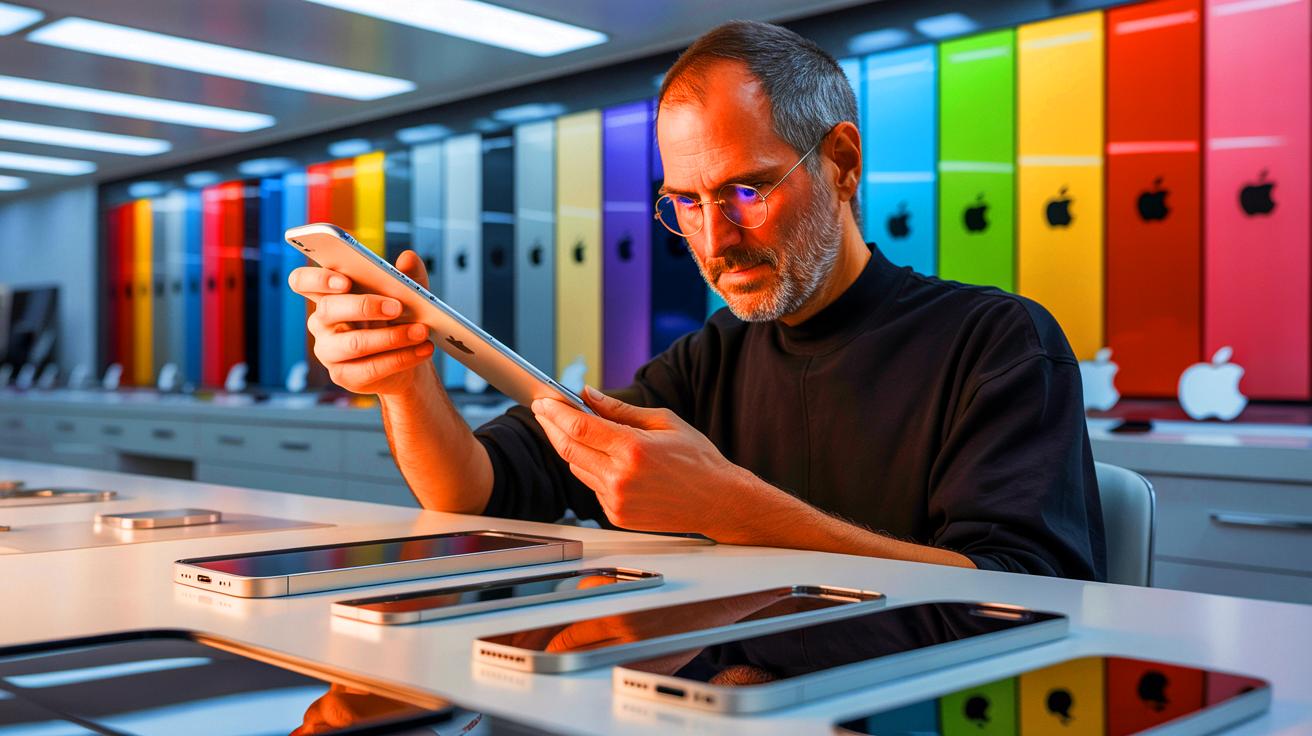
Steve Jobs, the visionary co-founder of Apple, left a profound mark on the technology industry through his unwavering focus on the smallest details. This guiding principle, encapsulated in his belief that “God is in the details,” was not just a catchy mantra but a foundational philosophy that shaped Apple’s products and culture. His meticulous attention to detail transformed both hardware and software, creating products that were not only functional but also emotionally resonant. More than a decade after his passing, Jobs’s philosophy continues to influence Apple and serves as an enduring lesson for creators and entrepreneurs around the world.
Details Were the Foundation of Apple’s Most Iconic Designs
Steve Jobs’s meticulous attention to detail was more than just an idiosyncrasy; it was the bedrock upon which Apple built its most iconic products. Jobs believed that even the components that users would never see, like circuit boards, needed to be perfect. Walter Isaacson, in his biography of Jobs, recounts how Jobs insisted on refining the design of a circuit board merely for its own beauty. This philosophy extended to the external aspects of Apple’s products as well.
For instance, the original Macintosh underwent countless iterations to achieve the precise corner curves and weight distribution that Jobs envisioned. This obsession extended to software design, where Jobs collaborated with designer Jony Ive to perfect the aesthetic and tactile experience of iOS. Jobs’s vision was clear: a product should not only work well but also feel “right” to the user. This exacting standard was integral to the development of products that were not only revolutionary in function but also in form.
“Apple Fears Losing Ground”: This Google Deal Could Change Siri’s Future in the US Tech Race
A Leadership Style Built Around Exacting Standards
Jobs’s leadership style was characterized by an unyielding pursuit of excellence, often demanding and sometimes harsh. His insistence on perfection was a driving force behind Apple’s success but also a source of tension among his teams. According to reports, Jobs could spend countless hours fine-tuning the design of a product like the iMac, pushing those around him to strive for perfection.
His mantra, “God is in the details,” became a guiding principle within Apple, influencing every aspect of product development, from packaging to user interface design. Jobs set a high bar: if a product did not meet his standards, it simply would not be released. This relentless pursuit of quality was costly, both financially and emotionally, but it established Apple as a leader in design and innovation.
Lessons Students and Creators Are Still Drawing From Jobs
The impact of Steve Jobs’s attention to detail extends beyond Apple’s walls and continues to inspire creators, students, and entrepreneurs globally. Several key lessons can be drawn from his philosophy. First, relentless attention builds trust. Consumers can sense when a product has been crafted with care. Second, discipline enhances creativity. Far from stifling innovation, boundaries can serve to define and direct it.
Additionally, small decisions create big outcomes. Nuance can be the difference between the ordinary and the exceptional. Another lesson is that learning never stops. Jobs treated every mistake as an opportunity for improvement. Finally, perseverance is more valuable than resources. Many of Apple’s groundbreaking products began with limited resources but were driven by a clear vision. These principles continue to resonate with individuals striving to create meaningful and impactful work.
The Apple Legacy: Detail as a Design Principle, Not Just a Habit
Apple’s legacy, underpinned by Jobs’s detail-oriented philosophy, persists today. Current Apple products exemplify this commitment to meticulous design. Whether it is the Taptic Engine in the Apple Watch that simulates a heartbeat or the precise responsiveness of the Apple Pencil, every aspect of the user experience is carefully curated.
Under Tim Cook’s leadership, Apple operates differently than it did under Jobs, yet the core principle of detail-driven design remains intact. Each product launch still mirrors Jobs’s original vision: the belief that a truly great product is defined not only by its functionality but by the precision and care with which it is crafted. As Apple continues to innovate, the company carries forward Jobs’s legacy of pursuing perfection in every detail.
As we reflect on Steve Jobs’s enduring influence, it becomes clear that his legacy extends far beyond technology. His philosophy of detail-oriented excellence offers valuable insights for anyone striving to create impactful work. In a world driven by speed and efficiency, how can we ensure that the importance of meticulous craftsmanship does not get lost in the rush? What lessons can future innovators learn from Jobs’s approach to detail and design?



Wow, 3 trillion dollars! It’s amazing how attention to detail can lead to such massive success.
Wow, $3 trillion! Steve Jobs’s influence is still paying off! 😊
Steve Jobs was a genius, but I wonder if his demanding nature was worth the stress it caused his team 🤔
Do you think Apple’s design philosophy has changed since Jobs’s era?
The idea that God is in the details really resonates with me. Thanks for sharing this perspective!
The emphasis on details is what sets Apple apart from other tech giants.
Was it really necessary for Jobs to be so harsh with his team? Can’t creativity thrive in a less stressful environment?
Jobs was a genius, but was his leadership style too harsh for today’s standards?
Apple’s designs are iconic, but do you think they can maintain this level of detail-oriented design without Jobs?
How can modern companies apply Jobs’s attention to detail in their own work?
Incredible article! Steve Jobs truly knew how to elevate product design to an art form.
God is in the details…or should we say Jobs is in the details? 😉