





| IN A NUTSHELL |
|
As India continues to embrace digital technology, the rise in digital fraud poses a significant challenge. With a rapidly growing online population, many individuals are falling victim to scams, especially those involving digital transactions. In response, Google is ramping up its efforts to combat these threats. By introducing new AI-powered tools in India, Google aims to enhance security measures and protect users from becoming victims of digital fraud. These initiatives come at a critical time, as digital fraud in India has led to substantial financial losses, impacting both individuals and institutions.
Google’s AI-Driven Scam Detection
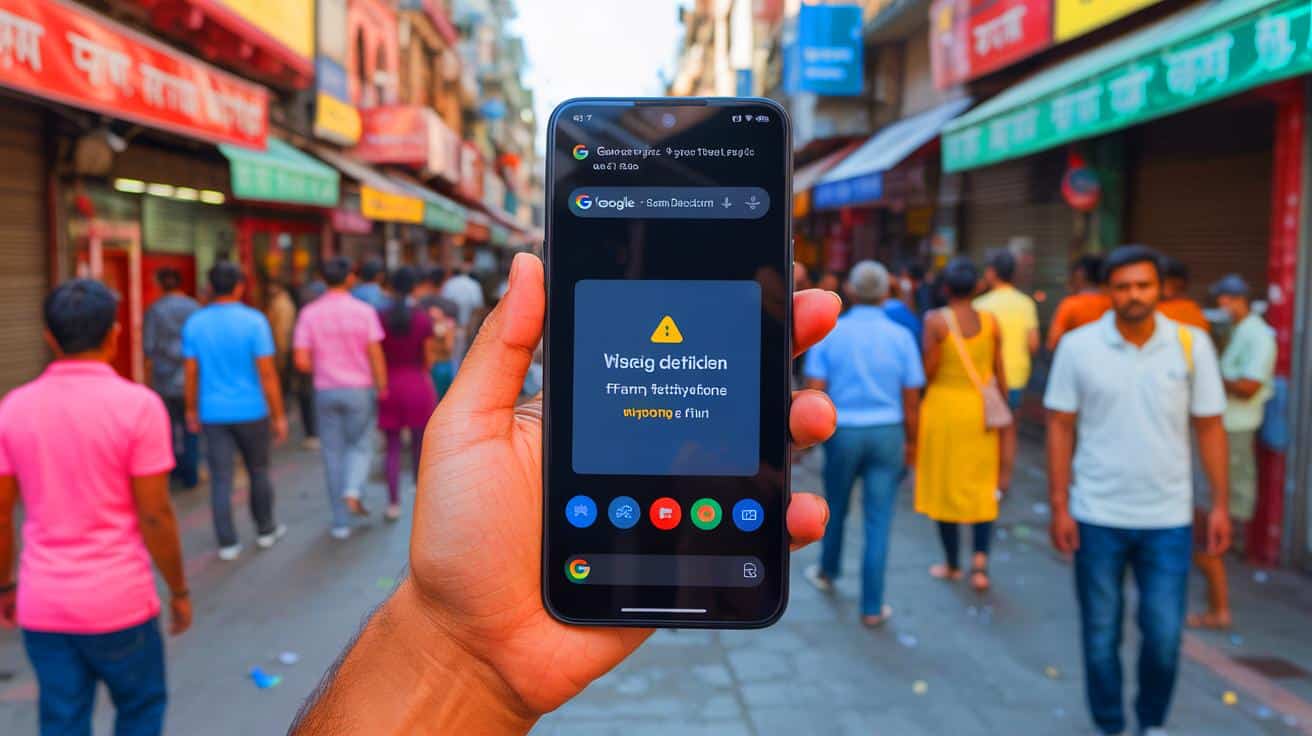
Google is leveraging its AI capabilities to introduce advanced scam detection features in India, addressing the growing issue of digital fraud. These new tools are initially being implemented on Pixel 9 devices, utilizing the Gemini Nano technology to analyze calls in real time and flag potential scams. Importantly, this feature operates without recording audio or sending data to Google’s servers, prioritizing user privacy. However, the feature is only available to English-speaking users in India, which limits its reach in a diverse linguistic landscape.
The introduction of this feature comes as digital fraud in India continues to escalate. According to the Reserve Bank of India, digital transactions accounted for more than half of all reported bank fraud in 2024. This trend highlights the urgent need for effective security measures. Google’s on-device scam detection is a step towards addressing this issue, though its limited availability on Pixel devices poses a challenge in a market where Android dominates but Pixel holds a minor share.
Combating Screen-Sharing Scams
In addition to call scam detection, Google is also targeting screen-sharing scams in India. These scams often involve fraudsters convincing victims to share their screens to capture sensitive information such as one-time passwords and PINs. To combat this, Google has launched a pilot program in collaboration with financial apps like Navi, Paytm, and Google Pay. This initiative provides users with alerts during calls that could potentially lead to screen-sharing scams.
Users with Android 11 or later will benefit from these alerts, which include an option to end the call and stop screen sharing with a single tap. This feature, initially tested in the U.K., will also support Indian languages, making it more accessible to a broader audience. Google’s efforts to expand app partnerships for this feature aim to strengthen its effectiveness and reach, offering users an additional layer of protection against digital fraud.
Broader Efforts to Enhance Digital Security
Google’s commitment to enhancing digital security in India extends beyond scam detection and screen-sharing alerts. The tech giant has been actively working to restrict predatory loan apps through its Play Protect service. This service blocks the sideloading of third-party apps that request sensitive permissions often exploited for fraud. In 2025 alone, Google’s Play Protect prevented over 115 million such installation attempts.
Furthermore, Google Pay has been instrumental in flagging potentially fraudulent transactions, issuing more than a million warnings each week. These efforts are complemented by Google’s DigiKavach awareness campaign, which has reached over 250 million people, educating them about digital fraud risks. Through collaboration with the Reserve Bank of India, Google has also published a list of authorized digital lending apps, helping to limit malicious actors in the financial technology sector.
Challenges and Future Prospects
Despite these initiatives, significant challenges remain for Google in curbing digital fraud in India. The company, like other tech giants, faces criticism for allowing fake and misleading apps on its app store. These apps often slip through review processes, leading to scams that can remain undetected until intervention. This issue highlights the difficulties in policing an ecosystem that plays a dominant role in India’s smartphone market.
Investment and loan apps used for scams have been flagged by police and security researchers, yet they often remain available on the Play Store. These instances underscore the ongoing struggle to maintain a secure digital environment. Google’s recent launch of a Safety Charter in India, as part of a broader AI-driven approach, signals its commitment to addressing these challenges. However, the effectiveness of these measures will depend on continuous innovation and adaptation to the evolving tactics of fraudsters.
As India continues to navigate the digital frontier, the fight against digital fraud remains a pressing concern. Google’s initiatives, while promising, highlight the complexity of securing a vast and diverse online population. As technology advances, so too do the methods employed by fraudsters. How will tech giants like Google adapt their strategies to stay ahead in this ongoing battle?



Merci Google pour penser à notre sécurité en ligne ! 😊
Great initiative by Google! But why only Pixel devices? 🤔
Does this mean my phone calls are being monitored? Sounds a bit creepy. 😬
Super initiative de Google, mais pourquoi seulement sur les Pixel ? 🤔
Finally, some action against those annoying scam calls! 😊
Je suis ravi de voir que Google prend des mesures contre la fraude numérique en Inde. C’est un pas dans la bonne direction !
Why isn’t this feature available in more languages? India is so diverse!
Google better keep improving this, scammers are getting smarter every day. 🔍
Pourquoi Google ne rend-il pas cette fonctionnalité disponible sur tous les appareils Android ?
Merci Google pour protéger les utilisateurs en Inde !
Les fraudeurs trouveront toujours une nouvelle façon de contourner ces protections. Espérons que Google reste à la hauteur !
Screen-sharing scams are a nightmare. Glad to see they’re addressing this. 🙌