




| IN A NUTSHELL |
|
Elon Musk has once again captured the public’s attention with his bold predictions about the future of work and poverty. At a recent economic forum in Saudi Arabia, Musk claimed that within the next 10 to 20 years, work will become “optional” due to advancements in artificial intelligence and robotics. This vision of a world where individuals can choose to work as a leisure activity rather than a necessity raises several important questions. Can we trust Musk’s vision, and is it feasible for this future to be a reality for everyone? The implications of such a shift are profound, sparking a global debate on the role of technology in shaping society’s future.
Elon Musk’s Vision of Optional Work: Fascination and Skepticism
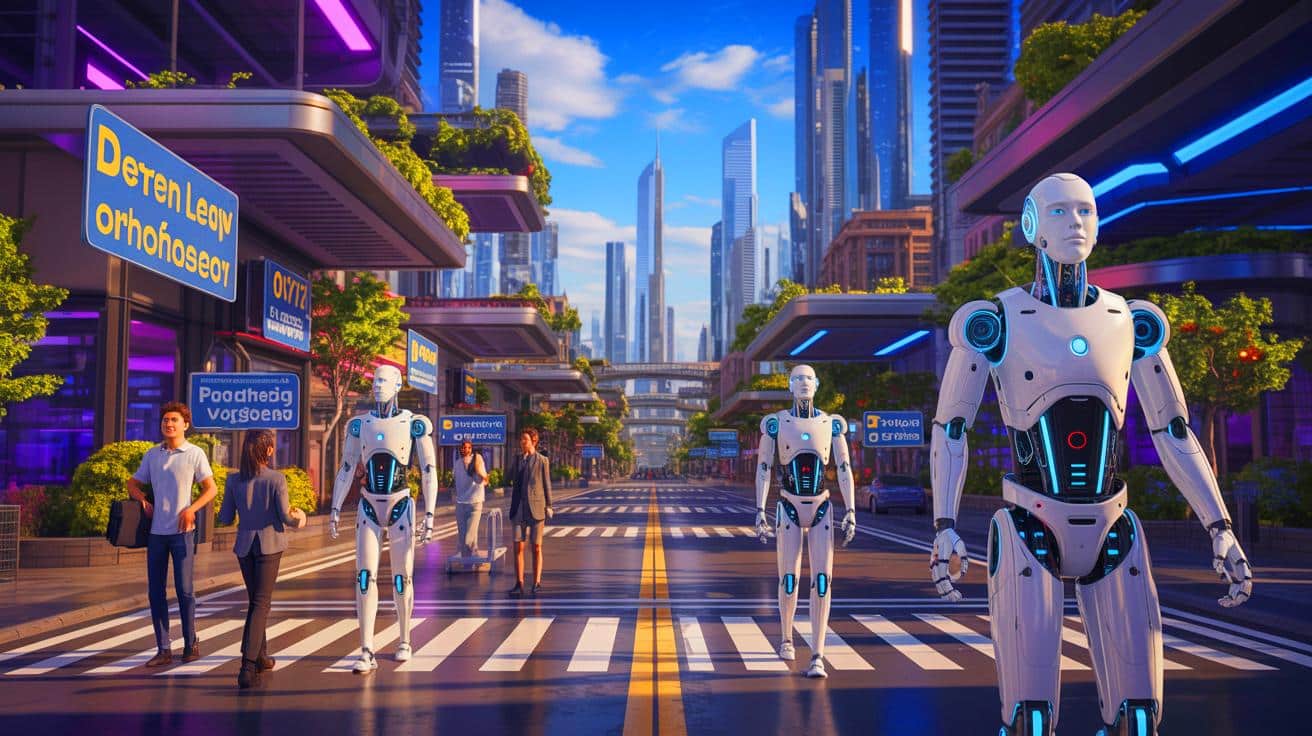
At the heart of Elon Musk’s prediction is the idea that rapid advancements in AI and robotics will make traditional work obsolete. Musk envisions a future where robots handle mundane chores and AI manages complex tasks, freeing humans to pursue creative endeavors or simply enjoy life. This utopian vision is undeniably attractive, suggesting a world where work is a choice, not a necessity.
However, the feasibility of this future remains in question. Critics argue that such a transformation requires more than technological advancement; it demands a fundamental restructuring of economic and social systems. Who will finance a society where work is optional? And will this new freedom be accessible to all, or only to a privileged few? These questions highlight the potential disparity between Musk’s vision and the current socio-economic landscape, emphasizing the need for careful consideration and planning to ensure an equitable transition.
Past Promises and Technological Reality
Elon Musk is no stranger to making ambitious predictions about the future. From autonomous cars to human colonies on Mars, his visions have often sparked excitement and skepticism in equal measure. While technological progress is evident, with tools like ChatGPT and industrial robots showcasing real advancements, the gap between innovation and societal revolution remains significant.
The uneven distribution of technology and the potential for exacerbated inequalities pose challenges to Musk’s optimistic forecast. Despite the tangible benefits of AI, transitioning to a society where work is optional involves not only technological breakthroughs but also significant shifts in policy and societal norms. The historical lag between technological capability and widespread societal adoption serves as a reminder that while Musk’s visions are inspiring, they are not guaranteed to unfold as quickly or as universally as he suggests.
The Context Behind Musk’s Announcement
Musk’s announcement comes amid strategic business moves, notably following a partnership between his startup xAI and NVIDIA to build a large data center in Saudi Arabia. This timing suggests that his statements may serve as a strategic communication effort, aiming to attract attention and investment from Gulf powers keen on technological innovation.
Additionally, Tesla’s focus on AI aligns with Musk’s broader business strategy. As the company faces challenges in the automotive sector, emphasizing AI and robotics offers new opportunities to revitalize its image and attract investors. When Musk talks about ending poverty through technology, it’s essential to recognize the entrepreneurial perspective driving these narratives. While his vision is compelling, it is not devoid of strategic interests aimed at fueling business growth and securing a competitive edge in the tech industry.
A World Without Poverty: Theoretical Possibility or Practical Challenge?
The idea of eradicating poverty through technology is appealing, especially as some regions experiment with universal income and advanced digital services. However, realizing this vision requires strong political will, equitable wealth distribution, and stringent regulation of tech companies. Musk, known for his demanding corporate culture and controversial labor practices, may not be the ideal champion for this cause.
The disparity between Musk’s rhetoric and the realities within his companies raises questions about his commitment to social responsibility. While technology can play a pivotal role in addressing poverty, it is not a panacea. Bridging the gap between Musk’s idealized future and the current state of his enterprises requires more than innovation; it necessitates a commitment to social and economic reforms that align with the equitable ideals he espouses.
Trusting Elon Musk: Inspiring Vision or Strategic Narrative?
Elon Musk’s predictions often blend inspiration with strategic foresight. They shape a desirable future while justifying his present business decisions. AI will undoubtedly transform our lives, but expecting it to eliminate work and poverty without collective effort is more fiction than fact. Technology is a tool, not a magical solution. The question remains: as we navigate these complex transitions, how do we ensure that the benefits of technological advancements are shared equitably across society?


Do we really believe AI can end poverty, or is it just a dream? 🤔
Elon Musk always has these grand ideas. Do you think AI can really make work optional in the next 20 years?
Sounds like science fiction! 😄 But hey, if anyone can do it, maybe it’s Musk?
Elon Musk is a visionary, but sometimes his timelines are way off! 😅
More promises from Musk… remember the Mars colonies? Still waiting for that one! 🚀
I’m curious—who will actually benefit from a world where work is optional?
Interesting read. Thanks for sharing this perspective on Musk’s vision!
Isn’t it a bit naive to think technology alone can solve poverty?
Can AI truly solve poverty, or is this just a tech billionaire’s dream? 🤔
Thanks for the article. It’s always interesting to hear what Musk is up to next!
Lol, Musk and his predictions! What’s next, AI butlers for everyone? 😂