




| IN A NUTSHELL |
|
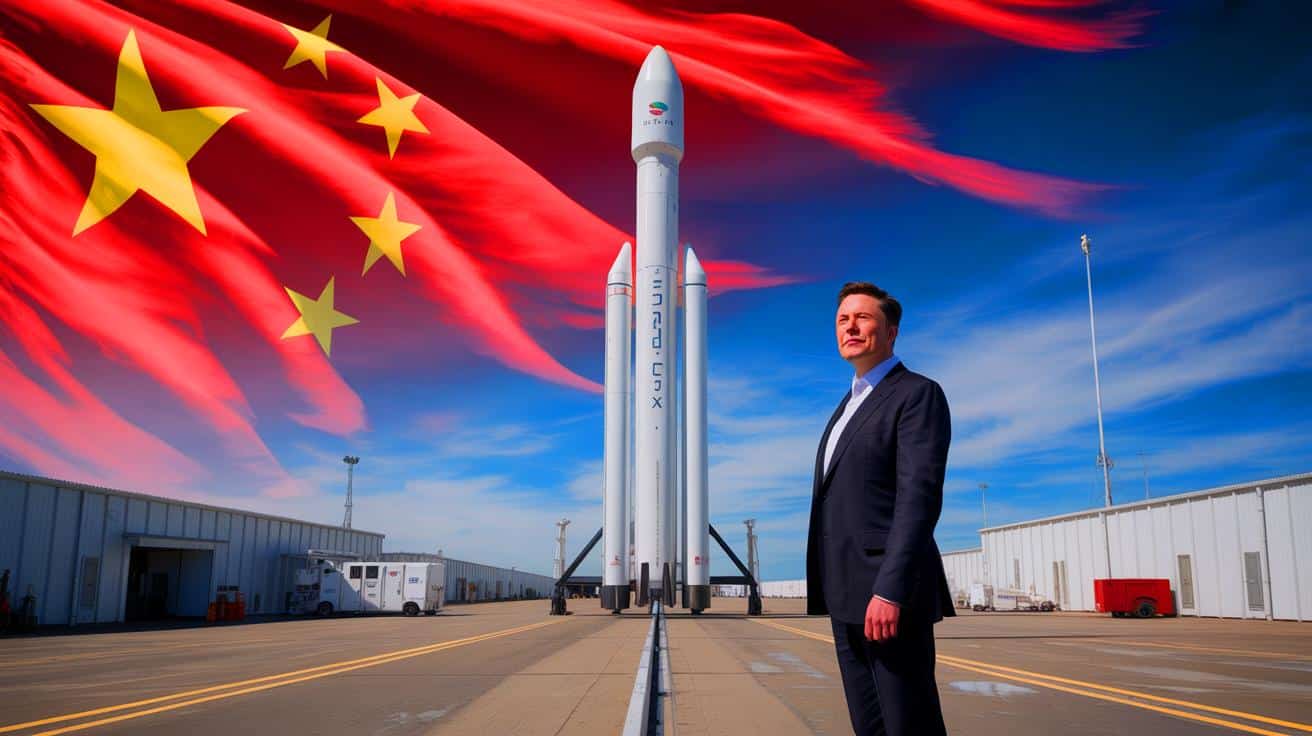
In a revelation that has sent shockwaves through both the tech world and the political landscape, SpaceX, the aerospace company founded by Elon Musk, has been found to have accepted investments from Chinese entities. The disclosure has raised eyebrows given SpaceX’s close ties with the United States military, serving as a major contractor for the Department of Defense. The implications of this financial association are profound, potentially exposing the U.S. to foreign espionage risks. This situation raises serious questions about the transparency of SpaceX’s ownership structure and the measures in place to safeguard national security.
SpaceX’s Relationship with Chinese Investors
Testimony has now surfaced indicating that Chinese investors have a financial stake in SpaceX. Iqbaljit Kahlon, a significant SpaceX investor, revealed during a 2024 deposition that Chinese stakeholders are indeed involved, some even listed as shareholders. This connection to China, a country often seen as an adversary by the U.S., is causing concern over potential security vulnerabilities. Notably, SpaceX has managed these investments through offshore channels like the Cayman Islands, which could be perceived as an attempt to avoid U.S. regulatory scrutiny.
Previous reports by ProPublica have highlighted SpaceX’s intricate financial dealings. For instance, SpaceX apparently backed out of a substantial $50 million deal with a Chinese firm when the details became public. This incident suggests that SpaceX is cautious about the public perception of its ties to China. Such actions have spurred reactions from political figures, including Democrats who have addressed their concerns to the U.S. Secretary of Defense and NASA, questioning SpaceX’s transparency and the risks posed by these associations.
Impact on U.S. National Security
SpaceX’s involvement with Chinese investors is particularly troubling given its integral role as a contractor for the U.S. Department of Defense. The company handles sensitive projects, including the launch of spy and weather satellites. In 2023 alone, SpaceX secured seven military launch contracts, valued at over $845 million, outpacing its competitors. This dominance in military contracts makes the potential for foreign interference a significant risk.
The lack of transparency regarding SpaceX’s ownership and the extent of Chinese involvement is a pressing concern. The U.S. government relies heavily on SpaceX for critical missions, and any vulnerability could have far-reaching implications. As the company continues to expand its operations, ensuring rigorous oversight and transparency is crucial to maintaining national security.
Elon Musk’s Stance and Political Implications
Elon Musk’s personal connections with China further complicate the situation. Musk has cultivated relationships with China through Tesla, his electric vehicle company, which operates extensively within the country. This pro-China stance contrasts sharply with political sentiments in the U.S., particularly under the Trump administration, which has taken a hard line against Chinese influence, igniting trade tensions and imposing restrictions on China’s tech sector.
In a recent House subcommittee meeting, Musk was accused of being China’s “top puppet” by New Jersey Democrat LaMonica McIver. Such accusations underscore the growing skepticism in Washington, D.C., about Musk’s intentions and the broader implications of SpaceX’s financial ties. As discussions around these issues continue, they are likely to fuel debates about the future of U.S.-China relations and the role of private companies in national security.
Future Considerations for SpaceX and U.S. Policy
The revelations about SpaceX’s ties to Chinese investors pose significant questions for the future. Policymakers must decide how to balance the benefits of private aerospace innovation with the imperative of safeguarding national interests. As SpaceX continues to secure government contracts, ensuring that its operations are free from foreign influence will be critical.
The broader impact of these revelations could lead to increased scrutiny of private sector collaborations with foreign entities, particularly in sensitive industries like aerospace and defense. Moving forward, establishing robust regulatory frameworks to oversee such partnerships may become a priority for lawmakers. These developments highlight the complex interplay between innovation, national security, and international relations in the modern era.
As SpaceX navigates these challenges, the core question remains: How will the U.S. government and private companies reconcile the dual imperatives of fostering innovation and protecting national security in an increasingly interconnected world?



Wow, this is some serious stuff! How did nobody notice until now? 🤔
Are we sure SpaceX isn’t just trolling the government at this point? 🤔
This article is quite an eye-opener! Thanks for the detailed analysis.
The article raises important points, but where’s the proof of espionage?
Elon Musk really should explain why Chinese investors are involved. What’s going on?
Does anyone else think this sounds like a plot from a spy movie? 🎬
SpaceX’s transparency is definitely questionable. Can we trust them with military contracts?
How does this affect SpaceX’s existing military contracts? Seems risky!
Can we trust any company with foreign investments when it comes to national security?
Thanks for the insightful read! National security should always come first.
Great, now we’re relying on SpaceX for defense, and they’re in bed with China? 🤦♂️
Is it even legal for a company with military contracts to have foreign investors?
The Cayman Islands bit is super shady. Why are they hiding? 🏝️
Why is this just coming out now? What else don’t we know? 🕵️♀️
Thank you for shedding light on this issue. It’s crucial for transparency!