




| IN A NUTSHELL |
|
In the ever-evolving landscape of the entertainment industry, Netflix is making waves with its strategic embrace of generative AI technology. The streaming giant, known for its innovative approach to content creation, is positioning itself to capitalize on advancements in AI without compromising the essence of storytelling. By integrating AI as a tool to enhance creativity rather than replace it, Netflix aims to lead by example in a sector that remains divided on the implications of AI. This move comes amidst growing concerns among artists about the potential of AI to disrupt traditional roles in filmmaking.
Netflix’s Strategic Approach to AI
Netflix’s recent quarterly earnings report reveals a calculated approach to the integration of generative AI in its content creation processes. The company emphasized that AI is not intended to serve as the backbone of its productions. Instead, it is viewed as a means to augment the capabilities of creatives. Netflix CEO Ted Sarandos articulated this vision during an earnings call, highlighting that while AI offers exciting new tools, it cannot substitute the talent and vision required for great storytelling. This sentiment underscores Netflix’s commitment to preserving the human touch in its productions.
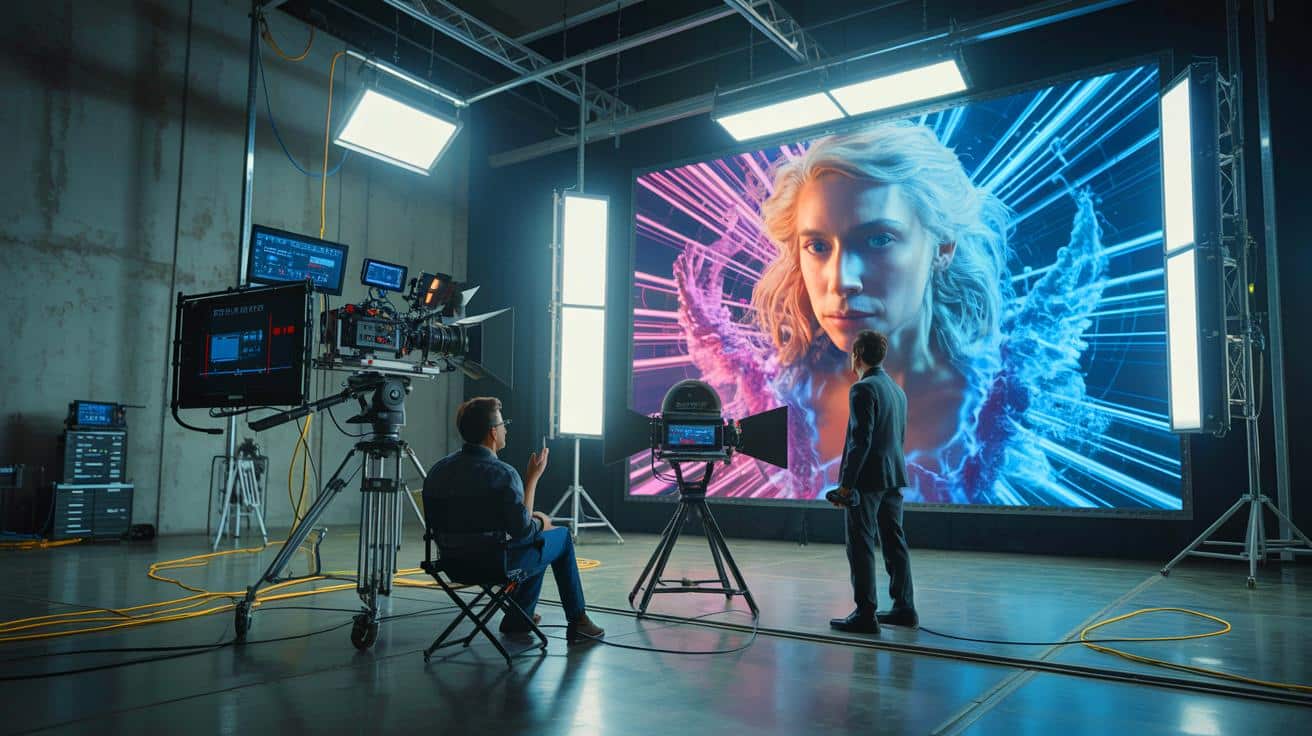
Already, Netflix has explored AI’s potential in practical applications. For instance, the Argentine show “The Eternaut” employed AI to simulate a building collapse. Other projects, such as “Happy Gilmore 2” and “Billionaires’ Bunker,” have utilized AI for tasks like de-aging characters and conceptualizing set designs. These examples illustrate how AI can streamline and enhance various aspects of filmmaking without overshadowing the creative input of human artists.
The Industry’s Concerns and Divisions
Despite Netflix’s optimistic outlook, the use of AI in the entertainment industry remains a contentious topic. Artists and creators express apprehensions that AI technologies, particularly those trained on large language models (LLMs), could compromise job security and artistic integrity. The unauthorized use of existing works as training data for AI models has sparked fears about the erosion of intellectual property rights. The introduction of AI actors, though not yet a mainstream reality, has also added fuel to the fire, with concerns about the potential displacement of human actors.
Moreover, recent developments in AI technology, such as OpenAI’s Sora 2 model, have intensified these debates. The release of this model without adequate safeguards against deepfakes has prompted calls for stricter regulations. Industry organizations like SAG-AFTRA, alongside prominent actors, have voiced the need for guardrails to protect against misuse. These concerns highlight the broader conversation around the ethical use of AI in creative industries.
The Potential for Behind-the-Scenes Impact
While the focus of AI integration has been on enhancing special effects rather than replacing actors, the implications for behind-the-scenes roles cannot be ignored. Visual effects artists, in particular, may face challenges as AI begins to automate tasks traditionally performed by humans. The efficiency and cost-effectiveness of AI tools might lead studios to reevaluate their reliance on human labor for certain technical aspects of production.
Nonetheless, Netflix remains confident that AI will complement rather than supplant human creativity. As Sarandos reassured investors, the company is not concerned about AI replacing the creative process. Instead, it views AI as a catalyst for innovation, enabling storytellers to explore new avenues and push the boundaries of what is possible in film and television.
Economic Implications and Future Prospects
Netflix’s financial performance provides additional context to its AI strategy. The company reported a 17% increase in quarterly revenue, reaching $11.5 billion. However, this growth fell short of expectations, indicating potential challenges ahead. As Netflix continues to navigate the competitive streaming landscape, leveraging AI could be a key differentiator in maintaining its market position. By investing in AI-driven efficiencies, Netflix aims to produce high-quality content more swiftly and cost-effectively, thereby attracting and retaining subscribers.
Looking ahead, the integration of AI in entertainment raises important questions about the future of the industry. How will studios balance the benefits of technological advancements with the need to preserve artistic integrity and job security? As AI continues to evolve, the industry must grapple with these issues to ensure a sustainable and equitable future for all stakeholders.
As Netflix forges ahead with its AI initiatives, the entertainment industry stands at a crossroads. The potential of AI to revolutionize filmmaking is undeniable, yet it also poses significant ethical and practical challenges. How the industry chooses to navigate this complex landscape will shape the future of storytelling in profound ways. What measures can be taken to ensure that AI serves as a tool for empowerment rather than displacement in the creative process?
Wow, Netflix is really leading the charge with AI in filmmaking! 😊
Wow, Netflix is really diving into the future with AI! Can’t wait to see how it changes the shows we love. 🤖
Is AI going to replace our favorite actors anytime soon?
Is this the end of traditional filmmaking or just a new beginning?
I’m skeptical about AI maintaining the artistic integrity of films.
I’m curious, will AI-generated content still have that human touch we all love?
Thank you, Netflix, for trying to balance innovation and storytelling!
Not sure how I feel about AI in my movies… Feels a bit like Skynet is on the way! 😅
So, does this mean we’ll see more CGI in Netflix shows?
Great job, Netflix! Always pushing the boundaries and staying ahead of the curve.
Not sure how I feel about AI in film. Could be amazing or disastrous! 🤔
How will Netflix ensure AI doesn’t take over creative jobs?
Honestly, isn’t this just a ploy to cut costs and replace creatives with machines?