





| IN A NUTSHELL |
|
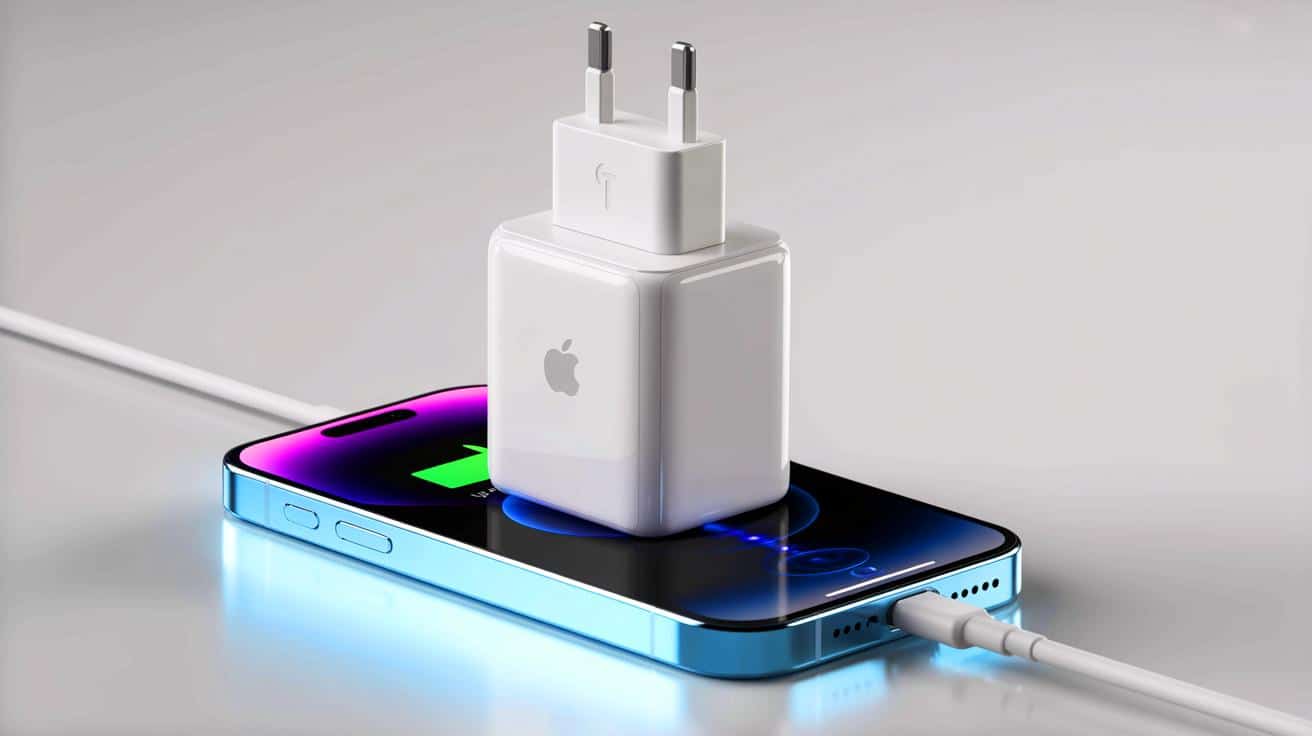
Apple’s recent unveiling of the iPhone 17 series has introduced a significant advancement in charging technology. The iPhone 17’s release was accompanied by the introduction of the “Apple 40W Dynamic Power Adapter with 60W Max,” a groundbreaking accessory that leverages the USB Power Delivery (PD) 3.2 standard’s Adjustable Voltage Supply (AVS) protocol. This technology enables more efficient power delivery, potentially enhancing battery life by reducing heat during charging. Unlike conventional chargers with fixed voltage steps, AVS allows for precise voltage adjustments, making it a substantial leap forward in charging technology. This new approach could redefine how electronic devices manage power, setting a new standard for efficiency and performance.
Revolutionizing Charging Efficiency
The introduction of the Apple 40W Dynamic Power Adapter is a pivotal moment in the evolution of charging technology. The AVS protocol allows for granular voltage adjustments, which means that as a device’s battery approaches full capacity, it can reduce power intake precisely. This capability optimizes battery life and minimizes heat generation, a common issue with fast charging. The Verge’s insights into this development highlight the ability to pack the benefits of a 60W charger into a 40W design, without compromising safety or efficiency. This innovation is not just about faster charging but about smarter power management.
Apple’s approach with AVS signifies a deliberate move to control its charging ecosystem more tightly. By focusing on efficiency and safety, Apple is setting a new benchmark that could potentially influence the entire consumer electronics industry. The move towards a more controlled charging environment aligns with Apple’s broader strategy of integrating hardware and software to enhance user experience. As smartphones and other devices continue to become more sophisticated, such innovations in power delivery are crucial.
Unlocking Fast-Charging Potential
For owners of the iPhone 17 Pro and Pro Max, the new adapter is essential for maximizing the phones’ fast-charging capabilities. Reports indicate that these models can achieve a 50% charge in approximately 20 minutes, thanks to the AVS protocol. However, this rapid charging is only possible with compatible hardware, highlighting the importance of this new adapter. Existing chargers, regardless of their power output, fall short without AVS support.
Hands-on testing by AppleInsider has demonstrated the adapter’s ability to adjust voltage dynamically, minimizing energy waste and preventing excessive heat buildup. This feature is particularly valuable as batteries in smartphones and laptops become more advanced. The ability to manage power more effectively not only enhances the user experience but also contributes to the longevity of the devices.
Choosing AVS Over Established Protocols
Apple’s decision to adopt the AVS protocol over the more commonly used Programmable Power Supply (PPS) protocol is a strategic move aimed at long-term ecosystem control and efficiency. AVS operates within the USB PD 3.2 framework, allowing for standard power range adjustments that could standardize fast charging across devices. This choice reflects Apple’s focus on creating a controlled, efficient charging environment.
Industry experts point out that AVS addresses universal challenges such as overheating during rapid charging. Discussions on social media platforms, including the charger’s $39 price point, reflect growing interest in this technology. Some speculate whether competitors will adopt similar technologies to keep pace with Apple’s advancements. This move could potentially set a precedent for how power delivery standards evolve in the coming years.
Market Implications and Future Prospects
Priced at $39 in the U.S., the new adapter replaces Apple’s discontinued 30W model and extends compatibility to laptops and other USB-C devices. However, early reviews from forums like MacRumors have been mixed. While the technology is praised, some users question the cost for what appears to be a niche upgrade. The broader implications of the USB PD 3.2 specification, which includes faster data transfer capabilities, suggest a future where charging and connectivity are increasingly integrated.
Apple’s bet on AVS as a cornerstone for future products could influence the entire consumer electronics sector. As the sole market option currently supporting PD 3.2 SPR AVS, Apple has a head start. However, as demand for efficient, versatile chargers grows, third-party manufacturers are likely to follow suit. The rigorous certification process ensures safety amid higher power outputs, providing confidence in adopting this new standard.
As Apple pushes the boundaries of charging technology with its latest adapter, it raises important questions about the future of power delivery standards. Will other manufacturers adopt similar protocols to keep pace with Apple’s innovations? The shift towards more efficient and controlled power management could redefine how we charge our devices, blending speed with sustainability in an era of increasing technological demands. As the industry adapts to these advancements, how will consumer preferences and expectations evolve in response?



Wow, Apple is really stepping up their game with this charger! Can’t wait to try it out. 😊
Wow, Apple’s always one step ahead! 😲 Can’t wait to try this new charger.
So, does this mean my old charger is useless now? 🤔
Another expensive gadget from Apple… Is it really worth the $39?
Just another way for Apple to make more money… Typical! 😒
How does the AVS protocol actually work? Sounds intriguing!
How does this AVS protocol differ from the traditional PPS? Could someone explain? 🤔
Finally, a charger that won’t turn my phone into a toaster! 😂
Is the $39 price tag really justified for just a charger?
This sounds promising for battery health. I hope other manufacturers follow suit!
This seems like a game-changer for people who rely on fast charging.
Will this charger be compatible with older iPhone models?
Is it compatible with older Apple devices or just the iPhone 17 series?
Apple never ceases to innovate. Kudos! 👏