




| IN A NUTSHELL |
|
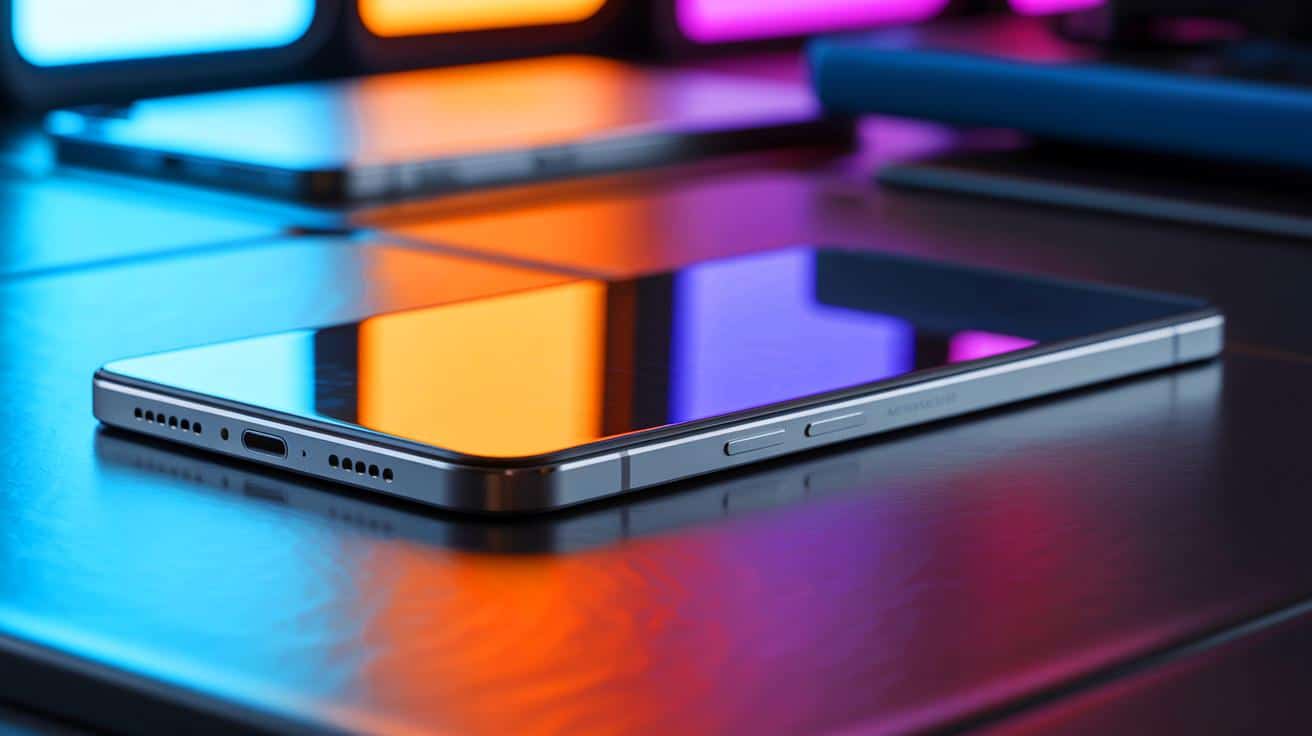
The latest release from Apple, the iPhone Air, has generated considerable buzz, not only because of its sleek design but also due to its remarkable durability. Despite being one of the thinnest smartphones on the market at 5.64 millimeters thick, it surpasses its competitors, such as Samsung’s Galaxy S25 Edge, in terms of robustness. This achievement is particularly noteworthy given Apple’s previous experience with the “bendgate” controversy that affected earlier iPhone models. The Cupertino-based company has taken significant steps to ensure that history does not repeat itself, incorporating advanced materials and engineering to enhance the device’s resilience.
Apple’s Response to Bendgate
The term “bendgate” became synonymous with Apple’s iPhone 6 series when users reported that their phones were bending under pressure. This issue highlighted the challenges of creating ultra-thin devices without compromising structural integrity. In response, Apple has made considerable efforts to fortify the iPhone Air against similar problems. The incorporation of a titanium frame is a testament to this commitment, offering increased durability without adding significant weight.
Apple’s rigorous testing standards further underscore their dedication to quality. The iPhone Air reportedly withstands a bending pressure of 58.9 kilograms, a feat that has been documented in a video shared by Tom’s Guide. This demonstration not only reinforces Apple’s claims but also serves to reassure consumers of the device’s resilience. The use of titanium is a strategic choice, as it is known for its strength and corrosion resistance, making it an ideal material for high-end devices.
Innovative Materials and Design
In addition to the titanium frame, Apple has introduced a new type of glass known as Ceramic Shield 2 for the iPhone Air's display. This material is touted as being more robust than any glass or ceramic used in other smartphones, offering superior protection against scratches and impact. The back of the device is also shielded by Ceramic Shield, a feature previously reserved for the front screens of earlier models. This dual-layer protection strategy reflects Apple's focus on both aesthetics and durability.
The combination of cutting-edge materials and innovative design techniques positions the iPhone Air as a leader in the premium smartphone segment. As manufacturers continue to push the boundaries of what's possible, Apple's approach serves as a model for balancing form and function. This commitment to quality is especially important in a market where consumers expect both sleekness and sturdiness in their devices.
Market Implications and Consumer Expectations
The release of the iPhone Air has significant implications for the broader smartphone market. As consumers increasingly prioritize durability alongside design, manufacturers are compelled to innovate continually. Apple's use of advanced materials like titanium and Ceramic Shield sets a new standard for competitors. This shift underscores a growing trend towards sustainability and longevity in consumer electronics, where devices are expected to withstand the rigors of daily use.
For consumers, the iPhone Air represents a promising blend of elegance and resilience, addressing the concerns raised by previous models. This focus on durability is likely to resonate with users who have experienced issues with fragile devices in the past. As the industry evolves, the challenge will be to maintain these high standards while introducing new features and technologies that enhance the user experience.
Testing and Public Perception
The rigorous testing of the iPhone Air's durability has sparked interest and discussion among tech enthusiasts and consumers alike. Videos demonstrating the device's resistance to bending have circulated widely, contributing to a positive public perception of Apple's latest offering. These tests not only validate Apple's claims but also provide transparency that consumers increasingly demand from manufacturers.
Public perception is crucial in the tech industry, where brand reputation can significantly influence purchasing decisions. Apple's proactive approach in addressing potential concerns with the iPhone Air demonstrates a commitment to customer satisfaction and product excellence. As new models are introduced, maintaining this level of transparency and reliability will be key to sustaining consumer trust and loyalty.
The iPhone Air's launch marks a significant milestone in Apple's journey to combine sleek design with unparalleled durability. By addressing past challenges and setting new industry standards, Apple has reinforced its reputation as a leader in innovation. As the market continues to evolve, how will other manufacturers respond to these advancements, and what new innovations can consumers expect in the future?



Wow, 58.9kg pressure?! Apple really stepped up their game this time! 😮
Wow, un iPhone qui ne plie pas ? C’est un miracle ! 😂
Is the titanium frame really going to make a big difference, or just marketing fluff?
58.9kg de pression ? Comment avez-vous testé ça ?
Great article! Can’t wait to see if Samsung responds with an even stronger phone. 😏
The iPhone Air looks amazing, but I’m still skeptical about its durability. Anyone tested it yet?
La durabilité est impressionnante, mais est-ce que ça justifie le prix élevé ?
Another overpriced gimmick from Apple or a genuine innovation?
Glad to see Apple addressing the bendgate issue. Better late than never!
Ce nouveau iPhone Air a l’air super, mais qu’en est-il de l’autonomie de la batterie ?
58.9kg of pressure? That’s more than I can lift at the gym! 😂
How does the Ceramic Shield 2 compare to Gorilla Glass in real-world use?
Bravo Apple pour avoir enfin réglé le problème de “bendgate” !
Does this mean we can finally stop using phone cases?
Why does Apple always have to be so dramatic? 😂