





| IN A NUTSHELL |
|
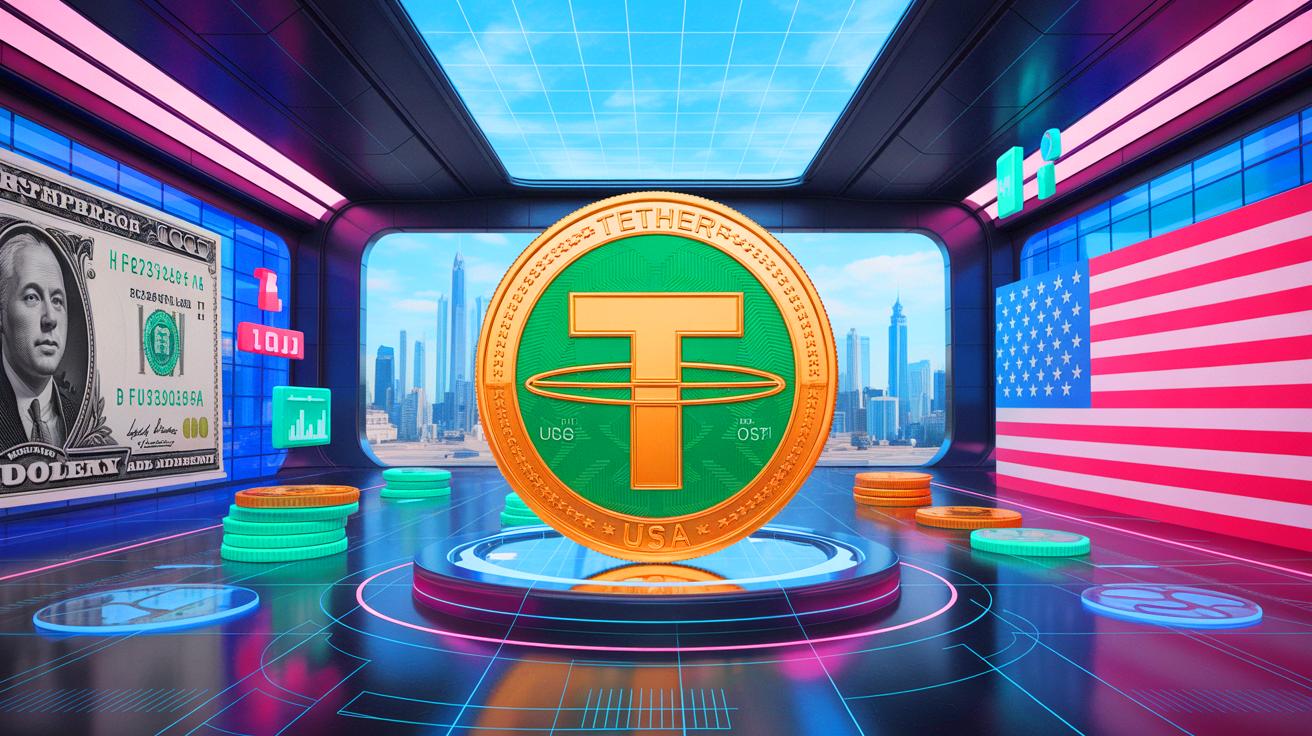
In a move that could significantly reshape the digital currency landscape, Tether has unveiled plans for USA₮, a new U.S.-regulated stablecoin. This initiative aims to reinforce the dollar’s position as the dominant currency in digital assets. Tether, already a major player in the cryptocurrency market, has appointed Bo Hines, a former White House crypto adviser, to lead this new venture. The USA₮ stablecoin will comply with the GENIUS Act, aligning it with new U.S. regulatory standards. This development underscores Tether’s commitment to transparency and innovation, potentially setting a new benchmark for compliance in the rapidly evolving world of digital finance.
Bo Hines to Lead U.S. Operations
The appointment of Bo Hines as CEO of Tether USA₮ marks a significant step in the integration of regulatory compliance and innovation in the stablecoin sector. Hines, who previously served as Executive Director of the White House Crypto Council, brings a wealth of experience in business, law, and government to his new role. His leadership is expected to align USA₮ with American regulatory priorities, ensuring that the stablecoin operates within the legal frameworks set by the U.S. government.
Hines expressed his enthusiasm for the project, stating, “By building USA₮ with compliance, transparency, and innovation at its core, we are ensuring that the dollar remains the foundation of trust in the digital asset space.” This sentiment highlights the strategic importance of the USA₮ initiative, not only for Tether but also for reinforcing the dollar’s strength in the global economy.
With U.S.-based leadership, Tether aims to address regulatory concerns and foster trust among users and stakeholders. The company believes that Hines’s appointment will enhance its ability to navigate the complex regulatory landscape and strengthen its position as a leader in the digital currency market.
Tether’s Global Reach and Profits
Building on the success of USD₮, Tether’s most widely used stablecoin, the launch of USA₮ represents a strategic expansion of Tether’s influence in the digital currency market. USD₮ boasts a market capitalization exceeding $169 billion, with daily transactions surpassing those of some leading payment firms. This widespread adoption, particularly in emerging markets, underscores the trust and reliability that Tether has established among its users.
In addition to its market dominance, Tether has become one of the most profitable companies in the digital asset sector. The firm reported earnings exceeding $13 billion in 2024 and anticipates similar financial performance in 2025. Tether’s position as the 18th largest holder of U.S. Treasuries further cements its role as a significant player in the global financial ecosystem.
Through the introduction of USA₮, Tether seeks to offer institutions and businesses a regulated alternative to cash and traditional financial systems. This initiative is framed as a “natural next step” in reinforcing the strength of the dollar in both domestic and international markets, providing a stable and reliable option for financial transactions.
A Commitment to Transparency and Compliance
USA₮ is set to comply with the GENIUS Act, the first major U.S. legislation governing stablecoin issuance. This compliance is crucial for establishing trust among users and regulatory bodies. Tether has partnered with Anchorage Digital, the country’s only federally regulated crypto bank, to issue the token. Cantor Fitzgerald will serve as the reserve custodian and primary dealer, ensuring that USA₮ maintains transparent and secure reserves.
Tether’s commitment to transparency is further emphasized by its platform, Hadron, which will tokenize real-world assets. This innovation aligns with U.S. financial rules, setting a benchmark for compliance in the stablecoin sector. Paolo Ardoino, CEO of Tether, remarked on the project, stating, “USA₮ is our commitment to ensuring that the dollar not only remains dominant in the digital age, but thrives.”
This endeavor reflects Tether’s confidence in the dollar and its ability to adapt to the evolving digital landscape. By emphasizing transparency, resilience, and accessibility, Tether aims to bolster the dollar’s position in the digital economy, offering a stable and reliable currency for users worldwide.
The Future of Digital Currency and Regulation
The launch of USA₮ represents a pivotal moment in the evolution of digital currencies. As regulatory frameworks continue to develop, the role of stablecoins like USA₮ in the global financial system becomes increasingly significant. Tether’s initiative highlights the importance of compliance and transparency in building trust among users and regulators.
With the digital currency landscape rapidly evolving, the introduction of USA₮ could pave the way for further innovations in the sector. As more companies and institutions explore the potential of digital assets, the need for regulated and reliable options becomes paramount. Tether’s approach to integrating regulatory compliance with technological innovation sets a precedent for other players in the market.
As the digital economy continues to grow, the question remains: How will traditional financial systems adapt to the rise of regulated digital currencies like USA₮?



Wow, $169 billion! Tether is playing in the big leagues now. 💰
Wow, $169 billion! That’s a lot of zeros! 💸
Bo Hines, from the White House to Tether? That’s quite a move! What does this mean for the future of stablecoins?
Bo Hines seems like a great choice for CEO. But can he really balance innovation with compliance?
Are there any risks involved with launching such a massive stablecoin?
Why USA₮? The name sounds a bit confusing.
Pourquoi tout le monde parle de stablecoins maintenant? Je suis un peu perdu. 🤔
Compliance and transparency are key. I’m glad to see Tether focusing on these areas. 😊
Sounds promising! But how will this affect the value of USD₮?
Is this just another way for the US to maintain its dominance in the digital economy?
Who’s this Bo Hines guy? Never heard of him before!
Isn’t $169 billion a bit too ambitious? Sounds like a bubble waiting to pop!
Does anyone else think $169 billion is a bit too ambitious? 🤔