




| IN A NUTSHELL |
|
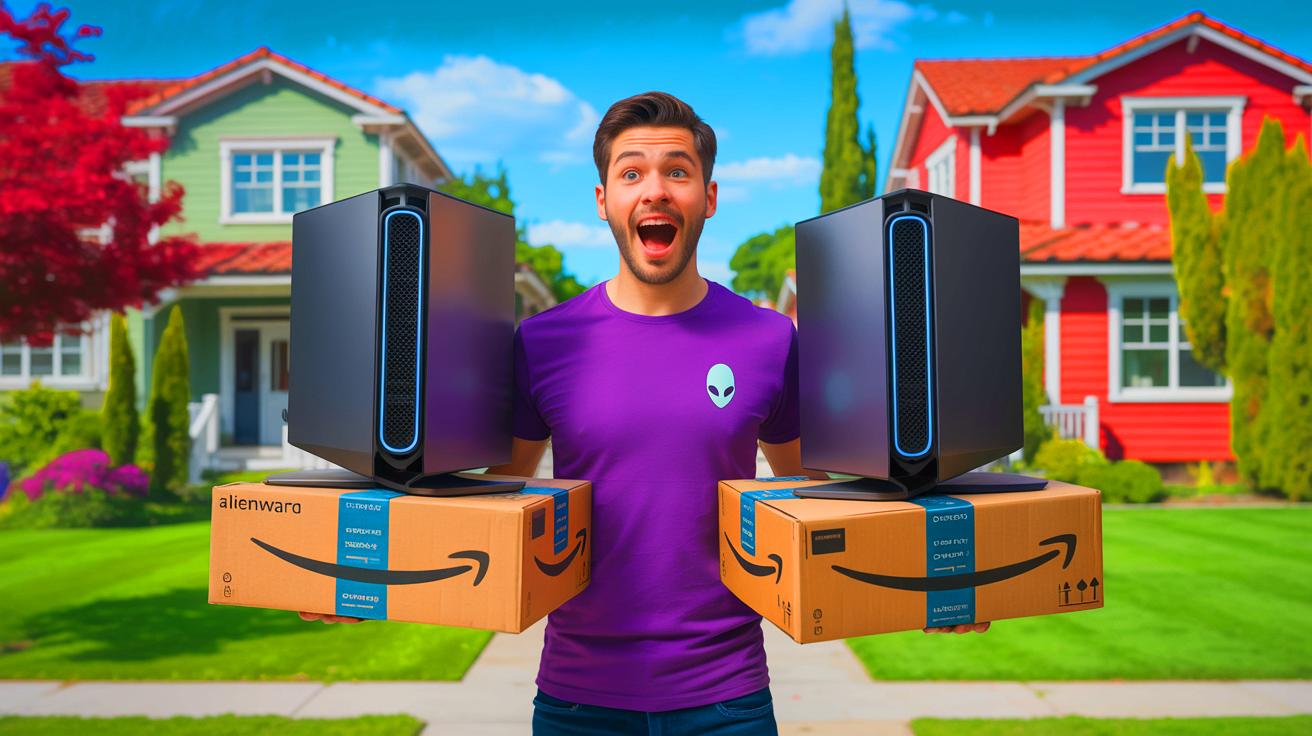
A recent incident involving a delivery mix-up has highlighted both the complexities and the occasional generosity of e-commerce giants like Amazon. A gamer, hoping to score a deal on a high-end monitor, found himself in a surprising situation when he received an extra unit of the coveted Alienware 32 4K QD-OLED. Priced at around $1,200 but purchased for approximately $900 during a sale, this delivery error could have presented a significant financial dilemma. Instead, it turned into an unexpected windfall, showcasing the sometimes unpredictable nature of online shopping logistics.
The Unexpected Surprise: Two Monitors Instead of One
Receiving two monitors instead of one was an unexpected twist for the gamer, known as WRSA. Initially, the delight of imagining an enhanced dual-screen setup was quickly overshadowed by the anxiety of a potential $900 charge for the second monitor. This concern prompted WRSA to reach out to Amazon’s customer service to report the error. Despite the initial worry, his honest approach led to an astonishing response from Amazon’s representative.
The customer service agent reassured WRSA, stating that he would not be charged for the extra monitor. Instead, Amazon considered it a gift. This generous resolution was unexpected, especially given the company’s prior reputation for challenging refund processes in cases of defective or misdelivered items. The outcome was not only a financial relief but also a reminder of the potential for positive outcomes in otherwise complex consumer scenarios.
The Logistics Behind the Delivery Error
The occurrence of such delivery errors often stems from the intricate logistics of e-commerce operations. When a package is deemed lost during transit, companies like Amazon typically issue a refund or send a replacement item. However, the original package may eventually be located and delivered, resulting in the customer receiving two products. This situation poses a logistical dilemma for the company.
In many cases, the cost and complexity of retrieving the extra item outweigh the benefits. Thus, companies may opt to allow customers to keep the additional item as a goodwill gesture. This approach simplifies logistics and enhances customer satisfaction, albeit at the expense of the company absorbing the cost of the extra product. It’s a pragmatic solution that highlights the challenges and strategic decisions inherent in large-scale e-commerce operations.
The Legal Perspective: Rights and Responsibilities
While WRSA’s experience ended favorably, it is important to understand the legal framework surrounding such situations. Under U.S. law, receiving an extra item does not automatically grant the recipient ownership. Instead, the law requires the recipient to notify the seller and cooperate in the return process. Failing to do so could result in legal repercussions.
However, companies are responsible for rectifying their mistakes, including bearing the costs associated with retrieving the item. In this case, WRSA’s immediate notification to Amazon demonstrated both honesty and legal compliance. His actions not only resolved the issue but also safeguarded him from any potential legal consequences, underscoring the importance of transparency and cooperation in consumer transactions.
Implications for E-Commerce and Consumer Trust
This incident sheds light on broader implications for e-commerce and consumer trust. As online shopping continues to evolve, the relationship between companies and their customers becomes increasingly complex. Delivery errors, while often logistical in nature, can impact consumer perceptions and trust in these platforms. Instances of goodwill, such as Amazon’s decision in WRSA’s case, can bolster consumer confidence and loyalty.
However, such decisions must be balanced against the financial and operational realities faced by companies. The challenge lies in maintaining customer satisfaction while managing the logistical and financial aspects of large-scale e-commerce operations. This balance is essential for sustaining trust and ensuring long-term success in the competitive online marketplace.
The story of WRSA and the extra monitor highlights the intricate dynamics of e-commerce and the importance of transparent communication between companies and consumers. As online shopping continues to grow, how will e-commerce giants navigate the challenges of maintaining customer trust while managing complex logistics and financial considerations?