





| IN A NUTSHELL |
|
Elon Musk’s ambitious plans for his private city, Starbase, have generated significant attention and controversy. The city, centered around SpaceX’s launch site in Texas, has sparked debate over new zoning restrictions that could drastically alter residents’ property rights. A recently uncovered memo suggests these changes could significantly impact the lives of those living in Starbase, raising questions about the balance between corporate ambitions and community rights. As the city prepares for a public hearing on June 23, residents are left to ponder the potential impact of these developments on their lives and properties.
The Vision Behind Starbase
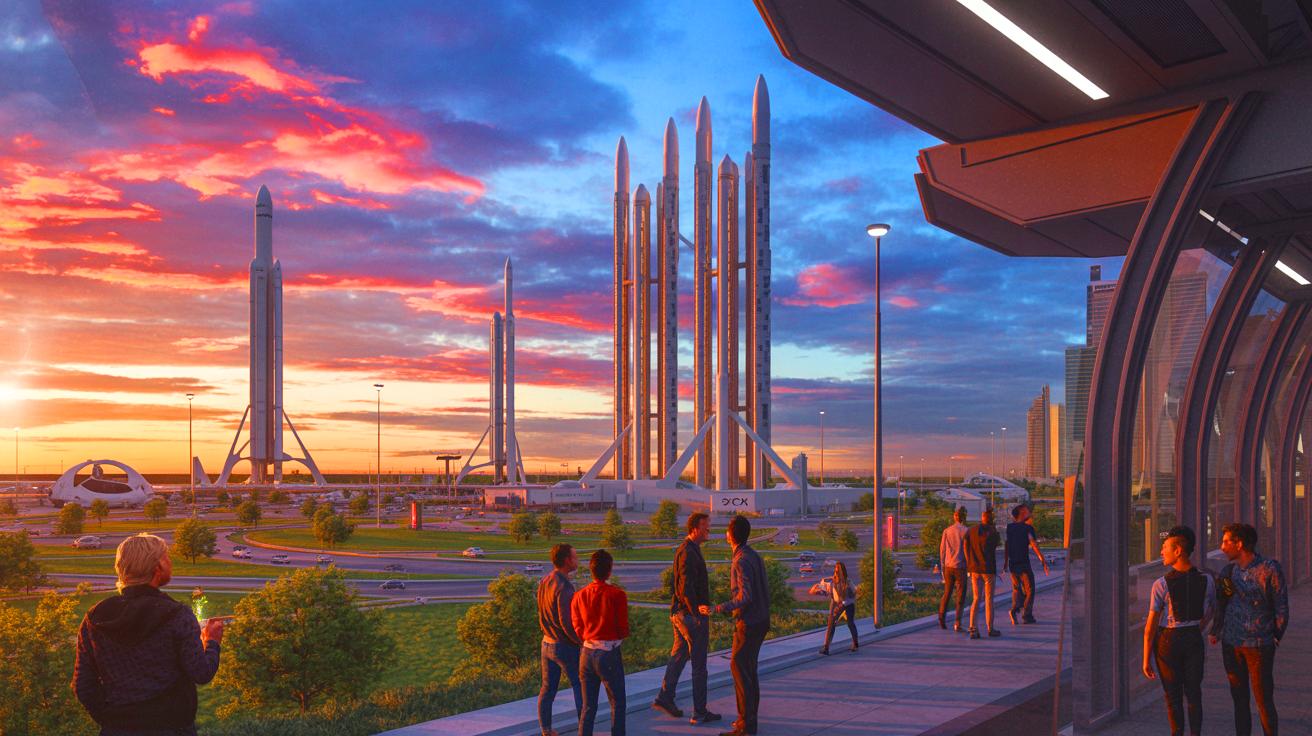
SpaceX, led by Elon Musk, has always aimed to push boundaries. With the creation of Starbase, Musk appears determined to redefine not just space travel but also life on Earth. Starbase is envisioned as a hub of innovation, built around SpaceX’s launch site in Texas. The city is designed to support the company’s long-term goals of space exploration and colonization.
The development of Starbase involves creating a mixed-use environment, featuring housing, offices, retail spaces, and small-scale services. This plan aims to foster a community that aligns with SpaceX’s mission and vision. However, the rapid pace of development and the sweeping changes proposed have sparked concerns among local residents. Many fear that their voices and rights might be overshadowed by the scale of Musk’s ambitions, leading to a growing sense of unease in the community.
Challenges Faced by Local Residents
The prospect of Starbase’s official incorporation has been met with mixed reactions. Before its establishment, roughly 500 people lived in the area, with more than half employed by SpaceX. Yet, the exact number of residents who own their homes remains unclear. The looming threat of new zoning laws has left many feeling uncertain about their future property rights.
Incorporation was decided by a vote among the 283 residents within the city’s limits. With 212 votes in favor and six against, the decision was made. However, the consequences of this vote may now challenge the majority who supported it. As the city moves forward with its plans, residents face the possibility of losing their homes or having to adapt to new zoning regulations that prioritize corporate needs over personal rights.
Environmental and Cultural Concerns
The transformation of Starbase has also raised environmental and cultural concerns. The city’s development could potentially impact the nearby public beach at Boca Chica, a location cherished by environmentalists and indigenous communities. Juan Mancias, president of the Carrizo/Comecrudo Tribe of Texas, has voiced strong opposition to the project. “These hills are sacred to us,” he stated, highlighting the cultural significance of the land that SpaceX aims to transform.
The tension between progress and preservation is palpable, as stakeholders grapple with the potential consequences of development. Environmentalists worry that the expansion of Starbase could lead to ecological disruptions, affecting local wildlife and natural resources. The indigenous community’s concerns about cultural erasure further complicate the narrative, emphasizing the need for a balanced approach that respects both technological advancement and historical legacy.
The Path Forward for Starbase
As the public hearing on June 23 approaches, Starbase residents have limited time to review the proposed zoning plan. With just 72 hours to assess the potential changes, many are left feeling unprepared to make informed decisions. The hearing will be a crucial moment for the community to voice their concerns and seek clarity on how the city’s development will proceed.
In the face of these challenges, the concept of eminent domain looms large. This legal principle allows the government to acquire private land for public use, provided compensation is given based on market value. If SpaceX seeks to leverage this doctrine, residents may find themselves forced to negotiate the terms of their relocation or adaptation. The outcome of these discussions will likely set a precedent for how private and corporate interests are balanced in the burgeoning era of corporate-led urban development.
The unfolding story of Starbase offers a compelling glimpse into the complexities of modern urban development driven by corporate ambition. As Elon Musk and SpaceX forge ahead with their plans, the residents of Starbase face an uncertain future. The balance between innovation and community rights remains a critical issue, one that will undoubtedly influence the trajectory of similar projects worldwide. How will Starbase navigate these challenges, and what lessons will it impart to future endeavors in the realm of corporate-driven urbanization?



Wow, so Starbase is like Elon Musk’s version of a sci-fi city? 🚀
Les droits des résidents sont-ils vraiment menacés par ces nouvelles restrictions de zonage ?
Thank you for shedding light on this issue! It’s important we talk about community rights.
Pourquoi Elon Musk pense-t-il pouvoir s’approprier la terre sacrée des tribus indigènes ? 😡
Je suis curieux de voir à quoi ressemblera Starbase une fois terminée. Peut-être que ça vaudra le coup ? 🤔
Is this really about innovation, or just another step towards corporate dominance?
How do residents feel about potentially losing their homes for this project?
Elon Musk a-t-il répondu aux préoccupations des groupes environnementaux ?
I’m all for progress, but not at the expense of people’s homes and rights.
SpaceX pourrait-il vraiment utiliser le droit d’expropriation pour forcer les résidents à quitter leurs maisons ?