




| IN A NUTSHELL |
|
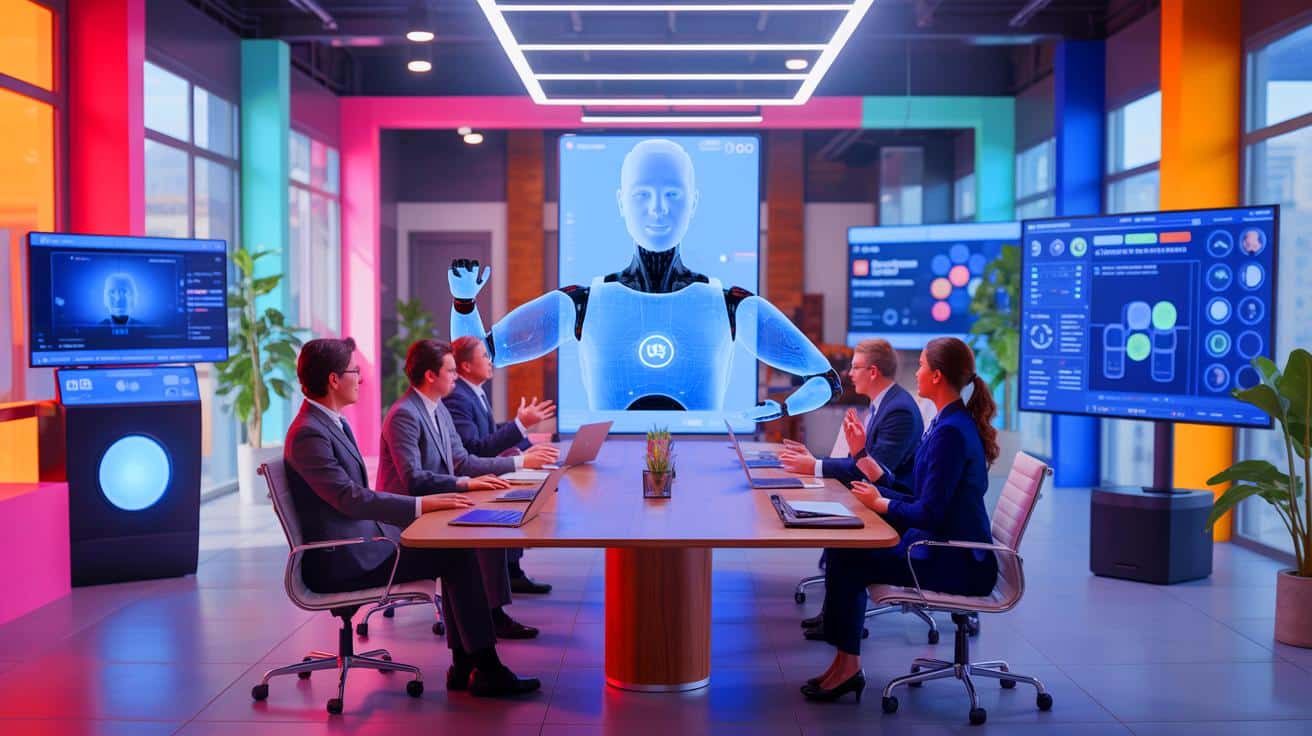
At the TechCrunch Disrupt 2025 conference, Zoom CEO Eric Yuan presented a vision of the future where artificial intelligence (AI) could significantly reshape our work environments. Yuan’s forward-looking statements centered around AI’s potential to reduce the traditional five-day workweek, proposing that AI could take over many routine tasks. This includes an innovative “digital twin” feature that allows AI avatars to represent individuals in meetings and other professional interactions. Such advancements, Yuan argued, could enhance productivity and communication, ultimately changing how we perceive and organize work.
The Rise of AI in Professional Settings
AI has been making significant strides in professional environments, and according to Eric Yuan, these advancements are just the beginning. At the TechCrunch Disrupt 2025 conference, he illustrated how AI could revolutionize the workplace. One of the most intriguing features introduced by Zoom is the “digital twin.” This AI avatar can represent a person in meetings, speaking on their behalf. Yuan’s demonstration of this technology during an earnings call highlighted its potential to push the “boundaries of communication.”
By employing AI in such a manner, employees could save valuable time and focus on more strategic tasks. The digital twin is not just a novelty; it represents a deeper integration of AI into daily operations. The ability of AI to handle routine interactions can lead to a more efficient workflow, reducing the time spent on mundane tasks. This, in turn, may allow employees to focus on more complex challenges and innovative solutions within their organizations.
AI’s Broader Applications and Implications
Beyond video conferencing, Yuan envisions a multitude of applications for AI in the workplace. He described scenarios where business executives could utilize AI to facilitate contract negotiations. Instead of spending hours on calls, digital twins could work together to draft agreements, saving time and resources. This approach could streamline processes and potentially lead to quicker decision-making.
AI’s benefits extend beyond meetings. Yuan highlighted how AI could manage emails, sorting through messages to identify those that require attention. Such a system could drastically reduce the time spent on email correspondence, a task that often occupies a significant portion of the workday. AI’s ability to prioritize and manage communications could be a game-changer in improving productivity. It presents a future where technology eases the burden of administrative tasks, allowing workers to maximize their potential in other areas.
Transforming Work Culture
Yuan’s vision for AI goes hand-in-hand with transforming the traditional workweek. He suggested that the integration of AI could lead to a reduction in the number of days worked each week. His projections foresee a future, possibly within five years, where a three or four-day workweek becomes the norm. This shift would not only enhance work-life balance but also increase job satisfaction and overall well-being.
AI’s role in transforming work culture is profound, as it could redefine productivity and efficiency standards. By taking over repetitive tasks, AI allows employees to dedicate their energy to creative and strategic endeavors. This change challenges the conventional structure of work and offers a glimpse into a future where technology serves as a partner in achieving more meaningful and balanced work experiences.
Challenges and Considerations
While the potential benefits of AI are significant, Yuan acknowledged the challenges that come with its implementation. One major consideration is ensuring that AI tools are designed and used ethically. As AI takes on more responsibilities, it is crucial to maintain transparency and address any concerns regarding privacy and data security. Companies will need to invest in developing robust guidelines and practices to manage these challenges effectively.
Moreover, there is the question of workforce adaptation. As AI tools become more prevalent, employees will need to acquire new skills to work alongside these technologies. Organizations must be proactive in providing training and development opportunities to ensure employees are prepared for these changes.
AI’s impact on the workforce requires careful planning and thoughtful implementation to ensure a smooth transition.
This includes fostering a culture of continuous learning and adaptation, which is essential for maximizing the potential of AI in the workplace.
The conversation initiated by Eric Yuan at the TechCrunch Disrupt 2025 conference provides a thought-provoking glimpse into the future of work. His insights into AI’s potential to shorten the workweek and transform professional interactions are both exciting and challenging. As we move forward, the question remains: How will organizations balance the integration of AI with the human elements of work to create a more efficient and satisfying work environment?

Isn’t it ironic that AI is supposed to give us more free time, yet we always seem busier than ever? 🤔
This sounds amazing! But how realistic is a 3-day workweek in the near future? 🤔
Sounds great! But what happens to those of us who still like the human touch in meetings?
Thanks, Eric Yuan, for giving us hope! Can’t wait for AI to handle my endless emails. 😊
Thank you, Eric! Finally, someone is thinking about work-life balance. 🙌
Digital twins? Sounds like something out of a sci-fi movie! Are we ready for this?
AI taking over routine tasks sounds amazing, but what about the potential job losses?
Can AI really understand the nuances of human communication in meetings?
Shorter workweeks sound great, but what happens to jobs that can’t use AI? 🤷♂️
Shorter workweeks? Sign me up! 🚀
AI managing my emails? Finally, someone understands my struggle! 😅
I’m skeptical. Won’t AI just add another layer of complexity to our work?
Does this mean I can send my digital twin to meetings while I stay in my pajamas? 😂
This could be revolutionary if implemented correctly. Thanks for sharing!
Digital twins in meetings? I hope mine is more charismatic than me. 😂
I’m a bit skeptical. Can AI really handle the nuances of human communication?
What kind of training will employees need to keep up with this AI revolution?