





| IN A NUTSHELL |
|
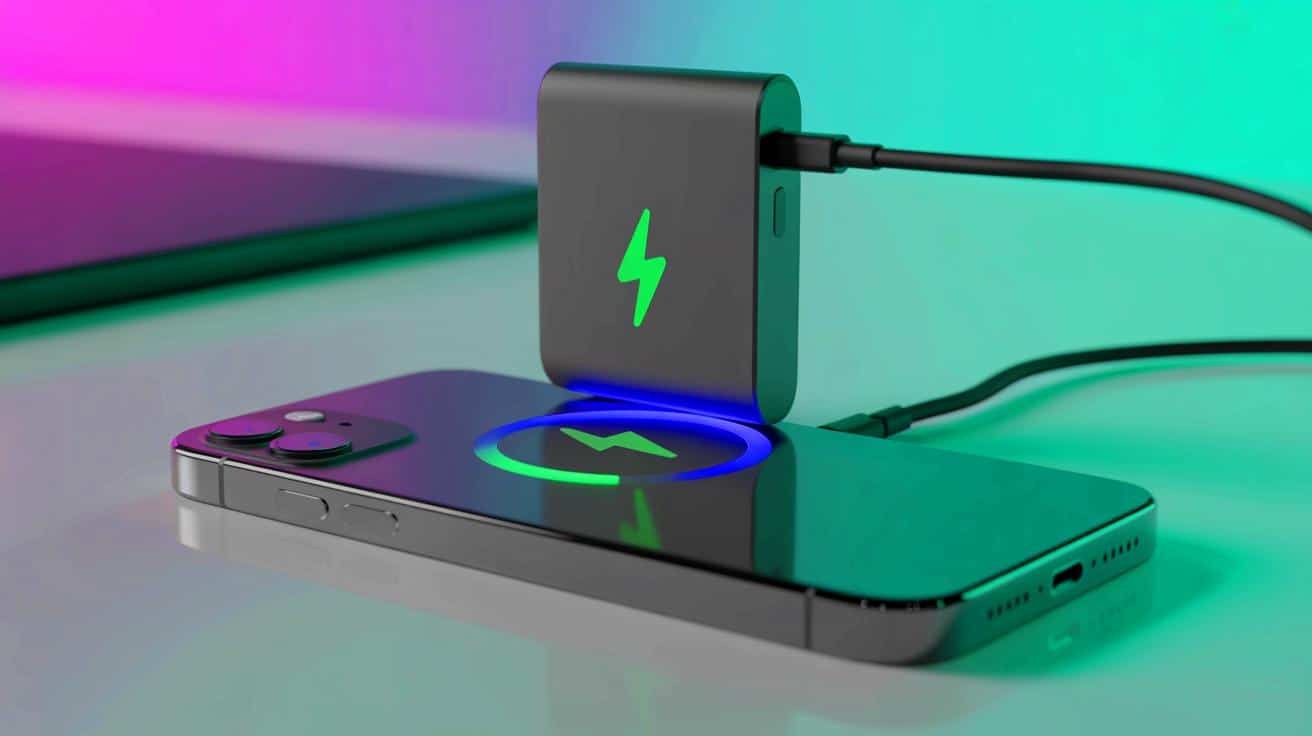
The latest iPhone 17 series has introduced a feature that promises to significantly reduce charging time, a development that many consumers will likely find appealing. However, achieving this rapid charge requires more than just the phone itself. The technology behind this fast charging capability involves a new type of charger that may require users to make an additional purchase. As Apple showcases this enhanced charging speed, questions arise about the compatibility and overall necessity of acquiring a new charger to fully leverage this feature. This article delves into the intricacies of the iPhone 17’s charging technology and its implications for users.
Understanding the New Charging Standard
Apple’s iPhone 17 lineup boasts an impressive charging capability, allowing users to reach 50% battery in just 20 minutes. This rapid charge is made possible by the introduction of the Apple Dynamic 40 to 60W charger. At the heart of this system is the Adjustable Voltage Supply (AVS) technology. AVS is designed to optimize power delivery while minimizing heat, which in turn reduces battery wear over time. This technology is an evolution of the Programmable Power Supply (PPS), offering predefined voltage levels for more efficient charging.
The charger’s maximum power output is described as “60W Max,” but this is not a constant figure. In real-world usage, the charger reaches 60W for approximately 18 minutes before dropping back to 40W. This behavior has been confirmed by various tests, including those from a Reddit user known as privatebok and technology analysts at Notebookcheck. They observed that while Apple’s charger briefly maintains a high power output, it eventually stabilizes at a lower level, ensuring a balance between speed and safety.
Technical Challenges and Compatibility Issues
Despite the promising performance, the new charging system is not without its challenges. Users must face the reality of compatibility issues with existing chargers. To unlock the maximum charging speed, a charger supporting USB-PD 3.2 SPR AVS is necessary. Currently, Apple is the only company offering a compatible model, leaving those with older or third-party chargers unable to utilize the full potential of the iPhone 17.
This limitation poses a significant hurdle for consumers who may not be willing to invest in a new charger. Many existing chargers are limited to PD 3.0 or PPS standards, which do not provide the fine-tuned power delivery that AVS offers. As a result, users relying on older chargers may experience slower charging speeds, negating the benefits of the iPhone 17's advanced capabilities.
Heat Management and Safety Considerations
With faster charging comes the challenge of heat management. Apple's new charger has been designed to handle this by maintaining a temperature of up to 62°F, which is significantly lower than the 82°F observed with a third-party 40W Aohi charger. This indicates a focus on safety and efficiency, as excessive heat can lead to battery degradation and even pose a safety risk.
The temperature control is crucial for maintaining battery health over time. By reducing heat production, the AVS technology not only speeds up the charging process but also protects the device from potential damage. This careful balance of power and temperature highlights Apple's commitment to providing a reliable and safe user experience.
The Consumer Dilemma: Upgrade or Wait?
The introduction of this new charging technology presents a dilemma for consumers. On one hand, the promise of significantly reduced charging times is enticing, especially for users who rely heavily on their devices throughout the day. On the other hand, the requirement to purchase a new charger to fully benefit from this feature may deter some from upgrading.
For those weighing the decision, it boils down to whether the convenience of faster charging justifies the additional expense. While early adopters and tech enthusiasts may embrace the change, others may choose to wait for broader compatibility or a drop in accessory prices. Ultimately, the decision will vary based on individual needs and priorities.
As Apple continues to innovate in the realm of smartphone technology, the introduction of the iPhone 17's rapid charging capability raises important questions about consumer behavior and technology adoption. Will users prioritize speed and efficiency over cost, or will the need for new accessories become a barrier to adoption? This ongoing balance between innovation and practicality presents a fascinating challenge for both Apple and its consumers.



Wow, another charger to buy? My wallet is crying already! 😅
Wow, another charger to buy? Apple sure knows how to keep us spending! 😂
Does this mean my old charger is completely useless now? 🤔
Pourquoi Apple ne peut-il pas simplement rendre les anciens chargeurs compatibles avec les nouveaux iPhones ? 🤔
Why does Apple always make us buy new accessories for each phone release? Frustrating.
I’m excited about faster charging, but $60 for a charger is a bit steep!
60 dollars pour un chargeur, c’est un peu exagéré, non ?
Can I use a third-party charger and still get decent charging speeds?
Thank you for the heads up! I almost bought the iPhone 17 without knowing this. 😊
Thanks for the heads-up! I was about to buy a third-party charger. 😬
Does anyone know if this new charger will work with older iPhone models?
Another day, another Apple money grab. 😒
Does this mean my old charger is useless now? That’s frustrating!
I guess I’ll wait for a sale before getting this charger. Patience is key!
Apple’s innovation is great, but it comes at a cost. Literally.