





| IN A NUTSHELL |
|
In the ever-evolving landscape of smartphones, Apple continues to capture the attention of consumers worldwide with each new release. The recent unveiling of the iPhone 17 series introduced a new player in the lineup: the iPhone Air. With its sleek design and record-breaking thinness, it raises questions about its true value. Is the iPhone Air a mere technical showcase or a genuine innovation? This article dives into the details of the iPhone Air and its place in Apple’s strategy, comparing it to its siblings, the iPhone 17 and iPhone 17 Pro.
Unprecedented Thinness At A Cost
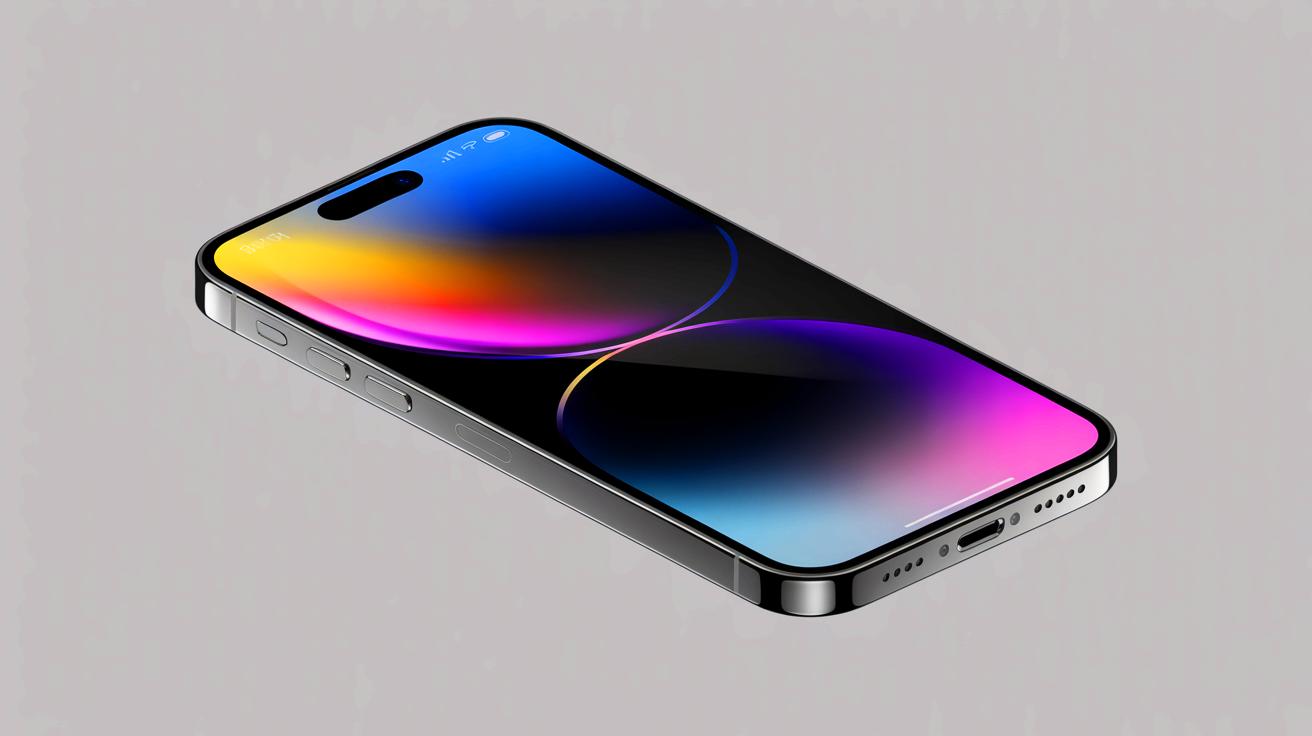
The iPhone Air’s standout feature is its remarkable thinness of 5.6 mm and a weight of just 165 grams. This makes it the thinnest iPhone ever produced. Its titanium frame adds an element of elegance to its design, while the 6.5-inch Super Retina XDR display with ProMotion technology matches that of the iPhone 17 Pro. On the surface, these features are impressive. However, the compromises made to achieve this design reveal a different story.
The most significant trade-off involves the camera. Unlike the iPhone 17’s dual-camera system, the iPhone Air offers only a single 48 MP main camera. The absence of an ultra-wide-angle lens, a staple in iPhones for years, is a notable omission. Additionally, Apple has introduced a slightly downgraded version of the A19 Pro chip, featuring five GPU cores instead of six, which limits its performance compared to the iPhone 17 Pro.
Audio quality is another area where sacrifices are evident. The iPhone Air features only one speaker, reducing the stereo sound experience. This downgrade impacts the enjoyment of multimedia content. Moreover, the inclusion of a USB-C port limited to USB 2 standards and slower wireless charging capabilities further highlight the limitations of this model.
Comparing The iPhone Air With Its Siblings
To truly understand the iPhone Air’s position, a comparison with the iPhone 17 and iPhone 17 Pro is essential. The following table highlights key differences:
| iPhone 17 | iPhone Air | iPhone 17 Pro | |
|---|---|---|---|
| Screen | 6.3-inch Super Retina XDR (120 Hz) | 6.5-inch Super Retina XDR (120 Hz) | 6.3-inch Super Retina XDR (120 Hz) |
| Chip | A19 (5 GPU cores) | A19 Pro (5 GPU cores) | A19 Pro (6 GPU cores) |
| Cameras | Dual (48 MP Main, 48 MP Ultra-wide) | Single (48 MP Main) | Triple (48 MP Main, 48 MP Ultra-wide, 48 MP Telephoto) |
| Optical Zoom | 0.5x, 1x, 2x | 1x, 2x | 0.5x, 1x, 2x, 4x, 8x |
| Finish | Aluminum Frame | Titanium Frame | Unibody Aluminum |
| USB-C Connector | USB 2 | USB 2 | USB 3 |
| Thickness | 7.95 mm | 5.64 mm | 8.75 mm |
| Launch Price | Starting at 969€ | Starting at 1,229€ | Starting at 1,329€ |
The comparison is stark. While the iPhone Air offers a slightly larger screen and a marginally faster chip than the iPhone 17, it lacks essential features like the ultra-wide camera. The iPhone 17 Pro, for only 100€ more than the Air, provides a significantly enhanced photographic experience, faster connectivity with USB 3, and additional features like ProRAW and ProRes formats. The iPhone Air thus struggles to justify its price point within the lineup.
Apple’s Strategic Play: Marketing Genius?
The release of the iPhone Air raises an important question: why would Apple launch a product with such evident shortcomings at a premium price? Some speculate that it serves as a showcase of Apple’s engineering prowess, particularly in achieving record-breaking thinness. Others suggest it is a precursor to more innovative designs, such as a future foldable iPhone. However, a more pragmatic explanation emerges from Apple’s marketing strategy.
The iPhone Air may indeed be a masterstroke in “upselling.” By intentionally designing a model with attractive but limited features, Apple subtly encourages consumers to consider the more feature-rich iPhone 17 Pro. The logic is straightforward: if a customer is willing to spend 1,229€, an additional 100€ for substantially enhanced capabilities becomes an enticing proposition.
This approach could make the iPhone Air successful, not through direct sales, but by steering customers towards higher-end models. It’s a strategy that could redefine how tech companies approach product lineups.
Consumer Implications And Market Response
The introduction of the iPhone Air not only highlights Apple’s innovative capabilities but also reflects broader trends in consumer electronics. Companies are increasingly exploring ways to differentiate their products within competitive markets. The iPhone Air exemplifies how a product can serve dual purposes: showcasing technological advancements and driving sales of more profitable models.
Apple’s strategy may influence other tech giants to adopt similar approaches, leveraging specific features to guide customer choices. The iPhone Air’s reception will likely impact future product development and marketing tactics across the industry. As consumers, this raises questions about the balance between innovation and value. Are we witnessing a shift in how companies engage with their audiences?
As Apple’s latest addition to its iPhone lineup, the iPhone Air provides insights into the company’s strategic direction and market positioning. While it showcases remarkable thinness, its compromises may hinder widespread adoption. The real question remains: Will consumers embrace the iPhone Air as a testament to innovation, or see it as a calculated move to elevate other models in the lineup?



Is Apple serious with this price for less features? 🤔
Is it really worth paying $260 more for a thinner phone with fewer features? 🤔
Apple must be joking with this one! 😂
Thanks for the info! I was considering the Air, but now I’ll stick with my 17 Pro.
Can someone explain why thinness is prioritized over camera quality? 📸
Why does thinness matter so much if it means losing essential features? 😕
Thanks for the heads-up! I almost pre-ordered. 🙌
Apple’s marketing strategy is genius, even if it feels like a rip-off sometimes. 😂
I love the sleek design, but the missing features are a dealbreaker. 😒
Can someone explain the point of a single camera in 2025?
Anyone else feel like this is Apple’s way of pushing us to buy the Pro model?
Apple just wants us to spend more money. The Air is a joke!
What’s the point of a single camera in 2025? 😅