





| IN A NUTSHELL |
|
Apple’s anticipated release of the iPhone 17 Air marks a significant shift in smartphone design, signaling a move towards a fully wireless future. This upcoming model is rumored to be Apple’s slimmest yet, abandoning traditional ports like USB-C in favor of a seamless, portless design. Such a transformative change could redefine what consumers expect from their devices. As Apple aligns this new model with the lightweight ethos of the MacBook Air, the industry watches closely to see how this bold step will influence user experience and market dynamics.
The iPhone 17 Air: A New Era of Portless Design
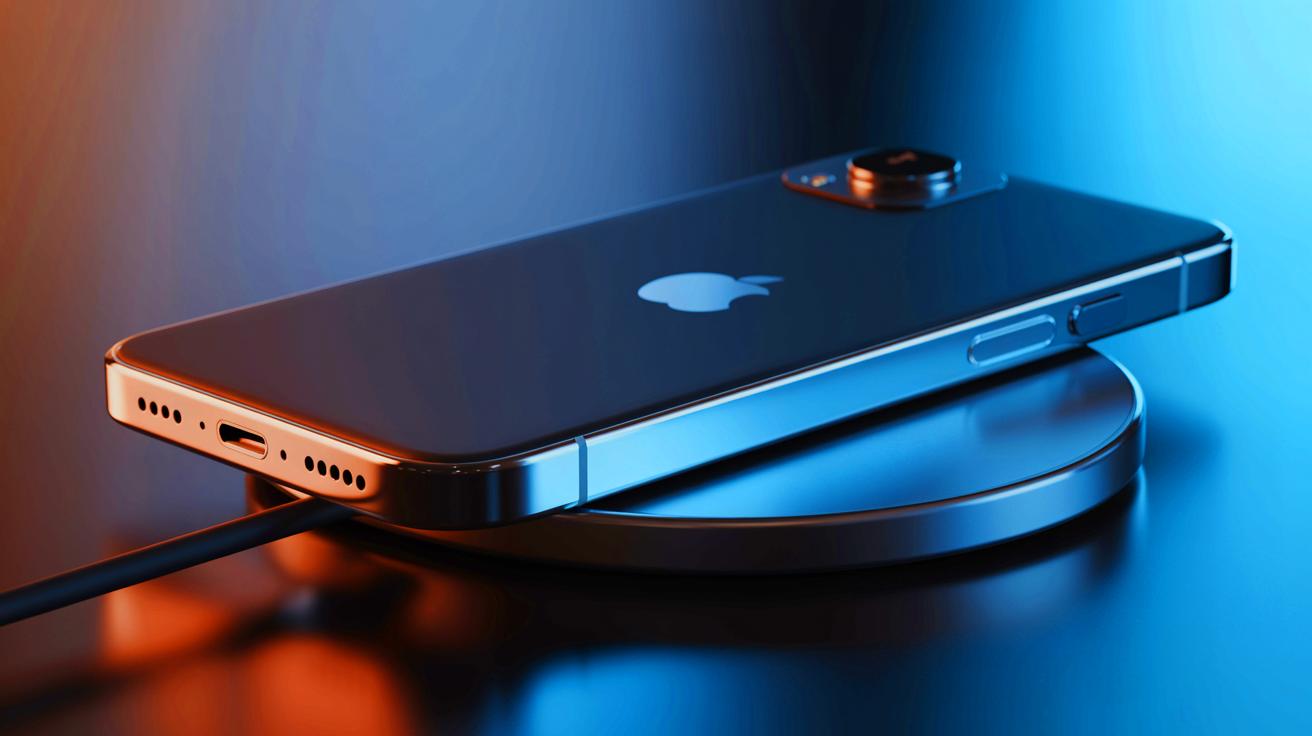
The iPhone 17 Air is set to revolutionize Apple’s smartphone lineup with its extreme thinness and lack of traditional features. Industry sources suggest that this model will eliminate familiar components such as the SIM card slot and secondary speakers, opting instead for a fully streamlined look. Most notably, the absence of a USB-C port highlights Apple’s commitment to a wireless future, potentially setting a trend for other manufacturers to follow.
This design philosophy echoes the MacBook Air’s success, where minimalism and portability were prioritized over conventional features. A mid-tier offering with a 6.6-inch display, the iPhone 17 Air could serve as a bridge between Apple’s entry-level and premium models, possibly introducing an “Ultra” variant to replace the Pro Max. This strategic move aims to attract consumers who value design and portability, potentially spurring iPhone sales by setting new benchmarks in smartphone innovation.
The question remains whether these radical design choices will redefine consumer expectations. Will the iPhone 17 Air’s pioneering approach establish a new standard in smartphone design?
European Regulations: Navigating the USB-C Mandate
Apple’s potential elimination of the USB-C port from the iPhone 17 Air must be viewed in light of European regulatory requirements. The European Union has mandated USB-C ports for all mobile devices, a measure intended to reduce electronic waste and enhance the user experience. Apple, having complied with this directive for its iPhone 15 and 16 models, may now diverge from this path with the iPhone 17 Air.
The European Commission has suggested that a fully wireless charging option that matches or exceeds the convenience of traditional ports could exempt Apple from the USB-C mandate. To this end, Apple is enhancing its MagSafe technology to align with the Qi2 wireless charging standard, thereby maintaining compatibility with other devices. This strategy could pave the way for a new era of smartphones devoid of physical charging ports, although Apple appears to be gauging consumer reaction before fully committing to this transition.
The potential for a portless smartphone raises important questions about usability and consumer acceptance. Will the iPhone 17 Air lead to a truly wireless smartphone future?
Choosing the Right Smartphone: Expert Buying Guides
In a market flooded with options, selecting a smartphone that suits your needs can be challenging. Whether you’re choosing between the latest iPhone models or Samsung’s Galaxy series, our carefully curated buying guides are invaluable resources. These guides provide detailed insights into the best smartphones available, tailored to different user preferences.
Our guides cover a variety of categories, including:
- The Best Smartphones
- The Best iPhones
- Top Smartphones for Photography
- Longest Battery Life Smartphones
- Best Smartwatches
Each guide offers a thorough analysis of the strengths and weaknesses of different devices, ensuring you find a smartphone that aligns with your lifestyle. Are you ready to discover the smartphone that best suits your life?
The Future of Smartphones: A Portless Reality?
The introduction of the iPhone 17 Air represents a critical juncture in smartphone development. By potentially removing physical ports, Apple is not just following design trends but is actively challenging industry standards. This innovation could redefine user expectations and influence future smartphone designs worldwide.
As we look forward, the implications of a portless smartphone suggest a dynamic shift in how we interact with our devices. Consumers may need to adjust to new charging methods and connectivity solutions, while manufacturers might push the boundaries of wireless technologies further. This evolution prompts a pivotal question for users and developers alike. As we embrace a portless future, what new innovations will emerge, and how will they transform our daily interactions with technology?



Apple is really pushing the limits! But what about those of us who still prefer cables? 🤔
Est-ce qu’on va bientôt devoir acheter un adaptateur pour respirer ? 😂
So, no more ports? What if I want to charge and listen to music at the same time? 🎧🔋
Apple fait encore des siennes ! Sont-ils prêts à défier les lois européennes ?
Is this a case of innovation for innovation’s sake? Or does Apple have a bigger plan in mind?
Un iPhone sans port ? Mais comment vais-je charger mon téléphone dans l’avion ?
Excited to see how Apple will handle the European regulations with this bold move!
Wow, Apple going portless! Can’t wait to see how competitors will respond. 😮
Je suis curieux de voir comment cela va fonctionner, mais ça semble un peu trop futuriste pour moi.
Looks like Apple is leading us into a truly wireless future. Goodbye, tangled cables!
J’espère qu’ils ne vont pas oublier de compenser par une meilleure batterie.
Not sure how I feel about no USB-C… What if wireless charging isn’t as fast?