





| IN A NUTSHELL |
|
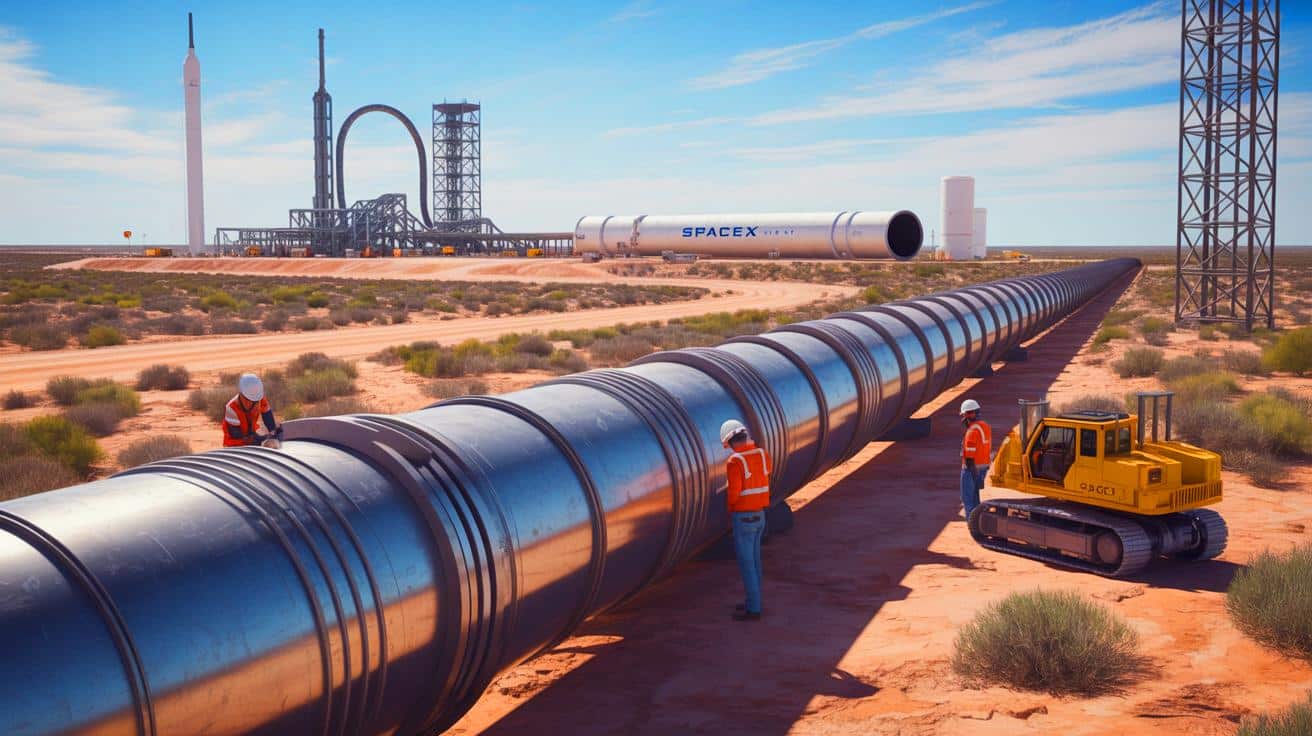
The recent developments in Starbase, Texas, highlight a significant shift in infrastructure strategy as SpaceX embarks on constructing a water pipeline from Brownsville to its newly incorporated city. This pipeline is set to replace the current water delivery system, which relies on truck-hauled water for SpaceX employees and residents. However, this change brings to light complex issues regarding water access and the evolving nature of corporate governance in newly formed municipalities.
SpaceX’s Water Pipeline: A New Era in Infrastructure
SpaceX’s initiative to lay a water pipeline from Brownsville to Starbase marks a pivotal moment in the company’s logistical operations. Until now, potable water has been trucked to the site, limiting daily access to 60,000 gallons. This cap, set by the Texas Commission on Environmental Quality, has constrained SpaceX’s ability to expand amenities and housing for its workforce. The new pipeline agreement with the Brownsville Public Utilities Board (BPUB) redefines SpaceX as an in-city nonresidential customer, granting it favorable rates.
Under this arrangement, SpaceX has committed to funding and constructing the necessary infrastructure to deliver water to a metering point within Brownsville’s city limits. From there, SpaceX will manage the water transport to Starbase. This strategic move not only alleviates logistical bottlenecks but also signifies SpaceX’s growing footprint in the region. Yet, the transition raises questions about the broader implications for non-SpaceX residents in the vicinity.
Community Concerns and Water Access Challenges
While the pipeline promises improved water access for SpaceX employees, the situation for local residents is less clear. In a controversial move, nearly 40 properties along the pipeline route were cut off from the county water service. Cameron County had previously provided water as a courtesy, but it now considers water provision to be Starbase’s responsibility. This abrupt change has sparked concerns about public health and safety.
Starbase city officials argue that they lack the legal and operational capacity to supply water to these residents. In response, SpaceX has offered an “unconditional and perpetual agreement” to residents, granting them access to Starbase’s water system only if they agree to vacate the area during SpaceX’s operational activities. This proposal has been met with skepticism, as it includes clauses that absolve SpaceX from any obligation to provide consistent or quality water service.
The Role of Starbase: A New Municipal Entity
Starbase’s recent incorporation as a city, governed by SpaceX executives, represents a novel approach to municipal governance. The city was officially established in May, with the majority of its land owned by SpaceX. Only a handful of properties within the proposed boundary were not owned by the company. This strategic move allows SpaceX to streamline its operations and control municipal services within the city limits.
SpaceX has already developed a state-regulated drinking-water system, complete with a substantial storage tank and necessary hardware to support its operations. Although this system is small compared to typical city utilities, it is adequate for the on-site needs of SpaceX’s industrial activities. However, the city’s role is limited; it does not provide utility services, which remain under SpaceX’s purview. This arrangement means that any water access for neighboring residents is contingent on SpaceX’s discretion.
Legal and Regulatory Implications
The legal framework surrounding SpaceX’s water pipeline and service provision is complex. SpaceX has not obtained a Certificate of Convenience and Necessity (CCN) from the Texas Public Utility Commission, which would authorize it to retail water. Without this certification, SpaceX is not legally obligated to serve third parties. This regulatory gap raises questions about the rights of non-SpaceX residents and the company’s long-term plans for public utilities.
As SpaceX continues to expand its operations in Starbase, the absence of a CCN leaves many uncertainties about future water access. The company’s silence on whether it will offer public utility services further complicates the situation. This regulatory ambiguity underscores the need for clear guidelines and oversight as corporate entities like SpaceX play increasingly significant roles in municipal governance and resource management.
The construction of SpaceX’s water pipeline to Starbase reflects a broader trend of corporate influence in local governance and infrastructure development. While the pipeline promises to enhance operational efficiency for SpaceX, it also highlights the challenges of balancing corporate interests with community needs. As SpaceX navigates its dual role as a corporate entity and municipal authority, the implications for access to essential resources like water remain uncertain. How will this evolving dynamic shape the future of public utilities and community relations in such unique corporate municipalities?

Est-ce que SpaceX prévoit de résoudre les problèmes d’accès à l’eau pour les résidents locaux non affiliés à l’entreprise ? 🤔
Je trouve ça fascinant comment une entreprise peut littéralement créer une ville !
C’est un peu effrayant que SpaceX ait autant de contrôle sur une ville entière… 😬
Pourquoi SpaceX n’a-t-il pas obtenu le certificat nécessaire pour fournir de l’eau à d’autres parties ?
Merci à SpaceX pour avoir amélioré l’accès à l’eau pour ses employés ! 💧
Ça fait un peu dystopique, non ? Une ville gérée par une entreprise…
Wow, SpaceX construit des pipelines maintenant ! Rien ne les arrête. 🚀
Les résidents locaux sont-ils d’accord avec ces changements ?
SpaceX devrait s’assurer que tous les résidents de la région aient accès à l’eau. C’est essentiel !
Qui aurait cru que SpaceX se lancerait dans la gestion municipale ?
J’espère que ce nouveau pipeline ne nuira pas à l’environnement local. 🌿