



From a digital model to a printed object
A 3D printer starts with a digital design, usually made in computer-aided design software. Before printing, another program divides the model into thin horizontal layers. It then sends instructions to the printer, guiding where to place or fuse material at each stage.
This layer-by-layer process is called additive manufacturing. It differs from methods that cut a shape out of a larger block or cast material inside a mould. Because the printer adds material only where the design requires it, the process can reduce waste and make shapes that are difficult to produce using conventional techniques.
The printer then follows the digital instructions, repeating the process until the object is complete. Depending on the machine, this can take minutes, hours or even longer. Some parts also need finishing, such as cleaning, curing, polishing or removing temporary support structures.
Different printers use different methods
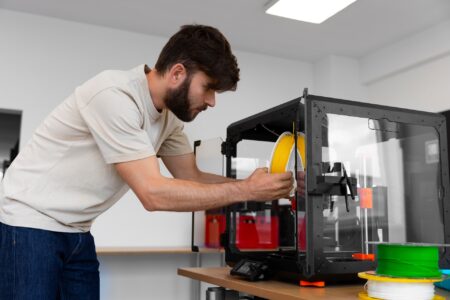
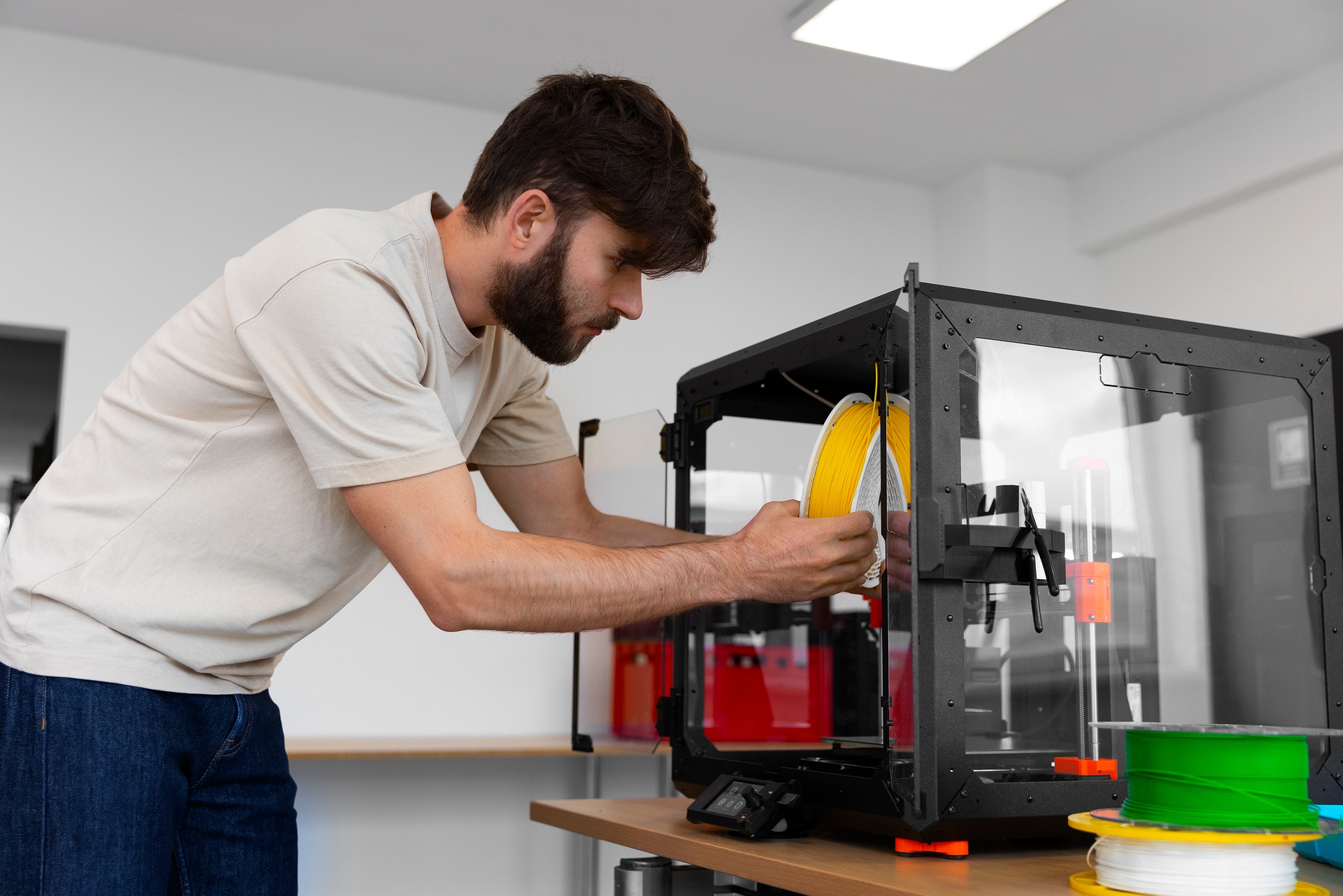
The familiar desktop printer usually uses material extrusion. It heats a plastic filament and pushes it through a nozzle. The nozzle traces each layer, and the new material bonds to the layer below.
Other machines use light to harden liquid resin. This method can create fine details, making it useful for small, intricate objects. Industrial printers may instead spread a thin layer of powder and use a laser or electron beam to fuse selected areas. These systems can produce functional metal components, although they require specialised equipment and careful quality control.
The material matters as much as the printer. Depending on the process, machines can work with polymers, metals, ceramics and other materials. A plastic printer used to make a prototype, for example, cannot simply be loaded with metal powder to produce an aerospace component.
Why industries use 3D printing
One major advantage is design freedom. Engineers can create lightweight structures, internal channels and complex shapes that would be difficult or costly to make with some traditional methods. They can also modify a digital design and produce a new version without building a dedicated mould.
That flexibility makes the technology useful for prototypes and products made in small quantities. In healthcare, manufacturers can produce items tailored to individual needs. In aerospace, companies use additive manufacturing to explore complex components and reduce material use. Researchers are also studying how 3D printers could make tools and equipment during space missions, where resupplying parts from Earth is difficult.
However, a design that prints successfully still needs to meet strict requirements. A part used in a machine or aircraft must be tested for strength, consistency and durability. The printing process, material and finishing steps can all affect the final result.
What 3D printing cannot do
3D printing is not always the fastest or cheapest way to manufacture an object. For large runs of simple products, moulding or other established processes may be more efficient. Some printed parts need extensive finishing, and industrial printers can require significant investment.
The technology also demands careful preparation. Designers may need to adapt a model for printing, choose the right orientation and add supports. Small changes in print settings can affect the surface or strength of a part.
For these reasons, 3D printing works best as one tool in a wider manufacturing system. It gives designers and manufacturers new ways to produce complex or customised objects. But traditional production methods remain better suited to many high-volume products.