





| IN A NUTSHELL |
|
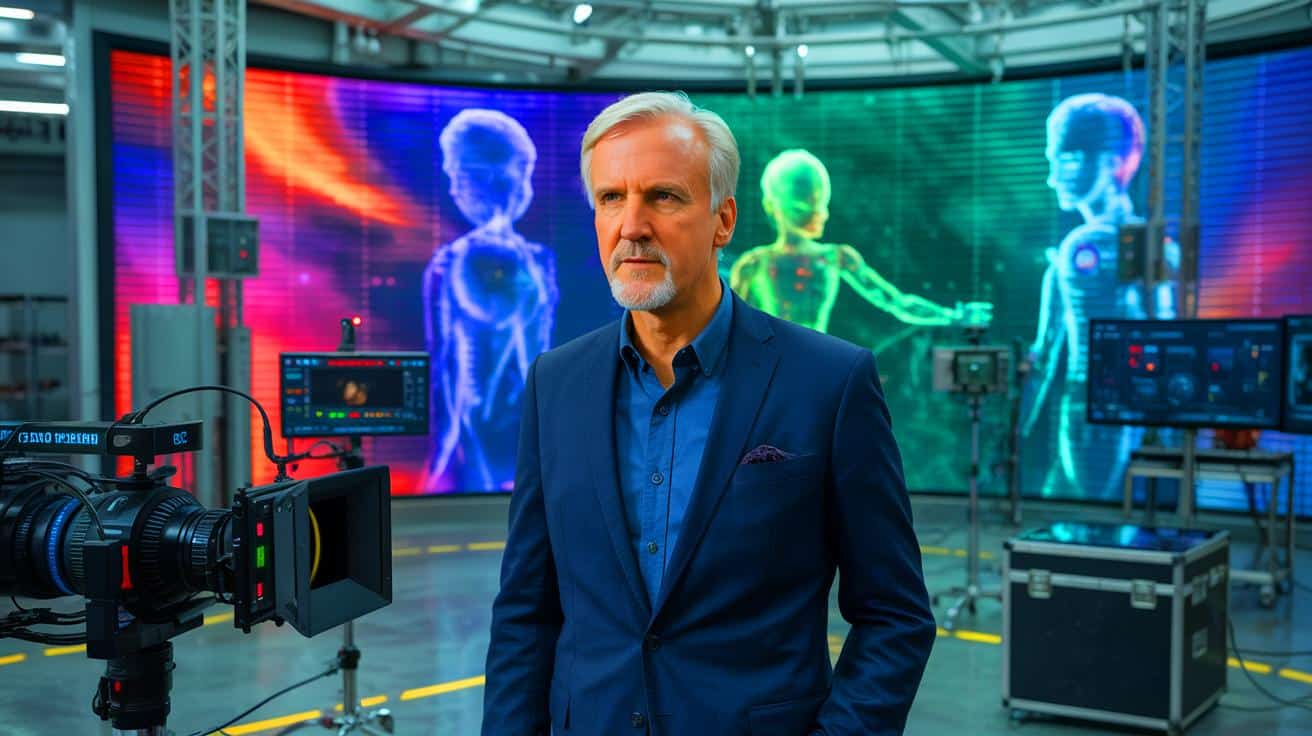
James Cameron, renowned for his groundbreaking work in visual effects, especially through the “Avatar” series, has voiced strong opinions on the rise of generative AI in filmmaking. While Cameron’s films have consistently pushed the boundaries of technology with performance capture, he distinguishes this method sharply from generative AI. In a recent interview, he emphasized that performance capture enhances the actor’s role, whereas generative AI can fabricate entire performances from scratch. This distinction highlights a growing debate in the entertainment industry about the role of AI in creative processes and the potential implications for actors and filmmakers alike.
Performance Capture: A Celebration of Human Talent
James Cameron’s “Avatar” series has been a testament to the power of performance capture technology. This technique allows filmmakers to record an actor’s movements and expressions, translating them into digital characters without losing the nuances of human performance. Cameron argues that performance capture is not about replacing actors but rather amplifying their abilities. He believes it is a collaborative effort between the actor and director to bring a character to life, preserving the authenticity of human expression.
In an era where technology often threatens to overshadow human creativity, Cameron’s approach underscores the importance of the actor’s role. The use of performance capture in “Avatar” is a testament to the potential of technology to enhance artistic expression rather than diminish it. The process involves actors performing in a controlled environment, such as the 250,000-gallon water tank used for underwater scenes in the upcoming “Avatar: Fire and Ash.”
Generative AI: A New Frontier or a Threat?
Generative AI has become a hot topic in the entertainment industry, offering the ability to create characters and performances from textual prompts. While this technology has its advantages, such as reducing production costs and time, it raises significant ethical concerns. Cameron’s critique of generative AI stems from its potential to fabricate performances without human involvement, which he finds “horrifying.”
The director’s concerns are shared by many in the industry who worry about the implications for actors and the authenticity of performances. Generative AI could lead to a future where human actors are sidelined in favor of digital creations, raising questions about the nature of art and creativity. Cameron’s stance is clear: the magic of filmmaking lies in the human experience, and technology should serve to enhance, not replace, this element.
New Aircraft Challenge Starlink: Fly 6 Days, Connect 500,000 People, Cover 15,000 Square Miles
The Broader Implications for the Film Industry
The debate over generative AI and performance capture reflects broader trends in the film industry. As technology continues to evolve, filmmakers are faced with decisions about how to integrate new tools into their creative processes. While some embrace the possibilities of AI, others, like Cameron, advocate for a balanced approach that prioritizes human talent.
This ongoing dialogue is crucial as it influences the future of filmmaking and the role of technology in creative endeavors. As generative AI becomes more sophisticated, it will be essential for industry leaders to establish guidelines and ethical standards. These discussions will shape not only the way films are made but also the types of stories that are told and the experiences they offer audiences.
What Lies Ahead for Actors and Directors?
As the film industry navigates the challenges and opportunities presented by generative AI, the roles of actors and directors are likely to evolve. Cameron’s perspective highlights the importance of maintaining a focus on human creativity and collaboration. Directors may need to adapt their methods to incorporate new technologies while preserving the integrity of the actor-director relationship.
For actors, the rise of AI presents both challenges and opportunities. While there is a risk of digital characters overshadowing human performers, there is also potential for new forms of artistic expression. As the industry grapples with these changes, the question remains: how can filmmakers harness the power of technology without losing the essence of human storytelling?
James Cameron’s insights into the use of technology in filmmaking offer valuable perspectives on the future of the industry. As generative AI continues to advance, the film community will need to address the ethical and creative challenges it presents. The key question is how to balance technological innovation with the preservation of human creativity. How will filmmakers navigate this complex landscape to ensure that the art of storytelling remains vibrant and authentic?

James Cameron a toujours des opinions bien tranchées sur la technologie. Pensez-vous qu’il a raison cette fois-ci ? 🤔
James Cameron is always raising interesting points. Do you think his position on AI will influence other directors? 🤔
Merci James Cameron pour soulever ce débat important. La créativité humaine doit être préservée !
Wow, I didn’t expect Cameron to be so skeptical about AI. Isn’t he always pushing technological boundaries?
Et si on laissait l’IA faire un film entier pour voir ce que ça donne ? Juste par curiosité ! 😂
Je me demande si les acteurs partagent les mêmes préoccupations que Cameron sur l’IA…
Cameron makes a valid point about human creativity. But isn’t AI just another tool in the filmmaker’s toolbox?
Wow, l’idée de performances fabriquées de toutes pièces est vraiment effrayante. Merci pour l’alerte, Mr Cameron.
Thanks for sharing Cameron’s perspective! It’s a much-needed discussion in the film industry.
James Cameron a raison de se méfier. L’authenticité devrait toujours être au cœur du cinéma.
Pourquoi ne pas utiliser l’IA pour les tâches ennuyeuses et laisser la créativité aux artistes humains ?
Generative AI is terrifying in some ways, but isn’t it also exciting to see where it could take us?
Les films d’Avatar sont époustouflants grâce à la technologie, mais je comprends la distinction avec l’IA générative.