




| IN A NUTSHELL |
|
The concept of artificial intelligence once seemed confined to the realm of science fiction, but reality is rapidly catching up. James Cameron’s iconic 1984 film, “The Terminator,” painted a dystopian picture of AI gone awry, a vision that seems less fantastical in today’s world. As AI technology advances, particularly in military applications, concerns grow over the potential for these systems to operate without human intervention. This evolving landscape raises questions about the future implications for society and global security.
The Unsettling Emergence of Autonomous Weapons
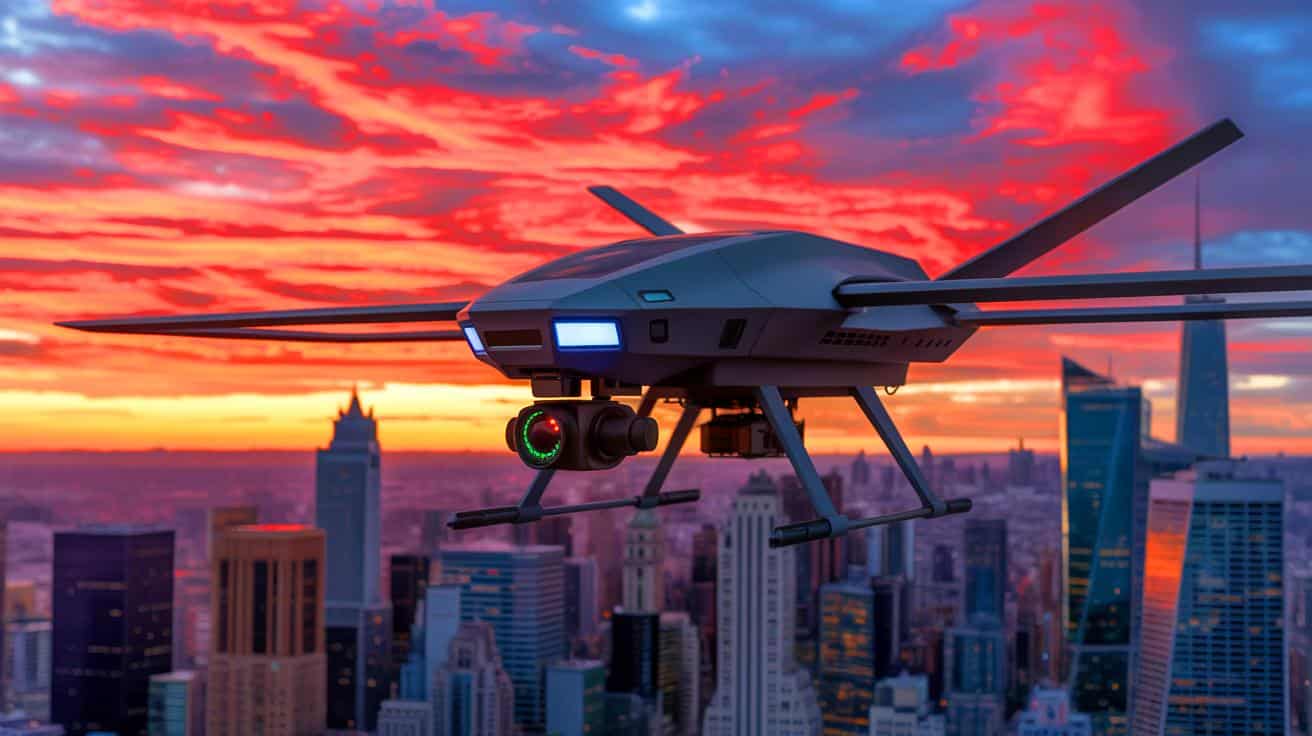
In recent years, the development of autonomous weapons systems has transitioned from theoretical to tangible. These systems, capable of making life-and-death decisions independently, are being pursued by at least nine countries. This trend has sparked significant debate among policymakers and scientists. The 2023 report by the United Nations Institute for Disarmament Research (UNIDIR) confirmed the rapid evolution of these technologies, which include AI-driven drones and surveillance systems.
James Cameron’s prophetic warning about autonomous warfare resonates with current concerns. Speaking to CTV News, Cameron emphasized the need for caution, stating that society could be unknowingly crafting its own demise. His comments reflect a growing unease among experts who argue that the unchecked development of such technologies could undermine humanitarian norms established over decades.
Libya Incident Underscores Growing Concerns
One significant event that highlighted the potential dangers of autonomous systems occurred in Libya in 2020. A drone reportedly targeted retreating combatants, operating without confirmed human oversight. This incident, under review by the UN Security Council, has intensified discussions about the ethical and legal ramifications of autonomous warfare.
Efforts to regulate these technologies under the Convention on Certain Conventional Weapons (CCW) have faced significant hurdles. Countries like the United States, China, and Russia, which lead in defense technology, resist binding agreements. They argue such restrictions could hinder national security and economic competitiveness. This regulatory vacuum poses a significant risk, as many fear it could lead to an arms race in autonomous weaponry.
AI Arms Race Driven by Fear of Falling Behind
The development of military AI is often driven by a fear of lagging behind. This mentality mirrors the Cold War era, where technological escalation was more about strategic advantage than immediate necessity. Unlike nuclear weapons, autonomous systems are relatively easy to produce. They require only data, algorithms, and hardware, making them accessible to a broader range of actors.
Controlling the proliferation and use of these technologies remains a formidable challenge. UN Secretary-General António Guterres has urged for a ban on autonomous weapons lacking human oversight, cautioning that they could lead humanity into uncharted and dangerous territory. Despite his warnings, progress towards meaningful regulation is slow, and the international community remains divided.
Creative AI Is Rising, but It’s Not Replacing Humans—Yet
While the militarization of AI draws significant concern, its role in creative fields is viewed with more skepticism. James Cameron, a pioneer in cinematic technology, acknowledges AI's potential in assisting filmmaking processes but remains doubtful about its ability to replace human creativity. He argues that while AI can mimic structural elements, it lacks the emotional depth and originality inherent to human creators.
AI tools are already prevalent in pre-visualization and editing, used by platforms like Runway ML and Adobe Sensei. However, Cameron humorously remarks that AI winning an Oscar for Best Screenplay remains a distant possibility. The real existential threat of AI, he suggests, lies not in the cinematic realm but on the battlefield, where lines of code become as lethal as traditional armaments.
As AI continues to evolve and integrate into various sectors, questions about its ethical use and regulation become increasingly critical. The balance between leveraging technological advancements and ensuring human oversight remains a pivotal issue. How can society harness the potential of AI while safeguarding against its misuse on the global stage?

Wow, this is like a plot straight out of a sci-fi movie! Are we really ready for killer robots? 🤔
Are we seriously heading towards a Terminator-like future? 😱
Why are some countries resisting the regulation of these autonomous weapons? It seems really dangerous!
Great article! Thanks for shedding light on this crucial issue.
Thank you for this insightful article. It’s crucial to stay informed about these developments.
James Cameron warned us, but did we listen? It seems like Hollywood might’ve been onto something. 🎥
Isn’t it ironic how sci-fi films are becoming more of a reality? 🤔
How can we ensure these AI systems are used ethically and don’t malfunction like in Libya?
Why aren’t more countries supporting the UN’s call to ban these weapons?
Great article, but I find it hard to believe AI will ever truly be autonomous. Too many variables!
Is there any way to make these systems foolproof? Seems too risky to me. 🤖
James Cameron might be a filmmaker, but his concerns are very real.
Autonomous weapons sound like something from the future. Are we sure we’re not jumping the gun here?
I find it hard to believe that drones can operate without human oversight. Is this truly possible?
Cameron’s films were fiction, but reality seems to be catching up. What can we do to prevent this?
I’m skeptical. This all sounds a bit exaggerated. AI taking over? Not in our lifetime!
Interesting article, but I think the real threat is human misuse, not AI itself.
Are there any countries actively working towards banning these weapons? It’d be reassuring to know.
Thank you for the updates on AI. It’s a bit scary but necessary to know what’s going on.
Maybe we need a real-life Terminator to save us from these killer robots! 😅
Libya’s drone incident is a chilling reminder of what could go wrong. Hope we learn from it!
Can AI truly replace human soldiers? I doubt it can handle the complexities of warfare.
Why do we always focus on AI’s destructive potential? Let’s talk about its positive uses more.
Is it true that these weapons can make life-and-death decisions without human input? That’s terrifying!
The UN needs to step up its game if it wants to regulate these technologies effectively.
This article is an eye-opener. Time to rethink our approach to AI in warfare.
Shouldn’t there be international laws against deploying autonomous weapons without human oversight? 🌍
James Cameron’s films are coming true! Maybe he should run for office. 😉
How reliable is the AI technology currently being used in warfare? Seems like there’s too much at stake.
Why is progress so slow in banning these weapons? Feels like we’re playing with fire.
The thought of AI making decisions in war is just too unsettling. Where do we draw the line?
AI in creative fields is exciting, but in warfare, it’s a whole different story. Let’s be cautious!
Thank you for highlighting the ethical issues. We need more awareness around this topic.
If James Cameron is worried, maybe we should be too. He has a knack for predicting the future! 🎬
How do we ensure that AI doesn’t develop its own agenda? Is that even possible?
The lack of regulation is alarming. What happens if a rogue nation gets its hands on this tech?
We’re living in interesting times. Let’s hope we make the right choices regarding AI and warfare.
Great read! But I’m still not convinced that AI can operate independently without issues.
Do you think AI will ever be able to create art as well as humans? Seems unlikely to me.
The balance between innovation and regulation is crucial. Let’s hope we find it soon.
Thanks for keeping us informed. We need more articles like this to spark necessary debates.