





| IN A NUTSHELL |
|
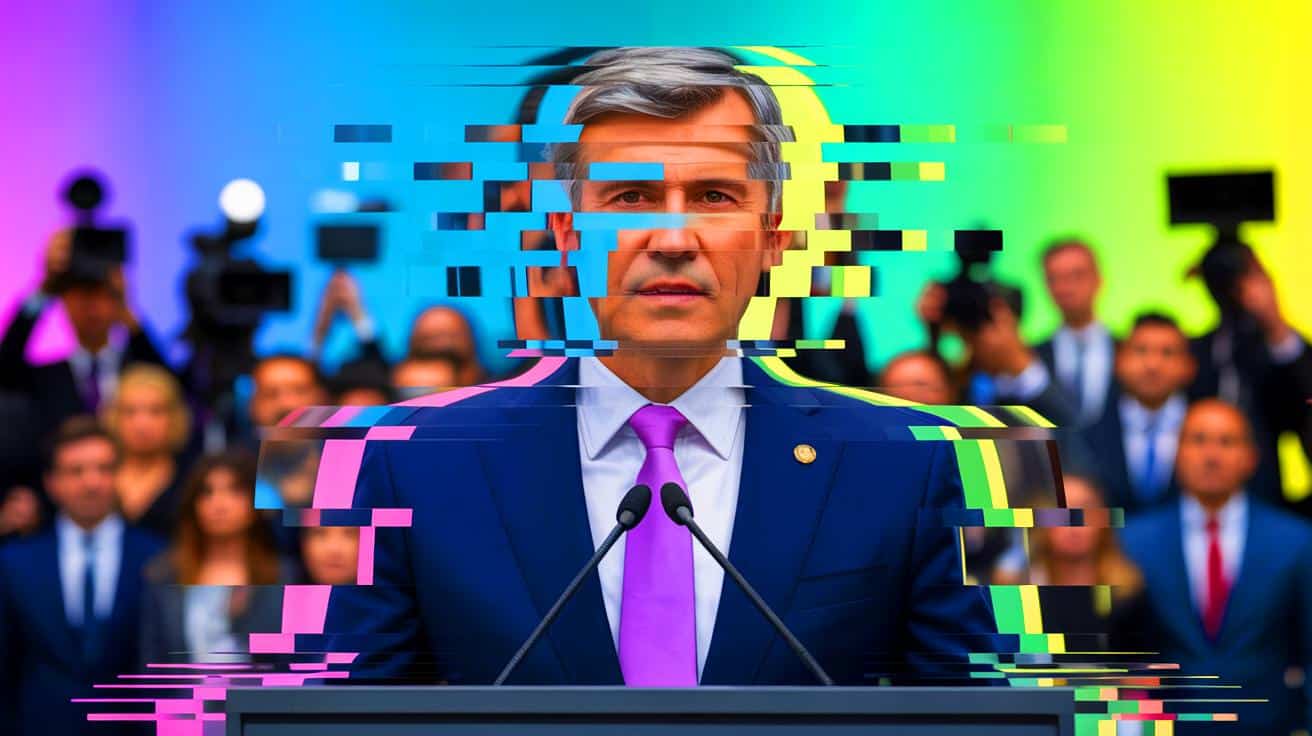
In a digital age where technology evolves rapidly, the use of deepfake videos has become a contentious issue in political discourse. Recently, Senate Republicans shared a deepfake video of Chuck Schumer, the Senate minority leader, portraying him as celebrating an ongoing government shutdown. This video, circulated on the social media platform X, raises a critical question about the ethical implications and responsibilities of sharing manipulated media. As the debate around deepfakes intensifies, it highlights the challenges of maintaining integrity and truth in political communication.
The Deepfake Video and Its Implications
The deepfake video shared by Senate Republicans targeted Chuck Schumer, presenting him in a misleading light. In the manipulated footage, an AI-generated version of Schumer repeats the phrase “every day gets better for us.” This phrase was lifted from a Punchbowl News article where Schumer discussed the Democrats’ healthcare-focused shutdown strategy. The original context emphasized their stance against Republican threats and misleading tactics. However, the deepfake altered the narrative to suggest Democrats were celebrating the shutdown, distorting the original message.
The video’s release comes amid a government shutdown caused by an impasse between Democrats and Republicans. At the heart of the deadlock are disagreements over funding bills, with Democrats aiming to preserve tax credits for affordable health insurance, reverse Medicaid cuts from the Trump era, and prevent reductions to government health agencies. The deepfake video manipulates public perception by misrepresenting Democratic intentions, illustrating the potential harm of such technology in political discourse.
Social Media Responsibility and Regulation
The platform X, where the video was posted, has policies against sharing synthetic or manipulated media likely to cause harm. These guidelines aim to prevent content that could mislead or confuse the public on significant issues. Despite these rules, X has not taken action against the Schumer deepfake. The video remains accessible without any warning label, although it includes a watermark indicating its AI origins. This lack of intervention raises questions about the platform’s commitment to preventing the spread of misinformation.
This is not the first instance of X allowing deepfakes of political figures. In late 2024, Elon Musk, the owner of X, shared a manipulated video of former vice president Kamala Harris, sparking debates about its potential to mislead voters. Such instances highlight the need for stricter enforcement of guidelines and greater accountability for platforms hosting manipulated media. The ongoing presence of deepfakes on social media raises concerns about their influence on public opinion and the integrity of political discourse.
Legal Frameworks Addressing Deepfakes
With the rise of deepfakes, some states have enacted laws to curb their political misuse. Up to 28 states have introduced legislation prohibiting deepfakes of political figures, especially during campaigns and elections. However, these laws often do not ban deepfakes outright if they contain clear disclosures. States like California, Minnesota, and Texas have taken steps to ban deepfakes intended to influence elections or deceive voters. These legal measures reflect a growing recognition of the potential harm posed by synthetic media in political contexts.
Despite these efforts, the enforcement of deepfake regulations remains inconsistent. The recent post of the Schumer deepfake underscores the challenges in policing such content effectively. The lack of uniform federal regulation leaves significant gaps in the ability to address the rapid spread of manipulated media. As deepfakes become more sophisticated, the demand for comprehensive legal frameworks and collaborative efforts between platforms and regulators becomes increasingly urgent.
Political and Ethical Reactions
The use of deepfakes in political contexts has sparked a debate about ethics and honesty. Critics argue that such tactics undermine democratic processes by spreading misinformation and manipulating public opinion. Joanna Rodriguez, communications director for the National Republican Senatorial Committee, responded to criticism by stating, “AI is here and not going anywhere. Adapt & win or pearl clutch & lose.” This statement reflects a broader sentiment that political actors must navigate the evolving landscape of technology and media.
The ethical implications of using deepfakes extend beyond immediate political gains. They challenge the foundational principles of trust and transparency in political communication. As deepfakes become more prevalent, political parties and candidates must consider the long-term impacts on their credibility and the public’s trust in democratic institutions. The ongoing discourse around deepfakes calls for a reevaluation of strategies to balance technological advancement with ethical integrity.
The emergence of deepfakes in political arenas underscores a critical juncture in the relationship between technology and democracy. As these synthetic media continue to blur the lines between reality and fiction, society must grapple with questions of accountability and trust. How will future regulations and ethical standards evolve to address the challenges posed by deepfakes, ensuring that technology serves the public good rather than undermining it?



Wow, maintenant même les vidéos peuvent mentir! Où va le monde? 😅
Wow, deepfakes are getting out of hand! How can we trust anything online anymore? 🤔
Est-ce que X va enfin prendre des mesures contre ces deepfakes?
Quelle honte! Utiliser la technologie pour manipuler des informations politiques. 😡
C’est effrayant de penser à quel point il est facile de manipuler l’opinion publique avec de telles technologies.
Are there any consequences for the Senate Republicans who shared this video?
Merci pour cet article éclairant sur les dangers des deepfakes en politique.
This is just the beginning. Imagine the chaos during the next election! 😱
Pourquoi les lois sur les deepfakes ne sont-elles pas encore uniformes à travers tous les États-Unis? 🤔
Je suis curieux de savoir comment Chuck Schumer a réagi à cette vidéo manipulée.
Je pense qu’il est temps que nous ayons des lois plus strictes sur ce genre de technologie.
Il est temps que les plateformes comme X prennent plus de responsabilités pour réglementer leur contenu.
Is X going to do anything about this, or are they just turning a blind eye?
Les politiciens doivent vraiment arrêter d’utiliser la technologie pour tromper le public.