



| IN A NUTSHELL |
|
The intersection of technology and criminal investigation has taken a dramatic turn as federal prosecutors present AI-related activities as evidence against Jonathan Rinderknecht. Rinderknecht, a former Uber driver, stands accused of initiating the catastrophic Palisades Fire in Los Angeles. The January blaze resulted in 12 fatalities, destroyed nearly 7,000 structures, and consumed over 23,000 acres. Investigators cited Rinderknecht’s ChatGPT logs and AI-generated art requests as part of the evidence against him, marking a significant moment in the use of AI data in legal proceedings. This case not only highlights the destructive power of wildfires but also raises intriguing questions about the role of artificial intelligence in modern-day crime and justice.
The Devastating Impact of the Palisades Fire
The Palisades Fire’s impact on the Los Angeles community was profound and far-reaching. Initiated from a smaller blaze known as the Lachman Fire, which started on New Year’s Day 2025, the fire quickly escalated under unfavorable conditions. It wreaked havoc, resulting in the loss of lives and the destruction of thousands of homes. The fire’s rapid spread was fueled by strong winds, making containment efforts challenging for firefighters. The devastation left behind a scarred landscape and a community grappling with the aftermath.
This tragedy was not just a natural disaster but a stark reminder of the human impact on the environment. The fire’s origins, linked to alleged human actions, underscore the potential consequences of individual recklessness. As residents mourned their losses, questions arose about what could have been done to prevent such a catastrophe. The Palisades Fire serves as a somber example of the delicate balance between human activity and nature, and the devastating effects when that balance is disrupted.
AI Evidence and Its Implications
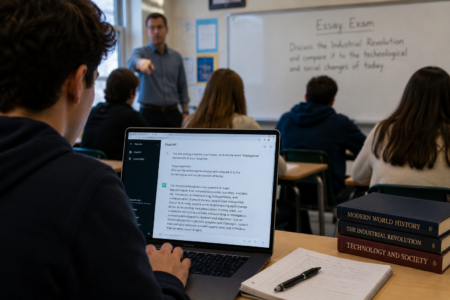
In a groundbreaking approach, federal investigators have incorporated AI-generated data as evidence in the criminal case against Rinderknecht. Court documents reveal that Rinderknecht engaged with ChatGPT months before the fire, requesting the creation of a dystopian image featuring a burning forest and societal division. The AI-generated imagery, described as having a “cartoony vibe,” is now a critical part of the evidence presented by prosecutors.
Rinderknecht’s digital interactions with AI are not alleged to have directly caused the fire, but they provide insight into his mindset at the time. In one exchange, he expressed feelings of liberation after burning a religious text, which prosecutors argue is indicative of his state of mind. The use of AI data in this case highlights the evolving nature of evidence in legal proceedings. As technology becomes more integrated into daily life, its role in investigations and courtrooms is likely to expand, raising important questions about privacy, intent, and accountability.
Rinderknecht’s Background and Arrest
Jonathan Rinderknecht, a 29-year-old former Uber driver, found himself at the center of a significant legal battle following his arrest. According to authorities, Rinderknecht had a history with the Pacific Palisades area, having worked there as a rideshare driver. On the night of the Lachman Fire, witnesses described him as agitated and angry, an observation that aligns with the prosecution’s narrative of his involvement in starting the fire.
After being identified as a suspect, Rinderknecht was arrested in Florida and charged with destruction of property by means of fire. His case has drawn attention not only for the severity of the charges but also for the novel use of AI data as part of the evidence. Rinderknecht’s upcoming extradition to California will mark the next phase in a legal process that promises to be closely watched, given its implications for the use of technology in criminal justice.
Is This iPhone Secret Hiding a $500 Scam That Could Destroy Your Wallet?
The Future of AI in Criminal Justice
The Palisades Fire case has set a precedent for how AI and digital interactions can be utilized in criminal investigations. As technology becomes more pervasive, law enforcement agencies may increasingly rely on digital footprints to build cases and understand suspects’ motivations. This shift brings with it both opportunities and challenges. On one hand, AI data can offer valuable insights and help piece together complex narratives. On the other hand, it raises ethical considerations about privacy and the interpretation of digital evidence.
As society grapples with these issues, the legal system must adapt to ensure that the use of AI in criminal justice is fair, transparent, and respects individual rights. The outcome of Rinderknecht’s case may influence future legal standards and practices, shaping how AI is integrated into the justice system. This evolving landscape prompts important discussions about the balance between technological advancements and civil liberties.
The case against Jonathan Rinderknecht is a stark reminder of the profound impact of human actions on both the environment and society. As the legal proceedings unfold, the role of AI in shaping the narrative will continue to be scrutinized. How will the integration of technology into legal systems evolve, and what implications will this have for privacy and accountability in the future?

Wow, AI evidence in court? What will they think of next? 🤖
Wow, AI in the courtroom! What’s next, robots as jurors? 🤖
Is it really ethical to use someone’s AI chat logs in court? Seems like a slippery slope.
How reliable is ChatGPT as evidence? Seems pretty subjective to me.
Thank you for covering such an intriguing topic! I never imagined AI would be used like this. 👍
I never imagined AI could be part of a legal case! Truly fascinating.
Wait, did I read this right? AI art requests are evidence now? Mind blown. 💥
Does this mean our private conversations with AI could be used against us? 😬
How reliable are these AI logs in a legal context? Can they be manipulated?
Is anyone else worried about the privacy implications here?
Seems like a Black Mirror episode. Anyone else feeling dystopian vibes? 🖤