





| IN A NUTSHELL |
|
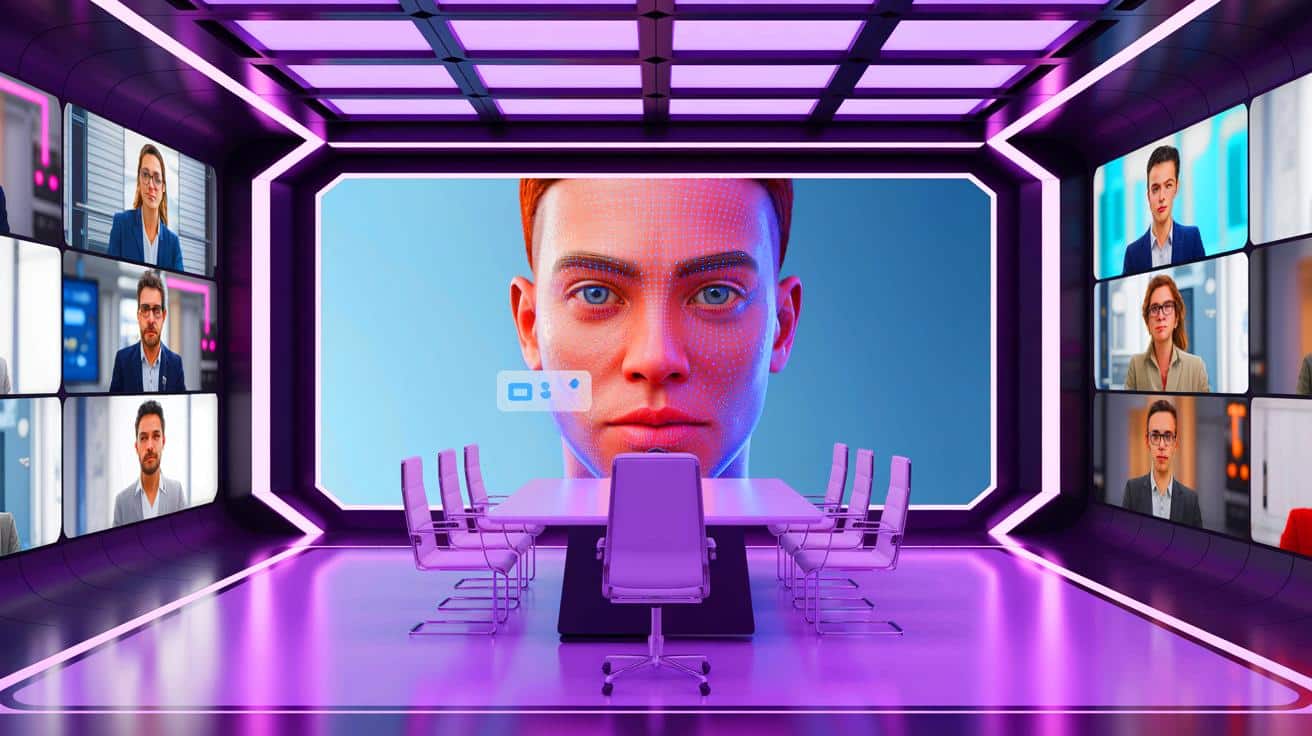
In a significant move towards integrating artificial intelligence into everyday technology, Zoom is set to unveil a groundbreaking feature. This new development will allow users to create a digital double for video conferences. The initiative, part of Zoom’s broader AI strategy, introduces a photorealistic avatar to stand in for users during meetings. The feature is designed for those moments when participants might not be camera-ready but still need to maintain a professional presence. As remote work continues to dominate the professional landscape, innovations like this could redefine virtual interactions and set new standards for video conferencing.
The Rise of AI in Video Conferencing
Zoom’s latest announcement marks a pivotal moment in the evolution of video conferencing. With the introduction of a digital double, the company is leveraging artificial intelligence to enhance user experience. The concept is simple yet transformative: allow an avatar to represent users during meetings, ensuring they maintain a polished presence even when they aren’t camera-ready. This innovation is part of a larger trend where AI is increasingly becoming a staple in communication tools.
The digital double is not just about appearance. It serves as a bridge for those who need to attend important meetings but might not be in a position to appear on camera. This feature ensures that professionals can maintain their presence without compromising on professionalism. It also highlights the potential of AI to personalize and optimize user interactions in a rapidly digitalizing world.
Ensuring Authenticity and Transparency
One of the primary concerns with introducing digital doubles is the potential for misuse. Zoom has addressed this by implementing verification measures to ensure that the avatar is a true representation of the user. The digital double will mimic the user's gestures by following the webcam feed, but it will not allow the user to impersonate someone else.
Moreover, Zoom has emphasized transparency in its approach. Participants in a meeting will be notified if someone is using a digital double instead of their real video feed. This measure is crucial in maintaining trust and authenticity within virtual meetings. As the line between the real and virtual worlds continues to blur, such safeguards ensure that technology enhances rather than detracts from genuine human interaction.
A Glimpse Into the Future of Remote Work
The introduction of digital doubles in video conferencing may seem futuristic, but it is a logical step forward given the current trajectory of remote work. As more companies embrace flexible work arrangements, the demand for innovative solutions that bridge the gap between in-person and virtual presence is growing. Zoom's initiative reflects this shift and offers a glimpse into the potential future of remote work.
By December, when this feature is expected to launch, users might find themselves relying more on digital representations to navigate professional environments. The ability to project a polished image without physical presence could redefine professional etiquette in the digital age. This development raises intriguing questions about the future of virtual interactions and how technology might continue to shape them.
Balancing Innovation and Ethical Considerations
While the benefits of Zoom's digital double are evident, there are also ethical considerations to ponder. The line between enhancing user experience and compromising authenticity is thin. It is crucial for companies to navigate this terrain carefully. Ensuring that technological advancements do not overshadow genuine human interaction is a delicate balance to maintain.
Moreover, as AI continues to integrate into various aspects of professional life, questions about privacy, data security, and ethical use of technology become increasingly pertinent. Zoom's proactive approach in ensuring transparency and implementing verification measures is a step in the right direction. However, as technology continues to evolve, ongoing vigilance and adaptation will be essential.
As Zoom prepares to launch its digital double feature, the world watches with curiosity and anticipation. This innovative step highlights both the potential and challenges of integrating AI into everyday tools. As we continue to navigate this rapidly changing landscape, one must wonder: How will such technological advancements redefine the boundaries of human interaction in the digital era?



Wow, bientôt on ne saura plus qui est réel dans une réunion Zoom ! 😮
Est-ce que ça veut dire que je peux dormir pendant les réunions ? 😴
Je trouve ça un peu inquiétant… Qu’en est-il des implications éthiques ?
Et si mon avatar fait une grimace sans que je le veuille ? 😅
Est-ce que les avatars peuvent aussi boire du café pour moi ? ☕️😂
Merci Zoom, maintenant je peux être à deux endroits à la fois !
Est-ce que quelqu’un a déjà essayé cette fonctionnalité ? J’aimerais bien avoir des retours !
Y a-t-il un mode “vacances” pour l’avatar ? Je suis partant ! 🌴
Comment Zoom vérifie-t-il que l’avatar est authentique ?
Je suis curieux de savoir comment ils gèrent les accents et les expressions faciales. 🤔
Pouvez-vous imaginer un monde où personne n’est vraiment là ? Un peu effrayant, non ?
J’espère que le système de vérification est aussi bon que promis… sinon, bonjour les imposteurs !
Ça pourrait être hyper pratique pour les jours où je suis en pyjama ! 😆
Woah, je ne sais plus si je parle à des personnes ou à des avatars ! 😅
Les avatars peuvent-ils aussi faire mes tâches de travail ? Ça serait super pratique !