





| IN A NUTSHELL |
|
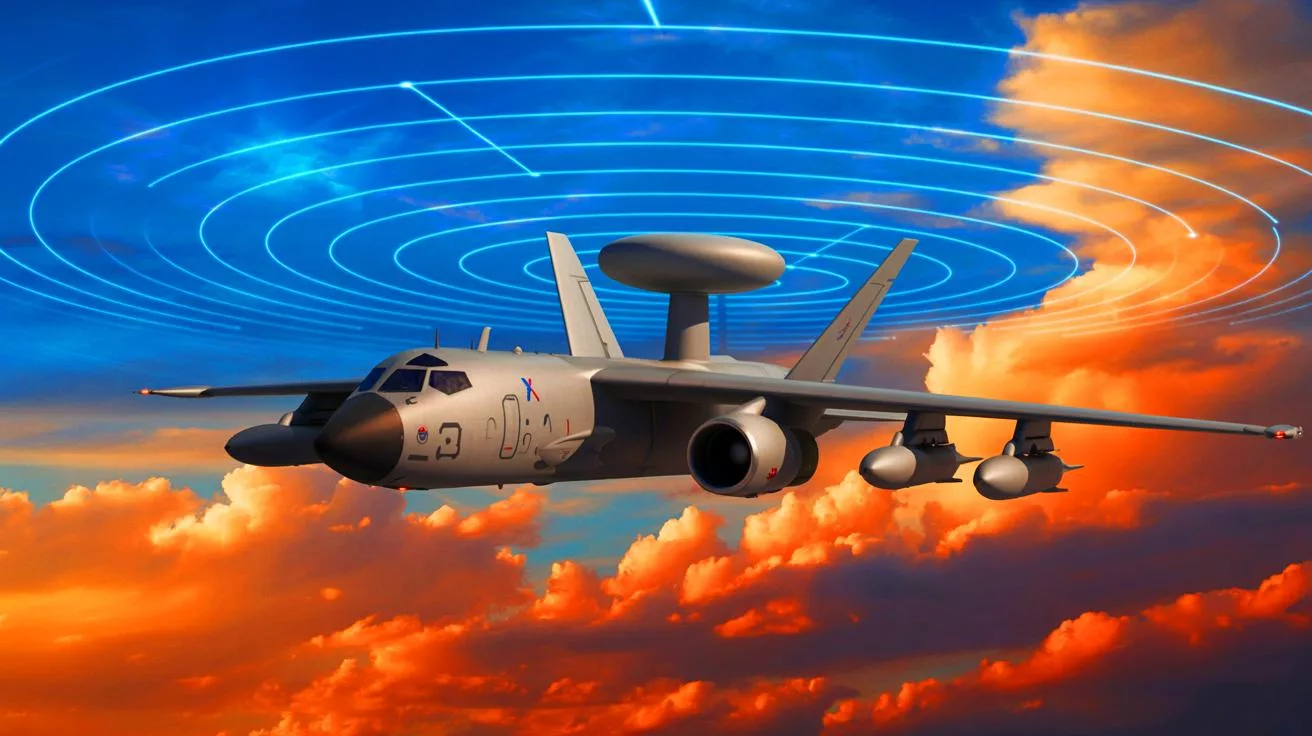
In a groundbreaking development, China has reportedly tested an AI-powered radar system that could redefine the dynamics of electronic warfare. This new radar technology, tested on a military aircraft, showcases remarkable capabilities in maintaining target tracking even under sophisticated jamming conditions. Such advancements suggest a significant leap forward in radar technology, promising to enhance military operations by overcoming the limitations of conventional systems. As global military powers focus on electronic warfare, China’s achievement could influence future strategies and defense mechanisms worldwide.
China’s Leap in Radar Technology
China’s radar research community is celebrating a significant milestone. According to a recent peer-reviewed paper, researchers have achieved over 99 percent radar target tracking continuity. This marks a substantial improvement from the previous 70–80 percent range. The breakthrough is attributed to the efforts of the China Electronics Technology Group Corporation’s 14th Research Institute, located in Nanjing. The institute is recognized as a leader in military radar technology development.
The advances in radar systems are crucial, particularly in environments characterized by electronic suppression. Traditional radar systems face challenges in maintaining consistent tracking in such conditions. However, the new AI-powered radar overcomes these hurdles by adapting in real-time. This adaptability is crucial in modern warfare, where electronic interference is prevalent. The shift in radar design philosophy could pave the way for more reliable and efficient tracking systems, enhancing military capabilities in complex combat scenarios.
Advanced Features of the AI Radar
The newly developed radar system represents a significant step forward in technological innovation. Unlike conventional radars, this system continuously scans the electromagnetic spectrum to detect interference. Upon identifying jamming attempts, the radar swiftly adjusts its frequency, beam direction, and waveform. These rapid adjustments help evade suppression, maintaining its target lock even in hostile conditions.
This adaptability is made possible by traditional machine learning algorithms rather than the large language models commonly used in AI research today. The choice underscores a preference for reliability and safety, especially in military applications where human lives are at stake. The radar’s flexibility allows it to respond to changes in enemy tactics within milliseconds, a capability essential for modern warfare. The system’s design and performance have undergone rigorous testing, ensuring its reliability in real-world scenarios.
Implications Beyond the Battlefield
While the AI radar’s potential impact on military operations is significant, its implications extend beyond the battlefield. As China continues to advance its smart city initiatives, the electromagnetic spectrum is becoming increasingly congested. This congestion poses risks of interference with various devices, making the radar’s ability to manage and adapt to interference crucial in civilian contexts as well.
The radar’s successful deployment could lead to innovations in managing electromagnetic interference in urban environments. By enhancing communication and device functionality, the technology could support the development of more efficient smart city infrastructures. As global cities become more interconnected, technologies that manage spectrum usage effectively will be vital in ensuring seamless communication and operation of digital devices.
Challenges and Future Prospects
Despite its promising capabilities, the AI radar system faces challenges before widespread adoption. Integrating AI in radar systems for manned military aircraft requires overcoming constraints related to space, power, and processing capacity. However, China’s recent trials indicate significant progress in addressing these challenges, suggesting future advancements in radar technology.
Experts caution that while the radar holds potential for securing electronic supremacy, its real-world performance needs thorough evaluation. If successful, it could redefine electronic warfare, prompting other nations to develop similar technologies. The race for electronic dominance could lead to accelerated innovations in radar technology globally. The critical question remains: how will nations balance the deployment of such advanced technologies with the need for international security and stability?
The development of AI-powered radar systems by China represents a major technological advancement with far-reaching implications. As nations continue to explore the potential of electronic warfare, the question emerges: how will these advancements shape the future of global military strategies and civilian technologies?



Wow, this sounds like a game-changer for electronic warfare! How soon do you think other countries will catch up? 🤔
Wow, this technology sounds like something out of a sci-fi movie! 🚀
I’m a bit skeptical about the long-term effectiveness of this system. What if jammers become even more advanced? 🤨
How does this radar system compare to those used by other countries?
Great article! Thanks for keeping us informed about such cutting-edge military technology.
I’m amazed by this breakthrough! Could it also be used in civilian aviation?
Does this mean we’ll see more AI integration into other military technologies soon?
This sounds promising, but how reliable is it in extreme weather conditions?
Smart cities using military radars? Sounds like a sci-fi movie plot! 😄
Impressive technology, but does it pose any risks to global security?
How does this radar technology compare to what’s currently being used in Western countries?
Can this system be integrated into existing military aircraft easily?
Just wondering, how does this tech ensure the safety of civilian devices in urban areas?