


| IN A NUTSHELL |
|
In a significant legal ruling, a federal jury in Miami has held Tesla partially accountable for a fatal crash involving its Autopilot system. The 2019 accident resulted in the death of a 22-year-old woman and severe injuries to her boyfriend. The jury ordered Tesla to pay $243 million in damages, marking a rare courtroom defeat for the electric vehicle manufacturer. The decision comes as Tesla aims to expand its driverless technology, raising questions about the safety and reliability of autonomous systems. While Tesla plans to appeal, this case could have broader implications for the regulation and development of semi-autonomous vehicles.
Autopilot Allowed Reckless Use
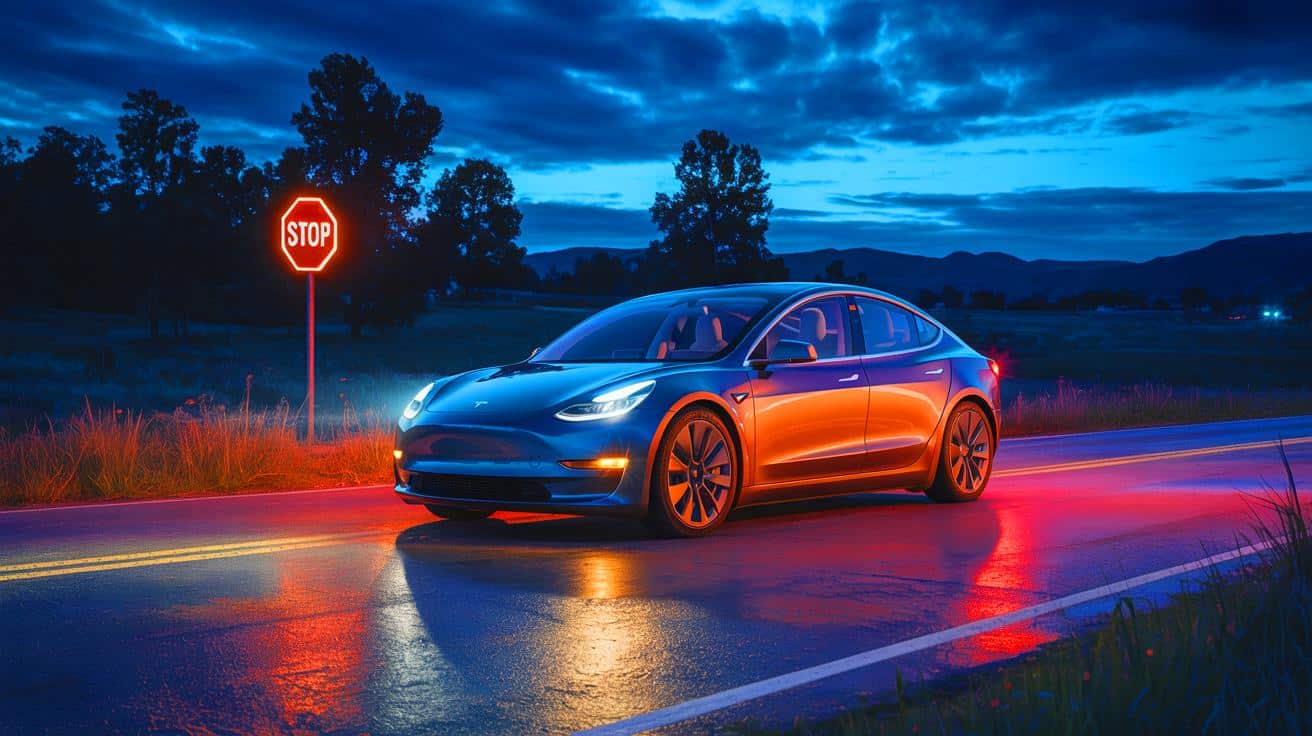
The tragic crash occurred on a rural road in Key Largo, Florida, when George McGee, driving a Tesla Model 3, failed to stop at a stop sign. He collided with a parked Chevrolet Tahoe at a speed of 62 mph. The impact was devastating, propelling Naibel Benavides Leon, a 22-year-old passenger, 75 feet into the woods, resulting in her death. Her boyfriend, Dillon Angulo, sustained severe injuries, including broken bones and a traumatic brain injury.
During the trial, McGee admitted to being distracted by a dropped cell phone and over-relying on Tesla’s Autopilot system. “I trusted the technology too much,” McGee testified, expressing belief in the system’s ability to provide warnings and apply brakes when necessary. This reliance on Autopilot became a focal point in the case, as plaintiffs’ lawyer Brett Schreiber argued that Tesla should have restricted its use on unsuitable roads and ensured it disengaged when drivers were distracted. “Tesla enabled this reckless behavior,” Schreiber asserted, pointing to the company’s branding as misleading.
Key Data Allegedly Withheld
Another contentious issue in the trial was Tesla’s handling of crucial crash data. Lawyers for the victims accused the company of withholding or losing vital information, which was later recovered by a forensic expert. Tesla initially claimed the data did not exist but later admitted to a mistake when confronted with the evidence. In response to the verdict, Tesla issued a statement claiming the decision was incorrect, arguing that it hinders the progress of automotive safety innovations.
Tesla’s defense, led by Joel Smith, maintained that the responsibility lay entirely with McGee. The company emphasized its consistent warnings to drivers to remain attentive, highlighting McGee’s disregard of these instructions. Smith argued that the accident was caused by McGee’s distraction and speeding, noting that he had previously navigated the intersection safely numerous times. Despite Tesla’s stance, the ruling raises important questions about liability in incidents involving semi-autonomous systems.
Potential Impact on the Auto Industry
The verdict against Tesla could have significant implications for the automotive industry, particularly in the realm of semi-autonomous vehicles. As Tesla and other companies continue to develop and implement driver-assistance technologies, the case underscores the challenges of balancing innovation with safety. The outcome may influence future legal assessments of responsibility in similar crashes, especially when human error is a contributing factor.
Moreover, the case could lead to increased scrutiny of how companies market their autonomous features. The jury’s decision highlights the importance of clear communication and responsible branding to ensure consumers understand the capabilities and limitations of such technologies. As the industry progresses toward fully autonomous vehicles, these issues will remain at the forefront of regulatory and legal discussions.
Tesla’s Future and the Road Ahead
Despite the setback, Tesla remains committed to advancing its autonomous vehicle technology. The company’s plans to launch a driverless taxi service across U.S. cities demonstrate its continued focus on innovation. However, the legal challenges and public scrutiny following this verdict may pressure Tesla to enhance its safety measures and transparency.
The case serves as a reminder of the complexities involved in integrating technology into daily life. It highlights the need for robust safety protocols and responsible use of emerging technologies. As Tesla navigates these challenges, the broader industry will be watching closely to see how it adapts and evolves in response to legal and consumer expectations.
The Miami jury’s decision against Tesla marks a pivotal moment in the ongoing development of autonomous vehicle technology. As the auto industry grapples with the implications, one question remains: How can companies balance innovation with safety to gain public trust in autonomous systems?

Wow, $243M is a huge blow to Tesla! How will they recover from this? 🤔
Is this the beginning of the end for Tesla’s Autopilot? 😨
I feel sorry for the victims’ families. Tesla should take full responsibility!
Can this ruling set a precedent for other similar cases?
What were the jury’s main reasons for holding Tesla accountable?
This is why I don’t trust self-driving cars yet. Too risky!
Thank you for the detailed article. Very informative!
Will this case affect the stock market value of Tesla?
Elon Musk must be furious right now! 😡
Was the Autopilot system not supposed to prevent crashes like this?