





| IN A NUTSHELL |
|
China is on the brink of a monumental advancement in aerial technology with the impending deployment of the largest drone carrier in the world. This cutting-edge innovation, known as the “drone mothership,” is poised to enhance the operational capabilities of China’s People’s Liberation Army (PLA) significantly. Designed to deploy swarms of drones, this carrier is set to revolutionize the fields of combat, surveillance, and emergency response. The anticipation for its deployment is palpable, with expectations that it will redefine strategic operations and introduce new possibilities in the realm of unmanned aerial vehicles (UAVs).
The Unparalleled Capabilities of the Jiu Tian Drone Carrier
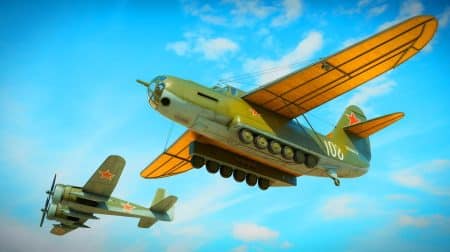
The Jiu Tian drone carrier is a massive UAV, weighing in at an impressive 11 tons. It has the unique capability to transport up to 100 smaller UAVs, collectively weighing an additional 6.6 tons. These drones can be deployed over a staggering distance of 4,350 miles. Introduced at the Zhuhai Air Show, China’s premier aerospace event, the Jiu Tian has captured global attention with its potential to launch kamikaze drones. These loitering munitions are designed to wait until their target is identified before engaging, making them a formidable tool in modern warfare.
China’s development of this drone carrier represents a significant leap in military technology. It underscores the nation’s commitment to advancing its defense capabilities through innovative technologies. The Jiu Tian is not just a technological marvel; it is a strategic asset that could potentially alter the balance of power in aerial combat and surveillance operations. With the ability to launch drone swarms, the Jiu Tian could overwhelm existing air defense systems, presenting a new challenge for military strategists worldwide.
Strategic Implications and Concerns
The introduction of the Jiu Tian drone carrier raises important questions about its practicality and survivability in contested environments. While the carrier’s capabilities are impressive, experts remain cautious about its actual performance in hostile territories. Elsa Kania, a senior fellow at the Center for a New American Security, highlights that China’s display of advanced weapons systems often serves both deterrent and propaganda purposes. These displays can generate significant hype, even when the specific capabilities remain unverified.
Despite these concerns, the Jiu Tian’s potential to deploy drone swarms is a game-changer. These swarms, coordinated using artificial intelligence, can navigate complex environments and execute missions with precision. The ability to deploy multiple drones simultaneously offers strategic advantages, from overwhelming enemy defenses to conducting extensive surveillance operations. However, the true test of the Jiu Tian’s effectiveness will come with its operational deployment and the PLA’s ability to integrate it into existing military strategies.
Beyond Combat: Versatile Applications of Drone Swarms
While the Jiu Tian drone carrier is primarily designed for military applications, its potential extends far beyond the battlefield. The carrier’s modular payload design allows for versatile applications in resource monitoring, disaster relief, and emergency response operations. In the aftermath of natural disasters, drone swarms could be invaluable for assessing damage, locating survivors, and assisting rescue teams in navigating treacherous terrain.
The flexibility and adaptability of the Jiu Tian make it a valuable asset for humanitarian efforts. Its ability to quickly deploy drones over vast areas can expedite response times and improve the efficiency of rescue operations. This capability highlights the dual-use nature of the technology, where military innovations can have significant civilian applications. As the world grapples with increasing environmental challenges, technologies like the Jiu Tian could play a crucial role in mitigating the impact of disasters.
The Future of Unmanned Aerial Warfare
The deployment of the Jiu Tian drone carrier marks a significant milestone in the evolution of unmanned aerial warfare. The PLA’s integration of this advanced UAV into its fleet signals a new era of military operations where drone swarms could become a standard feature. As nations worldwide invest in similar technologies, the landscape of aerial warfare is set to change dramatically.
The Jiu Tian’s upcoming operational tests will provide valuable insights into its capabilities and potential limitations. As the world watches closely, the results of these tests will likely influence future developments in UAV technology. The emergence of drone carriers like the Jiu Tian raises critical questions about the future of warfare and the role of AI in military strategy. How will nations adapt to this new reality, and what implications will it have for global security?


Wow, a swarm factory sounds like something out of a sci-fi movie! 😮
Pourquoi investir autant dans la destruction quand on pourrait utiliser ces technologies pour la paix ?
C’est impressionnant, mais j’espère qu’il y aura des mesures pour éviter les abus de pouvoir.
Est-ce que ce drone carrier est capable de résister aux cyberattaques ? 🤔
La Chine ne cesse de me surprendre avec ses innovations technologiques. Bravo !
Ça me rappelle un film que j’ai vu… mais je ne pensais pas que ce serait réel un jour !
Merci pour cet article fascinant. Quels sont les contre-mesures disponibles pour d’autres pays ?
Ce serait génial si ces drones pouvaient aussi être utilisés pour surveiller la faune.
Les implications militaires sont évidentes, mais qu’en est-il des droits de l’homme ?
Je suis curieux de savoir comment cela va influencer les relations internationales.
Le monde est vraiment en train de changer rapidement avec ces nouvelles technologies. 😅