





| IN A NUTSHELL |
|
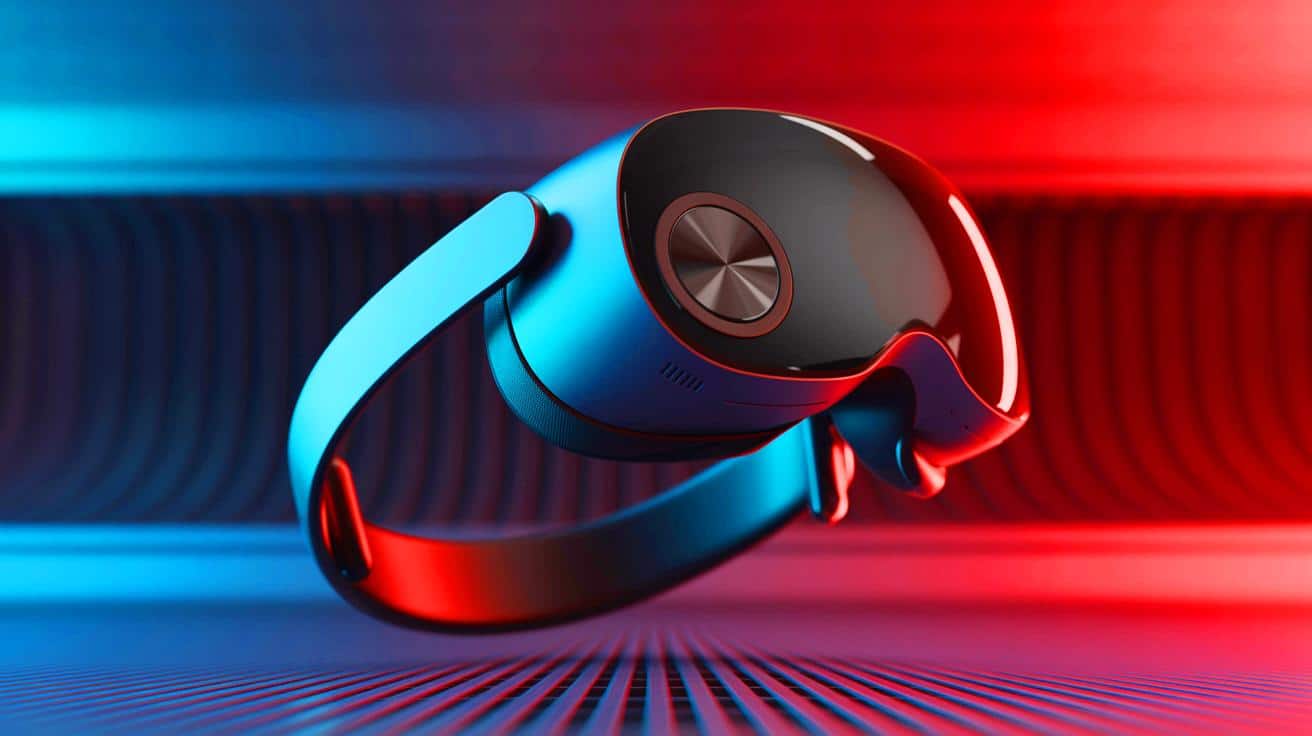
Meta, the parent company of Facebook, is shifting its timeline for the release of its anticipated mixed reality glasses, now set for the first half of 2027. This delay reflects the company’s strategic pivot towards ensuring sustainability and enhancing user experience. Originally slated for a 2026 debut, these glasses, codenamed Phoenix, are poised to compete with similar products like the Apple Vision Pro, boasting a distinctive puck-like power source. The decision to postpone follows internal discussions led by Meta’s CEO, Mark Zuckerberg, emphasizing the importance of quality and longevity in the rapidly evolving tech landscape.
Meta’s Strategic Shift in Mixed Reality
Meta’s decision to delay the release of its mixed reality glasses marks a significant strategic shift for the company. Previously, Meta aimed for a 2026 launch but has now recalibrated its timeline to the first half of 2027. This delay is not merely a setback; it represents a conscious decision to prioritize quality over speed. The shift indicates Meta’s commitment to delivering a product that meets high standards and aligns with user expectations.
CEO Mark Zuckerberg reportedly advised his team to focus on sustainability and quality. This directive underscores the importance Meta places on long-term success over short-term gains. By allowing more time for development, Meta seeks to ensure these glasses offer a seamless and enriching experience. The tech giant is no stranger to innovation, but this move highlights its evolving approach in a market where user experience is paramount.
Understanding the Competition: Apple and Beyond
The competitive landscape for mixed reality technology is fierce. Meta’s Phoenix glasses will enter a market dominated by established players like Apple, whose Vision Pro has set a high bar. The design of the Phoenix glasses, featuring a puck-like power source, suggests Meta is exploring unique hardware solutions to differentiate its product.
While Apple’s products are known for their sleek design and functionality, Meta has an opportunity to carve out its niche. By focusing on the quality and sustainability of the Phoenix glasses, Meta can appeal to users seeking robust and reliable devices. The delay in release allows Meta to refine its product, ensuring it can compete effectively in a crowded market. The company’s strategic adjustment reflects a growing understanding of the importance of delivering not just innovative but also user-friendly technology.
Challenges and Opportunities in the Metaverse
Meta’s ambitious foray into mixed reality is closely linked to its broader metaverse strategy. The company’s decision to cut its metaverse budget by up to 30% reveals the financial pressures and strategic challenges it faces. Balancing innovation with financial sustainability is a complex task, especially as the tech industry grapples with economic uncertainties.
However, this budget adjustment also presents opportunities. By reallocating resources, Meta can focus on developing core technologies that enhance the user experience. This strategic pivot may enable Meta to streamline its efforts, ensuring that the Phoenix glasses and other metaverse initiatives align with consumer needs and market demands. The delay in the glasses’ release offers Meta the breathing room it needs to navigate these challenges effectively.
New Aircraft Challenge Starlink: Fly 6 Days, Connect 500,000 People, Cover 15,000 Square Miles
The Future of Augmented Reality at Meta
As Meta continues to develop its mixed reality glasses, the company is poised to play a pivotal role in the future of augmented reality (AR). The Phoenix glasses are part of a broader vision to integrate AR into everyday life, offering users a blend of digital and physical realities. This vision aligns with Meta’s overarching goal of creating immersive and interconnected experiences within the metaverse.
The delay in the release of the Phoenix glasses is not just about refining the product; it reflects a deeper commitment to innovation and user satisfaction. By focusing on getting the details right, Meta is laying the groundwork for a future where AR technology is seamlessly integrated into daily life. The success of this initiative will depend on Meta’s ability to balance innovation with practical application, ensuring that its products meet the needs and expectations of users worldwide.
Meta’s decision to delay the release of its mixed reality glasses demonstrates a strategic focus on quality and sustainability. As the company navigates the challenges of the tech industry, it remains committed to delivering a product that enhances the user experience. How will this strategic pivot influence the trajectory of AR technology and Meta’s role in shaping the future of digital interaction?



Do you think delaying the glasses to 2027 will give Meta the edge it needs to outshine Apple? 🤔
Wow, 2027 is a long wait! Hope it’s worth it! 🙃
Wow, another delay! Are we ever going to see these mixed reality glasses in our lifetime? 😂
Meta seems to be taking a page from Apple’s playbook by focusing on quality over speed.
Meta’s decision to prioritize quality over speed seems wise. Good things take time!
Why cut the metaverse budget now? Is Meta losing confidence in its own vision?
Isn’t it risky for Meta to cut its metaverse budget by 30%? What about future innovation?
2027? Guess I’ll stick with my current glasses a bit longer. 😂
Can the Phoenix glasses really compete with Apple’s Vision Pro? They have big shoes to fill!
Thanks for prioritizing sustainability, Meta! 🌍
It’s great to see a focus on sustainability, but is 2027 too late for Meta to enter the market?
Does this delay mean Meta is struggling with the technology?
Why does it always seem like Meta is playing catch-up with Apple? 😒