




| IN A NUTSHELL |
|
In a recent incident in New York, the pitfalls of unchecked technology were starkly highlighted when a man was wrongfully incarcerated due to a facial recognition error. Trevis Williams, a Brooklyn resident, found his life turned upside down after being mistakenly identified as a suspect in a crime he did not commit. This case raises significant concerns about the reliability of artificial intelligence in the judicial system. As facial recognition technology becomes more prevalent, questions about its accuracy and the safeguards in place to prevent such errors become increasingly pressing. The case of Trevis Williams serves as a cautionary tale for the future of law enforcement technology.
A Misguided Arrest
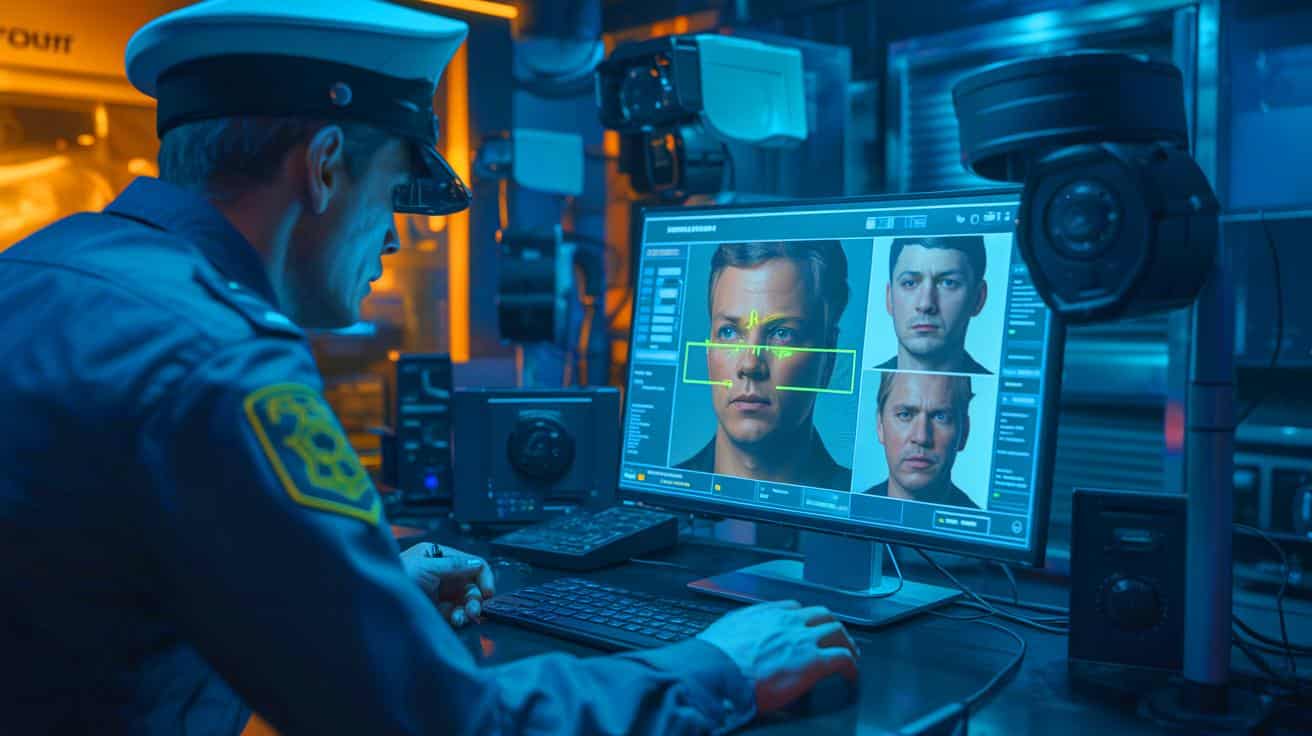
In April, Trevis Williams was arrested by the New York Police Department (NYPD) under the suspicion of committing a crime in Manhattan. Despite being miles away from the crime scene at the time of the incident, Williams was linked to the crime through a flawed facial recognition match. The suspect described by the victim was notably different in stature and weight compared to Williams. Nevertheless, a blurry surveillance image led to Williams being identified as a possible match by the facial recognition software.
The NYPD has invested heavily in surveillance technology over the years, spending over $2.8 billion between 2007 and 2020. This includes facial recognition tools meant to aid in investigations. In the case of Williams, the software generated several potential matches from a grainy image, all of whom were African American men with similar physical features. Despite an internal report indicating no valid reason for his arrest, Williams was still subjected to a visual identification lineup, where the victim mistakenly confirmed him as the suspect.
Weak Testimonies and Overlooked Evidence
The crime in question occurred when a delivery man allegedly exposed himself in a Manhattan hallway. The victim's account pointed to the perpetrator being present at a place and time that did not align with Williams's whereabouts. Phone records verified that Williams was in a different location, returning home from his job in Connecticut. Despite this, he was held in custody for over two days.
Williams's experience is not an isolated incident. Across the United States, there have been numerous wrongful arrests tied to facial recognition errors, predominantly affecting people of color. The National Institute of Standards and Technology (NIST) has found that while facial recognition can achieve near-perfect accuracy with clear images, its reliability plummets with poor-quality footage, a common issue with surveillance recordings.
The Lack of Safeguards
In some jurisdictions, like Detroit, regulations require additional evidence to corroborate facial recognition matches. However, New York lacks such protocols, leaving room for potential misuse. The NYPD claims that facial recognition is just one tool among many, yet incidents like Williams's suggest otherwise.
Williams's attorney, Diane Akerman, argues that a thorough investigation could have prevented this injustice. The Legal Aid Society has called for an inquiry into the NYPD's practices, suggesting that the documented cases of wrongful arrests may only be the tip of the iceberg. They also accuse the NYPD of bypassing internal regulations by collaborating with external agencies for facial recognition analyses.
Broader Implications and Personal Impact
For Trevis Williams, the repercussions of his wrongful arrest extend beyond the immediate legal battles. He was preparing for a career as a correctional officer, a process now hindered by his arrest record. He reports experiencing anxiety attacks as a result of the ordeal. Even though the charges were dropped, no one else has been charged in connection with the crime.
The broader implications of this case highlight the inherent risks of relying on facial recognition technology without robust oversight. As these tools are marketed as revolutionary, the potential for misuse and error remains a significant concern. This incident raises pressing questions about the role of artificial intelligence in law enforcement and its impact on civil liberties.
As technology continues to advance, the balance between innovation and ethical responsibility becomes increasingly crucial. How can law enforcement agencies ensure that the use of AI in policing does not undermine justice and fairness, particularly for marginalized communities?


This is outrageous! How many more innocent people have to suffer before they fix this? 🤔
Est-ce que quelqu’un sait qui a développé ce système d’IA défectueux ? 🤔
J’espère que Williams recevra une compensation pour ce cauchemar.
Wow, $2.8 billion and they still can’t get it right? Money well spent… not.
2.8 milliards de dollars pour ça ? Vraiment ?! 🙄
Facial recognition always seemed like something from a sci-fi movie, but now it’s a horror story. 😱
Pourquoi la police ne vérifie-t-elle pas l’alibi avant d’arrêter quelqu’un ?
Are there any policies in place to compensate victims like Williams?
Un autre exemple de technologie utilisée sans réflexion. 😒
Maybe it’s time to go back to old-fashioned detective work. 🕵️♂️
Incroyable que cela se produise encore en 2023!
Why is there no oversight on such a massive investment in surveillance technology?