





| IN A NUTSHELL |
|
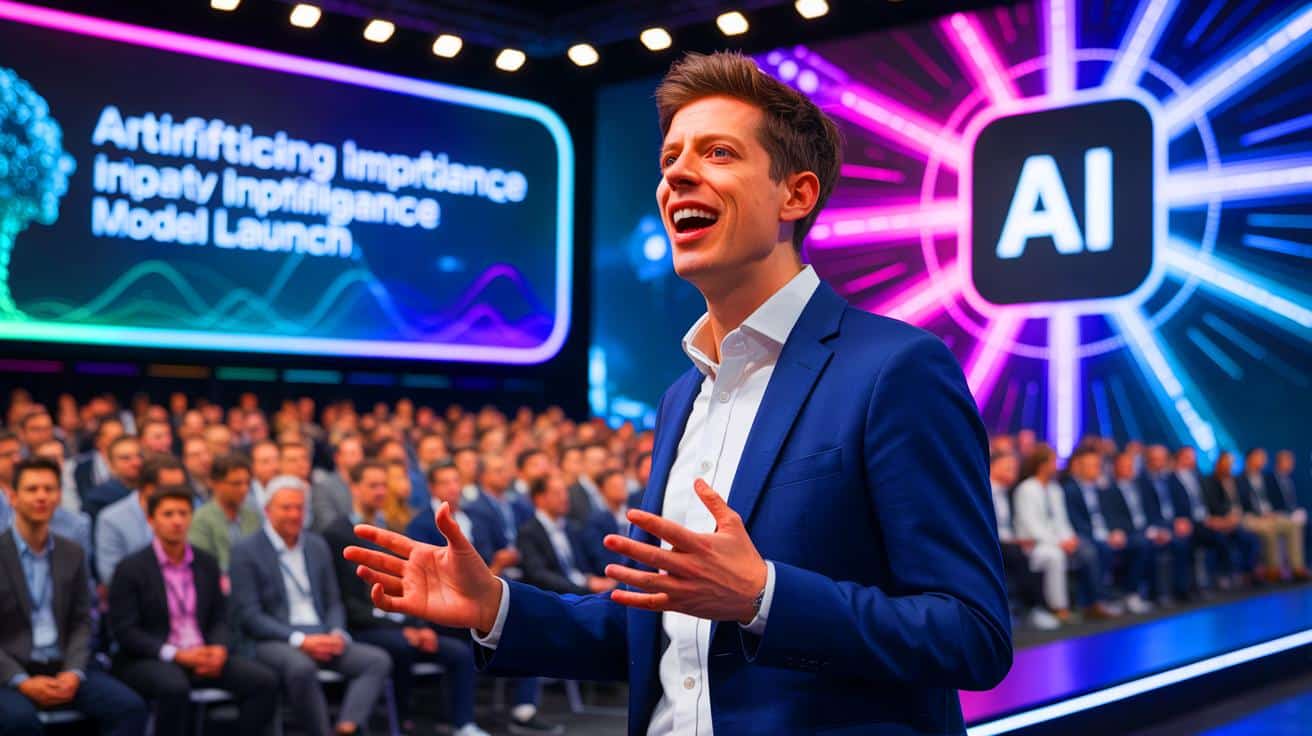
In a surprising turn of events, OpenAI’s launch of its much-anticipated AI model, GPT-5, has not gone as smoothly as planned. The model, touted as OpenAI’s most advanced yet, has been criticized for falling short of expectations. Users have voiced their dissatisfaction, prompting OpenAI to consider reinstating the earlier GPT-4o model. The launch’s missteps, including a significant chart error, have sparked debates and garnered widespread attention. As OpenAI navigates these challenges, the company’s response and adaptation will be crucial in determining the model’s future success and acceptance.
The Router That Failed
OpenAI’s GPT-5 model was meant to unify all previously available models, offering a comprehensive solution that could handle various tasks seamlessly. Central to this promise was a real-time router, designed to select the most appropriate model for each user query. This innovation aimed to optimize response times and enhance the model’s overall efficiency. However, the router’s performance has been less than satisfactory, leading to user complaints about the model’s perceived “dumbness.”
Sam Altman, OpenAI’s CEO, acknowledged these issues, stating that a server problem impacted the router’s functionality, contributing to the model’s underperformance. Altman assured users that improvements were underway to make the decision-making process more transparent and effective. The commitment to refining the router’s capabilities underscores OpenAI’s dedication to addressing user concerns and enhancing GPT-5’s overall performance.
The “Chart Crime” Jokes
During the GPT-5 launch event, a significant error in the presentation of benchmark scores drew widespread criticism. The chart displayed exaggerated scores for GPT-5, misrepresenting its accuracy compared to previous models. This “mega chart screwup,” as Altman described it, quickly became fodder for online jokes and memes, highlighting the importance of accurate data representation in maintaining credibility.
Although the charts were corrected in subsequent blog posts, the initial error left a lasting impression. The incident serves as a reminder of the scrutiny tech companies face and the potential impact of seemingly minor mistakes. OpenAI’s ability to address and learn from this misstep will be pivotal in rebuilding trust and maintaining its reputation as a leader in AI development.
Previous Models Are No More
The transition to GPT-5 has also been marked by the discontinuation of legacy models, a move that has upset many ChatGPT users. The decision to phase out older models in favor of a unified GPT-5 has sparked calls for the return of GPT-4o. In response, Sam Altman indicated that OpenAI is considering allowing Plus users to continue using GPT-4o while the company assesses the trade-offs involved.
This decision reflects the delicate balance tech companies must strike between innovation and user satisfaction. By keeping communication channels open and actively listening to feedback, OpenAI demonstrates its commitment to meeting user needs while pushing the boundaries of AI technology.
Say This Exact Phrase to ChatGPT and It Will Remember You Forever—Even When You Start a New Chat
Looking Ahead for OpenAI
As OpenAI grapples with the challenges of the GPT-5 launch, the company’s future steps will be closely watched. The ability to adapt, respond to feedback, and make necessary improvements will be critical in shaping the model’s success. OpenAI’s willingness to reintroduce GPT-4o for certain users suggests a pragmatic approach to addressing immediate concerns while continuing to refine GPT-5.
In the fast-evolving field of artificial intelligence, maintaining a balance between innovation and reliability is crucial. OpenAI’s handling of the GPT-5 rollout serves as a case study in navigating the complexities of tech development and user engagement. The lessons learned from this experience will likely inform the company’s strategies moving forward, as it seeks to solidify its position as a leader in AI innovation.
As OpenAI works to address the issues surrounding GPT-5, the broader implications for AI development and deployment remain a topic of interest. How will OpenAI’s response influence the future of AI models and their integration into everyday life? The answers may shape the trajectory of AI technology and its role in society.


Est-ce que GPT-4o va vraiment revenir ou c’est juste pour nous faire patienter ? 🤔
J’ai essayé GPT-5 et c’est vrai que ça ressemble à un retour en arrière… Déçu !
Bravo à OpenAI pour admettre ses erreurs et envisager de ramener GPT-4o ! 😊
Pourquoi ne pas avoir vérifié la précision du graphique avant de le présenter ? 🤦
La technologie est incroyable, mais ces erreurs sont un rappel que rien n’est parfait.
Peut-être que le routeur a aussi besoin d’une mise à jour ? 😅
OpenAI devrait mieux gérer ses lancements si elle veut rester leader du marché.
GPT-5 a-t-il vraiment perdu la moitié de son cerveau ou c’est le routeur ?!